Portfolio

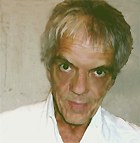
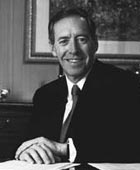
Daan van Golden

2022-09-05T17:16:25+02:00

Daan van Golden was awarded the Dr A.H. Heineken Prize for Art 2004 for his versatile output as an artist and his ability to place art in a new context, time and again.

Biography
Daan van Golden (born in Rotterdam in 1936) lived and worked in Schiedam, the Netherlands. After at-tending technical school, he enrolled at the Rotterdam Academy of Fine Arts and Technical Sciences, where he specialised in painting and took classes in graphic techniques. He also worked as a window dresser for De Bijenkorf, an exclusive chain of department stores. He spent 1963 to 1965 in Japan and has travelled widely since then, with long sojourns in such places as Morocco, India, Indonesia, and North and South America. His travels have found their expression in his work.
There have been two major solo exhibitions of Daan van Golden’s work, one organised by the Boijmans Van Beuningen Museum in 1982 (Daan van Golden – 1963-1982) and the other by the Stedelijk Museum in Amsterdam in 1991 (Daan van Golden – Works 1962-1991). Van Golden was one of the artists featured in the Dutch pavilion at the 1999 Venice Biennial. Solo exhibitions have been organised in Geneva, Dijon, Paris and Göteborg. Van Golden’s work can also be viewed regularly at Galerie Micheline Szwajcer in Antwerp.
Daan van Golden died on 10 January 2017 in Schiedam.

Video

Video interview with Daan van Golden, laureate of the Dr A.H. Heineken Prize for Art 2004

Works of art

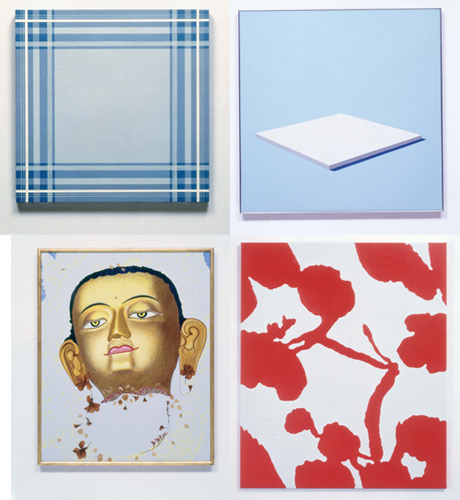
Clockwise: Composition with bleu, White painting, Heerenlux, Buddha

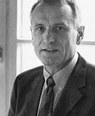
Elizabeth H. Blackburn

2022-09-05T17:19:53+02:00

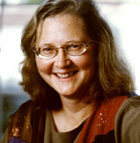
Prof. Elizabeth H. Blackburn was awarded the Dr A.H. Heineken Prize for Medicine 2004 for identifying the structure of chromosome ends (telomeres) and discovering the enzyme telomerase.
Elizabeth Blackburn has been given the sobriquet ‘Queen of the Telomeres’ because virtually everything we know about the form and function of the ends of chromosomes began with her. Before Blackburn, all we knew was that telomeres (from the Greek for ‘end’ and ‘part’) became shorter with each cell division. They are hence regarded as a kind of clock which is in any event partly responsible for the natural ageing process. Since Blackburn proved that telomeres have a unique structure that protects genetic material, however, they have also been compared to the ends of shoelaces: they are a marker that ensures that a chromosome does not ‘unravel’. It was also Elizabeth Blackburn who identified what telomeres are made of: a short, simple DNA sequence repeated over and over again, the sequence being slightly different in each organism.
Blackburn’s research group made the spectacular discovery that, although telomeres become shorter during cell division – to the point that cells are no longer capable of dividing – they in fact also replicate, and do so in a way entirely different from the rest of the chromosomal DNA. Ordinary DNA makes an exact copy of itself using the enzyme DNA polymerase; a telomere, on the other hand, copies an RNA sequence, a process known as reverse transcription. It does so using an enzyme baptised telomerase, which has the effect of lengthening it. Telomerase has been found in some specialised cells and in stem cells. These cells are capable of ‘supplementing’ their telomeres and ‘rejuvenating’ themselves.
But although telomerase has been found to be crucial to normal cell growth, it also plays a role in the uncontrolled, menacing type of cell growth. Eighty to ninety percent of all cancer cells have lengthened telomeres and contain a relatively large quantity of telomerase. Blackburn has even said that cancer cells are ‘addicted to telomerase’, and found that reducing the quantity of telomerase is enough to kill off cancer cells within a few days. Is telomerase the source of eternal youth or is it a murder weapon? Researchers are in any event already working on new cancer medications based on Blackburn’s discoveries.

Further reading
Szostak, J.W., Blackburn, E.H., Cloning yeast telomeres on linear plasmid vectors, Cell 29: 245-55, 1982
Greider, C.W., Blackburn E.H., Identification of a specific telomere terminal transferase activity in Tetrahymena extracts, Cell 43: 405-413, 1985
Yu, G.-L., Bradley, J.D., Attardi, L.D., Blackburn, E.H., In vivo alteration of telomere sequences and senescence caused by mutated Tetrahymenatelomerase RNAs, Nature 344: 126-132, 1990
Blackburn, E.H., Telomere states and cell fates, Nature 408: 53-56, 2000

Biography
Elizabeth H. Blackburn was born in Tasmania, Australia, in 1948. She studied biochemistry at the University of Melbourne and received her Ph.D. in molecular biology from Cambridge in the United Kingdom in 1975. She then moved to the United States, her present home. She became a U.S. citizen in September 2003.
From 1975 to 1977, Blackburn did her post-doctoral work at Yale University, where her research included the DNA structure of the telomeres of the Tetrahymena, a single-cell pond-dweller (and parasite). She continued her career on the West Coast, joining the Department of Molecular Biology at the University of California in San Francisco in 1993. She is currently a professor in the Department of Biochemistry and Biophysics, where she has her laboratory. Blackburn has been the recipient of many awards and marks of honour, including an honorary doctorate from Yale University, the California Scientist of the Year Award (1999) and the General Motors Cancer Research Foundation Alfred P. Sloane Award (2001). In 2009 she won the Nobel Prize in Physiology or Medicine, together with Carol W. Greider and Jack W. Szostak. She has taken on many executive positions (for example as the president of the American Society for Cell Biology) and has an even longer list of lectures, articles and contributions credited to her name.
After accepting President Bush’s invitation to join his Council on Bioethics in 2001, Blackburn regularly took part in the public debate on therapeutic cloning and stem cell research, which she – unlike the Bush administration – advocates. The unexpected news that the White House had not renewed her membership of the Council led to protests in the foreign and American media and to considerable discussion of the role of politics in science.

Video

Video interview with Elizabeth Blackburn, laureate of the Dr A.H. Heineken Prize for Medicine 2004

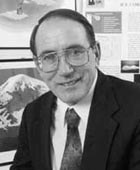
Jacques Le Goff

2022-09-05T17:22:47+02:00

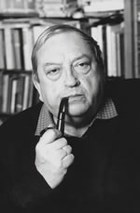
Jacques Le Goff (1924-2014) was awarded the Dr A.H. Heineken Prize for History 2004 for fundamentally changing our view of the Middle Ages.
When Pour un autre Moyen Âge was first published in 1977, medievalist Jacques Le Goff had already done much to change the way we view the Middle Ages. Le Goff, dubbed ‘the Pope of the Middle Ages’ by the press and affectionately known as the ‘gourmand historian’ by his colleagues, is one of the most important representatives and pioneers of the ‘New History’, in which the emphasis in historical research has shifted from political figures and events to the history of mentality and historical anthropology. To put it in simple terms: what was life like for ‘the common man’?
This shift in perspective has led not only to studies on countless new subjects (such as the significance of the visual imagination), but also to new ways of looking at old ones. One of Le Goff’s great insights is that the 11th- to 13th-century Church was a totalitarian institution that successfully gave society meaning and direction by introducing the concept of Purgatory. Knightly discipline and the use of sermons and powerful visual images to disseminate the Church’s message among the masses made it possible for mere mortals to achieve the Christian ideal, provided they followed the Church’s teachings.
Le Goff is a prolific writer who has published works on politics, intellectualism, economics and the human body as well as a number of biographies. In addition to a life of St. Francis of Assisi, he has written a tome about Saint Louis that is more than a biography; it is a minute reconstruction of the mythologising of the French king and the exploitation of that myth. Le Goff has been an astonishingly creative writer for more than four decades, precisely because he connects new insights to established historical tradition.

Key publications
Le Goff, J., La Civilisation de l’Occident médiéval, Arthaud, 1964
Le Goff, J., Pour un autre Moyen Âge, Gallimard, 1977
Le Goff, J., La naissance du Purgatoire, Gallimard, 1982
Le Goff, J., Saint Louis, Gallimard, 1996
Le Goff, J., L’Europe racontée aux jeunes, Seuil, 1996
Le Goff, J., Truong, N., Une histoire du corps au Moyen Âge, Liana Levi, 2003

Biography
Jacques Le Goff was born in Toulon, France, on 1 January 1924. The son of a teacher – his father was a resolute anti-papist and his mother a strict, socially aware Catholic – Le Goff knew at the age of twelve that he wanted to be a medievalist. He joined the French Resistance during the Second World War and travelled to Prague, Oxford and Rome after it ended. In 1950 he was certified as a history teacher and became a teaching assistant in Lille, where he quickly succumbed to an insatiable desire to conduct research. He joined the École des Hautes Études en Sciences Sociales (EHESS) in Paris in the early sixties, serving as the director of studies from 1962 and teaching classes until he turned seventy. During this period, he succeeded his mentor Fernand Braudel both at the EHESS and as the editor-in-chief of the highly influential journal Annales.
Le Goff’s renown extends beyond his particular field of study. His many books are accessible to a broad group of readers and have won several awards, including the Prix Maurice Pérouse from the La Fondation de France (for popularising scholarship), and the Prix Gobert of l’Académie Française for Saint Louis. He is also a member of the Académie Universelle des Cultures, founded by Elie Wiesel, and member of the Comité Scientifique de la Recherche Universitaire. Le Goff, an agnostic and confirmed European, often takes part in topical debates (for example on the conflict between West and East), acts as a consultant (he advised the producers of the film In the Name of the Rose on monastic tonsures and the methods used to heat refectories) and displays his enthusiasm for his discipline on television. He is described as an excellent raconteur and epicurean, and is without doubt the most influential French historian alive today.
Jacques Le Goff died on 1 April 2014 in Paris.

Video

Video interview with Jacques Le Goff, laureate of the Dr A.H. Heineken Prize for History 2004

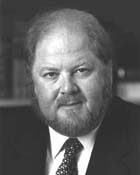
Simon A. Levin

2022-09-05T18:06:05+02:00

Professor Simon A. Levin was awarded the Dr A.H. Heineken Prize for Environmental Sciences 2004 for his insights into the effects of scale on ecosystems.
At the basis of Simon Levin’s work is his use of mathematical techniques and models to understand the properties of ecosystems, i.e. the biological communities that inhabit specific areas, including all associated living and non-living factors. Levin unites theory and empiricism, with ‘scale’ as his leitmotiv.
Natural populations and their internal coherence are influenced in part by time, space and complexity. Something that occurs on one order of scale may have a very different impact on another. Levin seeks concrete answers to such questions as: when does an ecosystem collapse? How resilient is it? What is the value of a single species, and what can the ecosystem do without? What role do evolution and the biosphere play? In other words: what are the dynamics of ecosystems? The answers to these questions are highly important not only for research into biodiversity but also for environmental protection.
Levin has shown that many of the properties of ecosystems vary according to fixed patterns and that we often really only understand phenomena when we know what is going on at different orders of scale. His insights have led to fundamental changes in the discipline of ecology, which until the early nineties had been divided into a number of subdisciplines, each of them myopic in its own way. What Levin did was offer a pair of ‘glasses’: his article ‘The Problem of Pattern and Scale in Ecology’, which appeared in Ecology. It became the most highly cited work in the entire field in the 1990s.

Biography
Born in 1941 in the United States, Simon Asher Levin has conducted research in mathematical biology for more than forty years. He began by studying mathematics and took his Ph.D. in this subject in 1964 from the University of Maryland, College Park. In 1965 he became a researcher at Cornell University (Ithaca, N.Y.), where he quickly joined the Ecology and Mathematics department. Levin was appointed Professor of Applied Mathematics and Ecology in 1977, a post he held until 1992, when he left Cornell for Princeton University (New Jersey). Today he is the George M. Moffett Professor of Biology at Princeton and the director of the Center for Biocomplexity.
Simon Levin is an exceptionally active scientist. A list of his management positions, editorial posts and lectures, the meetings and conferences he has organised or co-organised, and the Ph.D. candidates and post-docs he has supervised runs to dozens of pages. Added to this is his long list of publications (including the 4,800-page Encyclopedia of Biodiversity, of which he is the editor-in-chief). He has been the recipient of many prizes and marks of recognition. For example, in 2000 he was made a member of the American National Academy of Sciences and in 2001 was presented with the Akira Okubo Lifetime Achievement Award.
Levin is said to be a gifted speaker and an excellent teacher, capable of inspiring and motivating researchers and making his insights comprehensible for the general public. He also influences the international research agenda, for example as the chair of the Executive Committee of the International Institute for Applied Systems Analysis (IIASA), an interdisciplinary research institute based in Austria which studies the human dimensions of global change.

Video

Video interview with Simon Levin, laureate of the Dr A.H. Heineken Prize for Environmental Sciences 2004 

Roger Y. Tsien

2020-04-13T15:54:36+02:00

Roger Y. Tsien has been awarded the Dr H.P. Heineken Prize for Biochemistry and Biophysics 2002 for his extraordinary and unique contribution to the development of a series of methods and techniques for measuring and visualising processes within and between cells.
Roger Tsien can attribute his greatest claim to fame in the scientific world to Aequorea victoria, a jellyfish which glows brightly in the dark. It does this this with the help of the ‘green fluorescent protein’ (GFP) molecule, which Tsien has been a leader in improving and exploiting. His laboratory has even managed to create mutants with other colours. Introducing GFP or its variants into a cell makes it possible to follow all kinds of biochemical processes within living cells ‘in real time’: they are literally made visible. Tsien’s molecules can be used to track the transmission of signals between cells, monitor intracellular acidity and follow the movement of sodium and calcium within cells. Measurements in cell organelles are now also possible using GFP. Tsien’s methods are widely used by researchers for other purposes, including searching for the factors involved in the creation of malignant cells. Tsien himself is responsible inter alia for laying bare a molecular mechanism involved in the synaptic adaptive capacity of the brain.

Further reading
The Green Fluorescent Protein. Annual Review of Biochemistry 67 (1998) 507-544. 
Griffin, B.A., Adams S.R. and Tsien R.Y., Specific Covalent labeling of Recombinant Protein Molecules Inside Live Cells. Science 281 (1998), 269. 
Baird G.S., Zacharias D.A. and Tsien R.Y., Biochemistry, mutagenesis, and oligomerization of dsRed, a red fluorescent protein from coral. Proc.Natl.Acad.Sci. 97 (2000) 11984-11989. 
Zacharias D.A., Baird G.S. and Tsien R.Y., Recent advances in technology for measuring and manipulating cell signals. Current Opinion in Neurobiology 10 (2000) 416-421. 
Honda A., Adams S.R., Sawyer C.L., Lev-Ram V., Dostmann W.R.G. and Tsien R.Y., Spatiotemporal dynamics of guanosine 3′,5′-cyclic monophosphate revealed by a genetically encoded, fluorescent indicator. Proc.Natl.Acad.Sci.USA 98 (2001) 2437.

Biography
Roger Y. Tsien was born in New York in 1952. He studied chemistry and physics at Harvard College, graduating summa cum laude in 1972, following which he joined the Physiological Laboratory at Cambridge University in the UK with the aid of a Marshall scholarship. After obtaining his Ph.D. there in 1977, Tsien remained as a researcher in Cambridge until 1981. He then returned to America to take up a post at Berkeley, where he ultimately became a professor in the Physiology & Anatomy faculty. Since 1989 he has been attached to the University of California in San Diego, as Professor of Pharmacology and Professor of Chemistry and Biochemistry, and is also an investigator for the Howard Hughes Medical Institute. Tsien has been receiving prizes for his work since as far back as 1968, including the W. Alden Spencer Award in Neurobiology from Columbia University (1991) and the Pearse Prize from the Royal Microscopical Society (2000). In 2008 he won the Nobel Prize in Chemistry, together with Osamu Shimomura and Martin Chalfie. Since 1998 he has been a member of the National Academy of Sciences of the United States. Tsien died 24 August 2016.

Aernout Mik

2020-05-07T13:27:37+02:00

Aernout Mik was awarded the Dr A.H. Heineken Prize for Art 2002 for his consistent oeuvre of video installations, in which he uses the medium of video in combination with other artistic resources. His working method has had a major influence on the present generation of “video artists” in the Netherlands.
Visual artist Aernout Mik was awarded the prize for his consistent oeuvre of video installations, in which he uses the medium of video in combination with other artistic resources. His working method has had a major influence on the present generation of ‘video artists’ in the Netherlands’.
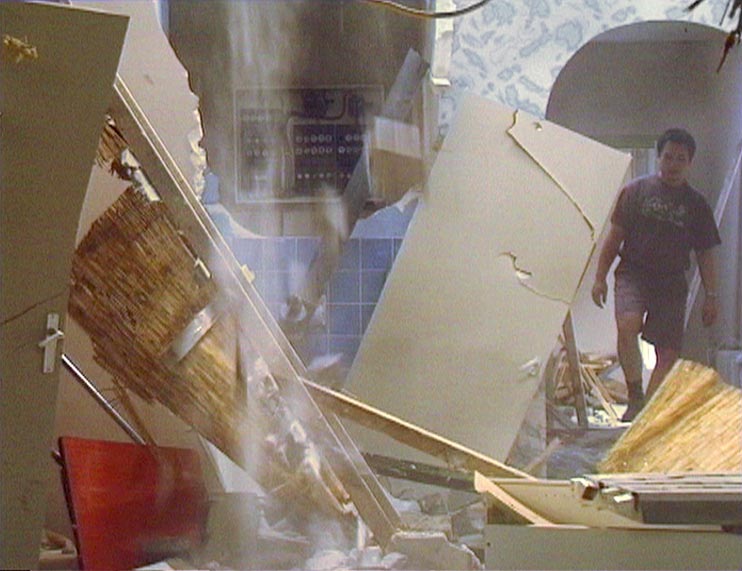
In the video films created by Mik the events that take place between the characters stand on their own, but evoke conflicting emotions of a disquieting or humorous nature. This effect is reinforced by the fact that Mik creates several layers of reality, in which he combines staged action – both live and on video – with sculptural forms embedded in an architectural structure, thus creating a physical link between the viewer and the work. A good example of this was the solo presentation which Mik staged in gallery Fons Welters in Amsterdam in 1999. In an architectural structure consisting of steadily narrowing corridors and low doorways, video films were shown of collapsing buildings and injured people, next to a life-size ‘dummy’ of an anthropoid.

Biography
Aernout Mik was born in Groningen in 1962. He studied at the Academie Minerva in Groningen from 1983 to 1988, and participated in the Ateliers ’63 alternative art school in Haarlem. The artist has since built up an impressive list of exhibitions both in the Netherlands and abroad. He has taken part in a number of important group exhibitions, including in the Stedelijk Museum of Modern Art in Amsterdam (Wild Walls, 1995), the Grazer Kunstverein in Graz (Mise en Scène, 1998) and the National Museum of Modern Art in Kyoto (Still/ Moving, 2000), and was represented at the Biennales in Sao Paolo (1991), Venice (1997) and Melbourne (1999). More recently, he has staged large presentations at the Stedelijk Museum Bureau Amsterdam (Reversal Rooms, 2002), the Institute of Contemporary Arts (ICA) in London (3Crowds, 2000), and the Van Abbemuseum in Eindhoven (Primal gestures, minor roles, 2000), where he presented (virtually) his entire oeuvre in a ‘total installation’. In 1997 Mik received the Sandberg Prize for his videos Lick and Fluff. His work is included in the collections of important Dutch museums, including the Stedelijk Museum of Modern Art in Amsterdam, the Van Abbemuseum in Eindhoven and the Centraal Museum in Utrecht.

Works of art

Middlemen, 2001
Video installation
Digi-beta

Reversal Room, 2001
5-screen video installation (synchronized)
digi-beta

Softer Catwalks in Collapsing Rooms, 1999
video installation mastered on digi-beta from dv-loop
Collection Stedelijk Museum Amsterdam
De Vleeshal, Middelburg

Kitchen, 1997
video installation
mastered on digi-beta from dv-loop
collection Stedelijk Museum, Amsterdam

Mob, 1998
video installation
mastered on digi-beta from dv-loop

Piñata, 1999
2-screen video installation (synchronized)
mastered on digi-beta from dv loops

Organic Escalator, 2000
video installation digi-beta
Collection Stedelijk Van Abbemuseum Eindhoven

Territorium, 1999
2-screen video installation (synchronized)
mastered on digi-beta from dv loops

Lumber, 2000
5-screen video installation (synchronized)
digi-beta

Dennis J. Selkoe

2020-03-28T17:53:36+01:00

Dennis J. Selkoe was awarded the Dr A.H. Heineken Prize for Medicine 2002 for his invaluable contribution to the development of the molecular study of diseases of the brain, in particular Alzheimer’s disease.
When the brains of Alzheimer’s patients are examined, they are found to contain ‘plaques’ consisting largely of amyloid beta proteins. For Dennis Selkoe, this formed the starting point for his research in the late 1970s. By applying methods drawn from biochemistry and molecular biology, he has slowly but surely – and with great patience – managed to unravel the molecular components of the puzzle which is the complex disorder known as Alzheimer’s disease. What happens in the brain cells? Which substances play a role? What comes first, what is a consequence of what? Progress in finding answers to these questions has now reached the stage where the first patients are taking part in a trial with drugs intended to delay or prevent the disease. The social importance of this development is difficult to overestimate.
Selkoe’s work has, however, also led to unexpected insights into the functioning of membrane proteins, which have much wider implications for biology. Our better understanding of the ageing processes in the brain and the onset and progression of Parkinson’s disease is now yielding results.

Further reading
Haass C., Schlossmacher M.G., Hung A.Y., Vigo-Pelfrey C., Mellon A., Ostaszewski B.L., Lieberburg I., Koo E.H., Schenk D., Teplow D.B., Selkoe D.J., Amyloid beta-peptide is produced by cultured cells during normal metabolism. Nature 359 (1992) 322-325.
Yamazaki T., Selkoe D.J., Koo E.H., Trafficking of cell surface ß-amyloid precursor protein: Retrograde and transcytotic transport in cultured neurons. J. Cell Biol. 129 (1995) 431-442. Xia W., Zhang J., Perez R, Koo E.H., Selkoe D.J., Interaction between amyloid precursor protein and presenilins in mammalian cells: Implications for the pathogenesis of Alzheimer’s disease. Pro.Natl. Acad.Sci.USA 94 (1997) 8208-8213.
Wolfe M.S., Xia W., Ostaszewski B.L., Diehl T.S., Selkoe D.J., Two transmembrane aspartates in presenilin-1 required for presenilin endoproteolysis and y-secretase activity. Nature 398 (1999) 513-517.
Bertram L., Blacker D., Mullin K., Keeney D., Jones J., Basu S., Yhu S., McInnis M.G., Go R.C., Vekrellis K., Selkoe D.J., Saunders A.J., Tanzi R.E., Evidence for genetic linkage of Alzheimer’s disease to chromosome 10q. Science 290 (2000) 2302-2303.

Biography
Dennis Selkoe was born in New York in 1943. He obtained his Bachelor’s degree at Colombia University and his Medical Master’s Degree at the University of Virginia School of Medicine in 1969. From 1975 he was attached to Harvard Medical School in Boston, where he became Professor of Neurology in 1990. In 2000 Selkoe was made ‘Vincent and Stella Coates Professor of Neurologic Diseases’, also at Harvard Medical School. He currently works as a neurologist in the Brigham and Women’s Hospital. Selkoe enjoys an international reputation among his professional colleagues as the best researcher in the field of molecular pathogenesis of Alzheimer’s disease. He is a member of several editorial committees of scientific journals dealing with neurological topics, such as the Annual Review of Neuroscience and Neuron. His scientific articles in Nature, Annual Review of Cell Biology, Annual Review of Neuroscience, Cell and Neuron are highly influential. It was therefore no surprise when Selkoe appeared at number 14 in the list of the ‘Best Brains of the Brain Decade’, which was drawn up by Science Watch on the basis of the 200 most-cited articles on neuroscience in the ten years between 1989 and 1998. Selkoe has received a great many distinctions, including an honorary degree from Harvard University, the ‘Mathilde Solowey Award in the Neurosciences’ from the Foundation for Advanced Education in the Sciences (NIH), the Boerhaave medal from the University of Leiden, and the ‘Pioneer Award’ from the Alzheimer’s Association in the United States.

Heinz Schilling

2020-04-30T15:15:48+02:00

Heinz Schilling was awarded the Dr A.H. Heineken Prize for History 2002 for his outstanding interdisciplinary research into the history of early modern Europe, in which he reveals the interrelationship between confessionalisation and national identity formation.
The relationship between Church and State; the role of migrants; education; the imposition of norms and values; comparison of developments across Europe: most of the research themes studied by Heinz Schilling could have come straight from the leader columns of today’s newspapers. The difference is that in Schilling’s case it is the relationship between all these themes in the past which is important, and thus the historical origins of key elements of the world in which we now live. Schilling is concerned above all with European history in the time of the Reformation and the Counter-Reformation, and his work has brought us a more coherent picture of this period. For many years historians studying early modern Europe (1550-1650), either studied the processes of state formation or religious developments. Schilling, by contrast, studies religious, social and political factors in relation to each other. He has pointed out that both the newly formed Protestant and the Catholic states began working closely with what was generally the only official Church within their region. Schilling makes clear that there is much greater unity in European history than was previously assumed, and he raises that history above the boundaries between countries and religions.

Further reading
Niederländische Exulanten im 16. Jahrhundert. Ihre Stellung im Sozialgefüge und im religiösen Leben deutscher und englischer Städte, Gütersloh 1972.
Konfessionskonflikt und Staatsbildung. Eine Fallstudie über das Verhältnis von religiösem und sozialem Wandel in der Frühzeit am Beispiel der Grafschaft Lippe, Gütersloh (Gütersloher Verlagshaus) 1981.
Religion, Political Culture, and the Emergence of Early Modern Society. Essays in German and Dutch History, Leiden 1992.
Confessional Europe: Bureaucrats, La Bonne Police, Civilizations, in: Handbook of European History 1400-1600. Late Middle Ages, Renaissance and Reformation, hg. von Th. A. Brady, H.A. Oberman und J.D. Tracy, Bd. II, Leiden 1995, S. 641-681.
Die neue Zeit. Vom Christenheitseuropa zum Europa der Staaten. 1250 bis 1750, Berlin (Siedler) 1999, Siedler Geschichte Europas, Bd. 3.

Biography
Professor Heinz Schilling was born in 1942 in Bergneustadt, Germany. In 1963 he embarked on a study of history, German studies, philosophy and sociology at the universities of Cologne and Freiburg. His dissertation (1971) deals with Dutch emigrants in the 16th century. The topic of his Habilitation (a postdoctoral dissertation which is a requirement for those wishing to become a professor at a university in Germany) was the relationship between religious conflicts and state formation. From 1980 he was attached successively to the universities of Osnabrück and Giessen, and since 1992 Heinz Schilling has been a professor in the Department of History at Humboldt University in Berlin. He has also been a guest lecturer at the universities of Wisconsin, Madison and Berkeley. Not only is Schilling himself an extremely productive researcher, but his work has also provided a baseline for comparative research by others.
Professor Schilling also actively seeks to make his subject accessible to a wider public, and makes regular contributions to radio and television broadcasts, newspapers and exhibitions. He is also a member of various societies and editor of several journals and series.

Lonnie G. Thompson

2020-03-28T17:55:02+01:00

Lonnie G. Thompson was awarded the Dr A.H. Heineken Prize for Environmental Sciences 2002 for his pioneering work in research into ice cores in the polar regions and the tropics.
Lonnie Thompson is convinced that ice forms the best archive of the earth’s climate. And that frozen history is located not only at the North and South Poles, but also in the tropics – for example at the peaks of Mt. Kilimanjaro, where the ice caps are in fact melting rapidly. Thompson was one of the first to realise that global warming poses a threat to a number of the world’s ice archives. Partly because of this, gathering data is high on his list of priorities. He has often moved heaven and earth to gain permission to work with his drilling team in a particular location. Under the most extreme conditions, at altitudes where even mountaineers can barely survive, he has succeeded in collecting ice cores. His ice samples come from all over the world: from Bolivia, Peru, China and a host of other locations. The freezers in his laboratory, where Thompson analyses the ice, are now full to overflowing. The information on the climate and the atmosphere which is stored in the ice can go back 700,000 years. The ice contains a clear record of phenomena such as El Niño and the Asian Monsoon, for example; in a somewhat similar way to tree rings, except that the ice history goes much further back in time and contains much more information. Thompson’s research provides an insight into natural climate change, ultimately making it possible to assess the effects of human beings on the earth’s climate, something which has been a source of heated debate among researchers for many years.

Further reading
Thompson, L.G. and Mosley-Thompson E., Microparticle concentration variations linked with climatic change: evidence from polar ice cores. Science212 (1981) 812-815.
Thompson, L.G., Davis M., Mosley-Thompson E., Liu K., Pre-Incan agricultural activity recorded in dust layers in two tropical ice cores. Nature 336 (1988) 763-765.
Thompson, L.G., Yao T., Davis M.E., Henderson K.A., Mosley-Thompson E., Lin P.N., Beer J., Synal H.A., Cole-Dai J., Bolzan J.F., Tropical Climate Instability: The Last Glacial Cycle from a Qinghai-Tibetan Ice Core. Science 276 (1997) 1821-1827.
Thompson, L.G., Davis M.E., Mosley-Thompson E., Sowers T.A., Henderson K.A., Zagorodnov V.S., Lin P.N., Mikhalenko V.N., Campen R.K., Bolzan J.F., Francou B., Cole-Dai J., A 25,000 Year Tropical Climate History from Bolivian Ice Cores. Science 282 (1998) 1858-1864.
Thompson, L.G., Yao T., Thompson E.M., Davis M.E., Henderson K.A., Lin P.N., A high-resolution millennial record of the South Asian monsoon from Himalayan ice cores. Science 289 (2000) 1916-1919.

Biography
Lonnie Thompson was born in 1948 in Huntington, West Virginia and graduated in geology in 1973 from Ohio State University, to which he has remained attached since then. He obtained his doctorate there in 1976 (based on research into micro-particles in ice and the climate), and in 1994 he became a professor in the Department of Geological Sciences. Thompson is also closely involved in the research of the Byrd Polar Research Center at his university. He is very productive, and the results of his research regularly appear in the journals Nature and Science. Thompson also sits on a number of advisory bodies in the field of the climate; he is a member of the editorial team of several journals, a member of a number of international partnerships, and leads one or more research expeditions every year. In 2001 Time Magazine and CNN added his name to the list of ‘America’s Best in Science and Medicine’. Thompson also works hard to ensure that the findings of his research are brought to the attention of politicians and the public at large.


James E. Rothman

2020-05-03T18:29:46+02:00

James E. Rothman was awarded the Dr H.P. Heineken Prize for Biochemistry and Biophysics 2000 for clarifying the mechanism of intracellular membrane fusion.
He made the historic discovery that the cell contains very small membrane-enveloped vesicles that carry a large variety of proteins between different compartments in the cytoplasm. This delivery process, which involves vesicle flow and membrane fusion, is vital for the growth and division of every cell. How this process comes about was a great mystery, and one of the great unsolved questions of biochemistry and cell biology. James Rothman discovered the molecular principles of intracellular membrane fusion and demonstrated that the specificity of fusion was dictated by the pairing of SNARE proteins between membranes. This historic discovery provided a single unified principle for understanding important physiological processes, including the release of insulin into the blood, communication between nerve cells in the brain and the entry of viruses like HIV (the AIDS virus) to infect cells. Defects in the control of these pathways are important in diabetes and most likely also in certain cancers. Currently a major effort is under way to develop a new generation of drugs to control AIDS by blocking the membrane fusion process.

Further reading
Thomas H. Söllner, Sidney W. Whiteheart, Michael Brunner, Hedlye Erdjument-Bromage, Scott Geromanos, Paul Tempst & James E. Rothman: ‘SNAP receptors implicated in vesicle targeting and fusion’, Nature 362, 318 (1993);
Walter Nickel, Thomas Weber, James A. McNew, Francesco Parlati, Thomas H. Söllner & James E. Rothman: ‘Content mixing and membrane integrity during membrane fusion driven by pairing of isolated v-SNAREs and t-SNAREs’, PNAS, 96, (22), 12571 (1999);
B. Brugger, W. Nickel, T. Weber, F. Parlati, J.A. McNew, J.E. Rothman, T. H. Söllner: ‘Putative fusogenic activity of NSE is restricted to a lipid mixture whose coalescence is also triggered by other factors’, EMBO Journal, 19 (6), 1272 (2000).

Biography
James Rothman was born in Haverhill, Massachusetts, USA, in 1950 and is an American citizen. He has a Ph.D. in Biological Chemistry (Harvard Medical School), and has worked at the Sloan-Kettering Institute in New York since 1991. In that same year he was appointed Chairman of the Programme in Cellular Biochemistry and Biophysics at the Memorial Sloan-Kettering Cancer Center, where he holds the Paul A. Marks Chair. Dr Rothman has also been vice-chairman of the Sloan Kettering Institute since 1994. Amongst his other honours, Dr Rothman has received the Gairdner Foundation International Award (1996), the King Faisal International Prize in Science (1996) and the Lounsbery Award of the National Academy of Sciences (1997). In 2013 he won the Nobel Prize in Physiology or Medicine (together with Randy W. Schekman and Thomas C. Südhof).

Video

Video interview with James Rothman, laureate of the Dr H.P. Heineken Prize for Biochemistry and Biophysics 2000 

Go to Top