Portfolio

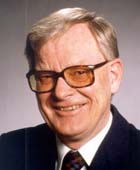
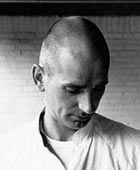
Guido Geelen

2020-04-30T15:17:23+02:00

Guido Geelen was awarded the Dr A.H. Heineken Prize for Art 2000 for the unorthodox and innovative way in which he uses the traditional material of clay.
Geelen, who prefers to be called a creator of sculptures, creates images in which ceramics form an important element. These images are often constructed from ceramic reproductions of a wide variety of everyday objects. Guido Geelen has, for example, created a ceramic sculpture composed of dogs, car tyres, vacuum cleaners, televisions and computers, all made of red clay compacted together. By organising these items in a particular way and then stacking them on top of one another, Guido Geelen has created a ceramic wall which fascinates viewers despite – or perhaps because of – its seemingly morbid character. The Netherlands has a rich tradition in ceramic art, ranging from the centuries-old Delftware industry to the innovative Dutch pottery from around 1900 (when independent potters first began to flourish) and right up to the revolutionary ceramic work being produced in our own day. This partially motivated the award of the prize to Guido Geelen for his entire oeuvre.

Biography
Guido Geelen was born in Thorn, the Netherlands, in 1961. He attended the Institute for Draughtsmanship, Craftsmanship and Textiles (TEHATEX) in Tilburg and went on to study at the Academy of Fine Arts for two years. Guido Geelen was awarded the incentive prize for applied art by the Amsterdam Fund for the Arts in 1988, the Charlotte Köhler Prize for Sculpture in 1989, and the incentive prize for fine art by the Amsterdam Fund for the Arts in 1990. Guido Geelen’s work can be viewed at the Stedelijk Museum of Modern Art in Amsterdam, the PTT Art and Design Collection in The Hague, the Kruithuis Museum for Contemporary Art in ‘s-Hertogenbosch, the Noord Brabant Museum in ‘s-Hertogenbosch, the Kröller-Müller Museum in Otterlo, the Boijmans van Beuningen Museum in Rotterdam and the De Pont Museum in Tilburg.
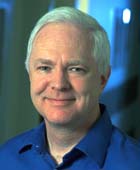
Eric R. Kandel

2020-12-29T14:15:33+01:00

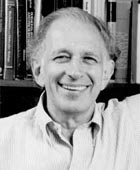
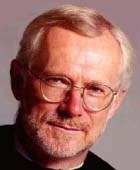
Eric R. Kandel was awarded the Dr A.H. Heineken Prize for Medicine 2000 for his pioneering research on the molecular mechanisms underlying learning processes and memory.
Using the marine snail Aplysia californica as a model, Eric Kandel and colleagues have managed to bridge the enormous gap between the physiology of behaviour and classical psychology. The simple structure of the nervous system in this primitive invertebrate is especially well suited to investigating learning and memory formation at the cellular and molecular level. In an impressive series of neurophysiological experiments, now used as standard examples in most neuroscientific textbooks, the group led by Eric Kandel has explained the fundamental neuronal mechanisms underlying learning processes at the cellular level. This work and recent studies by Kandel and colleagues involving genetically modified mice have led to the discovery of neuronal mechanisms responsible for non-associative and associative learning processes (for example classical conditioning) and for the development and functioning of short- and long-term memory in lower and higher animal species. His discoveries open up entirely new ways of understanding human memory and its disorders.

Further reading
Goelet, P., Castellucci, V., Schacher, S. en Kandel, E.R. (1986) The long and short of long-term memory. Nature 322, 419-422;
Bartsch, D., Ghirardi, M., Skehel, P.A., Karl, K.A., Herder, S.P., Chen M., Bailey, C.H. en Kandel, E.R. (1995) Aplysia CREB2 represses long-term facilitation: Relief of repression converts transient facilitation into long-term functional and structural change. Cell 83, 979- 992;
Mayford, M., Bach, M.E., Huang, Y.-Y., Wang, L., Hawkins, R.D. en Kandel, E.R. (1996) Control of memory formation through regulated expression of a CaMKII transgene. Science 274,1678-1683;
Tsien, J.Z., Chen, D.F., Gerber, D., Tom, C., Mercer, E.H., Anderson, D.J., Mayford, M., Kandel, E.R. en Tonegawa, S. (1996) Subregion- and cell type-restricted gene knockout in mouse brain. Cell 87, 1317-1326.

Biography
Eric Richard Kandel was born in Vienna, Austria, in 1929 and received his medical degree from New York University School of Medicine in 1956. He is a University Professor of Physiology and Psychiatry at the Center for Neurobiology and Behavior, Columbia University College of Physicians and Surgeons. He is also a Senior Investigator at the Howard Hughes Medical Institute. Prof. Kandel has received an impressive list of honorary degrees, awards and other marks of distinction in the course of his long career, including the Nobel Prize in Physiology or Medicine 2000 (together with Arvid Carlsson and Paul Greengard).

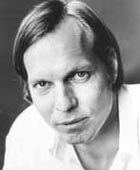
Jan de Vries

2020-05-03T18:36:48+02:00

Jan de Vries was awarded the Dr A.H. Heineken Prize for History 2000 for his pioneering research into the development of the European economy between 1500 and 1800.
He conducted pioneering research into the early modern history of the European economy, specifically in the Dutch Republic (the Northern Netherlands). Professor De Vries has used economic theories and concepts to organise a huge quantity of wide-ranging historical data in a most original and transparent manner, allowing him to reveal astonishing viewpoints and patterns. He has succeeded in tracing the origins of the modern market economy and has shown the transition from the early modern economy to industrial society. He has gone further than any other historian thus far in analysing the role that urbanisation played during this period. Professor De Vries’s studies have focused mainly on the way in which different economic parties (households, farmers, artists, municipal authorities or groups of labourers) responded to market trade and, in turn, contributed to its development and expansion. He has succeeded in showing the links between macro-economic developments and history at local level, so that his work often has a very practical grounding. For example, he has analysed the role of the barge in the modernisation of Holland, and showed how the flourishing art market depended on economic variables. His work not only makes a highly significant contribution to the study of economic and demographic history, but also provides signposts for art historical research.

Further reading
The Dutch Rural Economy in the Golden Age, 1500-1700. New Haven, Yale University Press, 1974;
The Economy of Europe in an Age of Crisis, 1600-1750. Cambridge University Press, 1976;
Barges and Capitalism: Passenger Transportation in the Dutch Economy, 1632-1839. Wageningen: AAG-Bijdragen, 1978; 2e uitg. Utrecht: Hes Publishers, 1981;
European Urbanization, 1500-1800. Cambridge Mass., Harvard University Press, 1984;
Jan de Vries en Ad van der Woude, Nederland 1500-1815: De eerste ronde van moderne economische groei. Amsterdam, Balans, 1995;
David Freedberg en Jan de Vries (ed.), Art in History, History in Art: Studies in Seventeenth-century Dutch Culture. Chicago, Chicago University Press, 1991.

Biography
Jan de Vries was born in the Netherlands in 1943. He moved to the United States as a boy and is an American citizen. He obtained his Ph.D. in 1970 (Yale University). Since 1977 he has been Professor of History and, since 1982, Professor of History and Economics at the University of California, Berkeley, USA. Professor de Vries and Ad van der Woude co-authored the standard work The First Modern Economy. Success, Failure and Perseverance of the Dutch Economy from 1500 to 1815, which was awarded the Gyorgy Ranki Prize for ‘the best book on the economic history of Europe’. Professor De Vries was made a foreign member of the Royal Netherlands Academy of Arts and Sciences in 1989. He is also a member of the British Academy, the Society for Dutch Literature (Maatschappij der Nederlandse Letterkunde), and various international scholarly organisations. From 1991 to 1993 he held the post of president of the Economic History Association, and he is an editor of the Journal of Economic History.

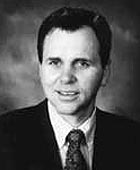
Poul Harremoës

2020-05-03T18:38:53+02:00

Poul Harremoës was awarded the Dr A.H. Heineken Prize for Environmental Sciences 2000 for his contributions to the theory of biofilm kinetics in relation to biological waste water treatment and for his successful organisation of the international scientific community in water pollution research and control.
Poul Harremoës belongs to the pioneers who tried to track down pollution with radioactive tracers. As head of the Department of Environmental Science and Engineering at the Technical University of Denmark, he has contributed to making this department one of the biggest and broadest university departments world-wide and an acknowledged world leader in the field. Dominant fields of research have been oxygen depletion in rivers, nitrification-denitrification and biofilm kinetics applied to waste water treatment. Professor Harremoës organises scientific co-operation in water pollution research and control on an international scale in the International Association for Water Pollution Research and Control, IAWPRC (now International Water Association, IWA).

About the laureate
Poul Harremoës was born in Denmark in 1934. He graduated from the Technical University of Denmark in 1957 and from the Massachusetts Institute of Technology in 1959. He became a full professor at the Technical University of Denmark in 1972 and the head of the Department of Environmental Engineering. Professor Harremoës has lectured all over the world. He received the Stockholm Water Prize on behalf of the Department in 1992. Professor Harremoës has initiated and organised numerous international conferences and has been a member of the scientific committees for many such conferences. He joined the Scientific Committee of the European Environmental Agency in 1994.
Poul Harremoës died 26 November 2003.

Anthony J. Pawson

2020-03-28T18:37:45+01:00

Anthony Pawson was awarded the Dr H.P. Heineken Prize for Biochemistry and Biophysics 1998 for his discovery of the ‘SH2 domain’ in proteins involved in signal transduction in living cells, which has shed invaluable light on intercellular communication.
His work has yielded a better insight in the way in which cells communicate with neighbouring cells. It appears that there is a connection between interference in the transduction of external signals into a cell and diseases such as cancer, diabetes and cardiovascular diseases. Pawson’s discovery has changed our concept of signal transduction so fundamentally that it has opened up new areas for the development of medicines for these diseases.
Pawson’s work has provided a new perspective of the way in which signals move from outside a cell to its nucleus. This process involves proteins that recognise each other by certain protein domains, such as the SH2 Domain, and then bind themselves to each other. This mutual binding is disrupted if structural changes take place within the proteins, which in turn may result in the development of a tumor. The discovery has created new ways of addressing this chain of events.

Biography
Anthony J. Pawson (1952 – 2013) was Head of the Department of Molecular Biology and Cancer Research of the Samuel Lunenfeld Research Institute, Toronto, Canada. For a scientist of his age, Dr Pawson has published an extraordinarily large number of articles in prestigious international journals. His influence is therefore considerable. Not only in the fields of biochemistry, biophysics and genetics, through which research in the field of intercellular communication has made great strides, but also in the world of medical science there is tremendous interest in the theories that are being developed on the basis of Dr Pawson’s revolutionary concept.
Dr Pawson’s more recent work has demonstrated the significance of proteins with SH2 domains for the development of mammal cells. In addition, by combining genetic experiments with flies, worms and mice, he has sought to clarify the molecular mechanisms that underlie signal transduction through conduction by way of axons in the central nervous system. Dr Pawson’s research therefore remains highly innovative, which promises further insights.

Jan van de Pavert

2020-03-28T18:39:44+01:00

Artist Jan van de Pavert was awarded the Dr A.H. Heineken Prize for Art 1998 for his work Villa Naispier, an imaginary villa in the form of an elaborate drawing.
It incorporates every form of artistic expression. Drawings, frescos, sculptures, scale models and computer animations represent the rooms, patios and gardens. The artist’s evident fascination with the project makes it all the more interesting to visitors. Van de Pavert uses his considerable talent as a sculptor to give a very personal, original shape to his ideas. For an artist of his age his stature is exceptional, not only in the Netherlands.
Jan van de Pavert’s art is recognisable and personal. In the course of the past fourteen years he has developed into a multifaceted, outspoken personality, and has moved successively from painting to sculpture to computer art to watercolours.
As evidenced by his work, Van de Pavert is keenly interested in architecture and art history. For the Villa Naispier he drew an elaborate plan with a text in the form of a numbered guide, like those for castles and palaces. Unlike other guides, however, the spaces described are all imaginary. Besides describing the historical styles and other architectural references, it tells a story about a person – likewise fictional – who supposedly purchased the land with the original buildings in order to combine and expand them, the result being a hybrid villa.
Fantasies based on the past are also found in Van de Pavert’s recent drawings and paintings. The images recall the realism of the 1920s and the historical idealism of the early 20th century. In this work Van de Pavert’s subject corresponds to that of his ‘architecture’: the ideal of an environment designed by artists; a belief he shares with other members of the avant-garde of this period. Inspired by this ideal, Van de Pavert’s work is decidedly optimistic.

Biography
Since 1984 Jan van de Pavert has participated in over seventy solo and group exhibitions at home and abroad. He took part in the prestigious Sonsbeek 1993and in 1994 the Central Museum in Utrecht devoted a large exhibition to him. His work has been purchased by various institutions, including the Rijksmuseum Kröller-Müller in Otterlo, de Rijksdienst Beeldende Kunst, The Centraal Museum Utrecht, the Van Abbemuseum Eindhoven and the Ferens Art Gallery in Kingston-upon-Hull.

Barry J. Marshall

2020-04-17T08:29:34+02:00

Barry J. Marshall has been awarded the Dr A.H. Heineken Prize for Medicine 1998 for his pioneering research on ulcers.
Despite the established scientific view that ulcers are brought on by stress, Marshall found that Heliobacter pylori are the real cause. He discovered the role of the bacteria not by means of costly research, but through simple observation. He also found that ulcers can be cured with an antibiotic, and went so far as to verify his theory by taking a gulp of the bacteria and monitoring his own illness and recovery.
In the late 1970s Robin Warren, a pathologist at the Royal Perth Hospital in Australia, recognised spiral-shaped micro-organisms in gastric antrum biopsies. Barry Marshall, then a resident in internal medicine, was invited to conduct a six months of clinical research with Warren. Marshall was quick to recognise the potential significance of these gastric bacteria. Marshall went to great lengths to demonstrate that Heliobacter pylori is indeed the etiologic agent for peptic ulcers.
Although Marshall’s work was initially greeted with scepticism, his persistence was eventually rewarded, and today nearly all patients with peptic ulcers are successfully treated with a combination of antibiotics and inhibitors of acid secretion. Nowadays stomach surgery is the exception rather than the rule. Marshall’s breakthrough in the treatment of ulcers has meant that patients no longer have to undergo protracted treatment with no guarantee that their ulcers will not return. It has also reduced the risk of stomach cancer, to say nothing of the psychological burden of an ulcer and its impact on a patient’s social life. Marshall has proved to be an outstanding patient-oriented scientist, who required no extensive or expensive technological infrastructure to achieve a major breakthrough in clinical medicine.

Biography
Barry Marshall was born in 1951 and is professor of internal medicine at the University of Virginia in Charlottesville, North Carolina, USA. In the years following his role in the discovery of Heliobacter pylori, Marshal contributed extensively to the study of the epidemiology of Heliobacter pylori infections and disease associations. His work has opened new horizons in our thinking about the pathogenesis of cancer and the role in it that bacterial infections play. Marshall also made great strides in diagnosing Heliobacter pylori infections via serological or breath tests as a form of non-invasive diagnosis, eliminating the need for endoscopy and biopsy. Promising methods of screening asymptomatic persons for Heliobacter pylori in order to detect and prevent a gastric cancer risk are currently under development.
In 2005 Marshall won the Nobel Prize in Physiology or Medicine, together with J. Robin Warren.

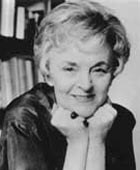
Mona Ozouf

2020-03-28T18:44:41+01:00

Dr Mona Ozouf has been awarded the Dr A.H. Heineken Prize for History 1998 in recognition of her innovative approach to the French Revolution.
Unlike many others in the field, Dr Ozouf has taken neither a political nor a biographical approach to the French Revolution, thus avoiding the pitfalls of the subject. From a cultural-historical and anthropological angle, she has presented the Revolution as a popular event. Dr Ozouf studied the mentality of the French bourgeoisie during the Revolution, and the use of festivals and other cultural manifestations as a means to a revolutionary end. Festivals appear to have contributed significantly to the change in values and the nation’s unification. Her pioneering book on the festivals of the French Revolution has changed our perspective on the period and has suggested new avenues for historical research. While maintaining intellectual integrity and refraining from politicising, she has presented a compelling new image of the French Revolution that had so far remained hidden.
Mona Ozouf holds a special place among the historians of our period, both as an eminent specialist on the interaction between culture and politics since the Age of the Revolutions, and as an author with a extraordinary ability to convey a comprehensive vision of modern history to a broad public. Dr Ozouf has an unparalleled grasp of the subtle interplay between unity and variety – the interplay between nation and region, between the realism of politics and the utopia of celebration, between the unitary Citizen’s Republic and the perception of individual differences, between egalitarian democracy and the need for a dream, and between Europe and the singularity of France.

Biography
Mona Ozouf is a historian who has specialised in the French Revolution. She is Emeritus Research Director at the Centre National de la Recherche Scientifique in Paris, France.

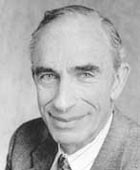
Paul R. Ehrlich

2020-03-28T18:46:47+01:00

Paul R. Ehrlich has been awarded the Dr A.H. Heineken Prize for Environmental Sciences 1998 in recognition of contributing to scientific knowledge of environmental problems, and for raising public awareness of them.
Together with his wife Anne Ehrlich, Professor Ehrlich has been writing about environmental threats, including the explosive growth of world population, for thirty years. His publications have been a significant source of inspiration to the Club of Rome. The essence of his argument has always been that population growth and man’s exploitation of natural resources form a serious threat to the environment. Ehrlich has propagated his ideas consistently and scientifically. It is his combination of the roles of scientist and activist that makes him unique. Many are concerned with the environment, but few can speak with such scientific authority. The essence of Ehrlich’s thesis is that population growth and man’s husbandry over the earth’s resources form a serious threat to the economic options that the environment offers mankind, to the vital ecosystem services (such as atmospheric integrity, soil quality and biodiversity) and to the aesthetic values. Ehrlich has dealt with virtually every sort of ecological crisis, from declining biodiversity to habitat destruction, deforestation, nuclear waste, the hole in the ozone layer and the greenhouse effect. But Ehrlich is not content to analyse issues or publicise problems. He also suggests concrete solutions, bearing in mind the social, political and economic obstacles. Furthermore he has always been prepared to revise his projections and predictions in light of new facts and interpretations, especially when it comes to the relationship between population growth and agricultural production. Paul Ehrlich is an outstanding ecologist and visionary scientist. Thanks to his ability to communicate his scientific insights to the causes and consequences of the environmental crisis, he has raised the level of the scientific and social debate on man’s relationship with the planet.

Biography
Professor Paul R. Ehrlich (1932) has had considerable influence on the development of environmental sciences. Ehrlich started out as a fundamental biologist, specialising in population biology and the relationship between plants and animals. In that field, as well, he can boast a sizeable oeuvre. Indeed his scientific background accounts for much of his credibility. He has promulgated his ideas through an impressive series of scientific publications, lectures and articles in journals, newspapers and other periodicals. Ehrlich was internationally acclaimed for his book The Population Bomb in 1968. The compelling manner in which he addressed explosive population growth and its consequences did a great deal to increase awareness of environmental issues in the 1970s. Population, Resources, Environment: Issues in Human Ecology, which he and his wife Anne Ehrlich published in 1970, is of no less significance.

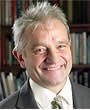
Sir Paul M. Nurse

2020-04-13T15:45:05+02:00

Paul M. Nurse was awarded the Dr H.P. Heineken Prize for Biochemistry and Biophysics 1996 for his exceptional scientific research, which forms the basis of our current knowledge on the regulation of the division of eukaryotic cells and the molecular components and mechanisms involved.
For a researcher of his age, Dr Nurse can boast an exceptionally large number of publications in prominent international scientific journals. Consequently, he has had considerable influence on other scientists, and not only in the field of the cell division cycle, where research has expanded enormously and great progress has been made in fathoming the cell division mechanism. The results of his research have also provided the pieces so that in other fields, such as oncology and DNA repair, various components could be fitted together to complete the puzzle. This has resulted in considerable insight into the transformation of healthy cells into harmful cells.
Pioneer research in the seventies into the simple eukaryotic yeast cell, Schizosaccharomyces Pombe (S. Pombe), led to the discovery of the so‑called cdc2‑gene whose protein production plays an important part in the G1 and G2/M stages of cell division. In subsequent years, Dr Nurse discovered large numbers of genes and proteins/enzymes which carry out a regulatory function during the various stages of cell division.
Dr Nurse is to be strongly commended for his application of the results of this relatively isolated research into S. Pombe to higher mammals and, subsequently, to humans. By means of excellent recombinant DNA research, Dr. Nurse demonstrated the irrefutable existence of a human variant of cdc2, and that the cell division cycle of all things from yeast to humans, as well as the necessary proteins and genes, show great similarities. In the late eighties, the human variant, cdkl, was isolated.

Biography
Paul Maxime Nurse was born in the United Kingdom in 1949 and obtained the B.Sc. degree from the University of Birmingham in Biological Sciences. In 1973 he received the Ph.D. degree from the University of East Anglia in Cell Biology/Biochemistry. He was Director of Laboratory Research at the Imperial Cancer Research Fund (ICRF) in London. Since 2003 he is president of The Rockefeller University in New York, USA. Dr Nurse is a fellow of the Royal Society, a member of Academia Europaea and a foreign associate of the US National Academy of Sciences. He has won many prizes and awards for his scientific work and has given numerous award lectures. In 2001 he won the Nobel Prize in Medicine, together with Leland H. Hartwell and Tim Hunt.

Go to Top