Portfolio

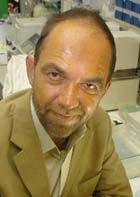
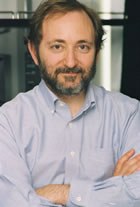
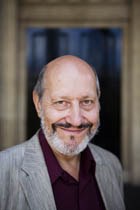
Jonathan I. Israel

2022-08-19T00:38:11+02:00

Jonathan I. Israel was awarded the Dr A.H. Heineken Prize for History 2008 for his vitally new perspective on the history of the Enlightenment.
Some scholars believe the Enlightenment began with eighteenth-century French philosophers such as Voltaire and Rousseau, whereas others trace its origins to England and to Newton and Locke. But these theories have been altered by the work of British historian Jonathan Israel, who emphasises the significance of what went before: the early, radical phase of the Enlightenment, dominated by the ideas of the philosopher Spinoza (1632-1677).
In Israel’s view, Spinoza played a key role in the emancipation movement on which our modern, secular, democratic and tolerant society is based. His philosophy led directly to the French Revolution’s notions of freedom, equality and brotherhood. The Enlightenment was a single, pan-European movement, according to Israel. It is ideas that make the difference in history, he believes. Not everyone agrees with Israel, but his themes are of special relevance to many contemporary discussions.
Israel had already caused quite a stir outside his discipline with his writings on the Dutch Republic.

Examples of key publications
Jonathan Israel, European Jewry in the Age of Mercantilism, 1550-1750, Oxford, 1985
Jonathan Israel, Dutch primacy in world trade, 1585-1740, Oxford, 1989
Jonathan Israel, The Dutch Republic: Its Rise, Greatness, and Fall, 1477-1806, Oxford, 1995
Jonathan Israel, Conflicts of Empires: Spain, the Low Countries and the Struggle for World Supremacy, 1585-1713, London, 1997
Jonathan Israel, Radical Enlightenment: Philosophy and the Making of Modernity, 1650-1750, Oxford, 2001.

Biography
Jonathan Israel (London, 1946) studied history at Cambridge University and took his PhD at Oxford. He concentrated on the early modern history of Europe, initially at the University of Hull and then at University College London, where he became the first non-Dutch professor of Dutch history. He became a professor at Princeton in 2001.
Israel is extraordinarily productive and has written authoritative books about such wide-ranging topics as Jewry in early modern European history, colonial politics in Mexico, and world trade in the age of mercantilism. He is also a keen debater of contemporary issues. He knows eight European languages, including contemporary and seventeenth-century Dutch.
In 2007 Israel was granted a Fellowship by the Royal Library of the Netherlands and gave the Royal Library Lecture, Failed Enlightenment. Spinoza’s Legacy and the Netherlands (1670-1800), which can be heard on the Royal Library website.
Israel is a Fellow of the British Academy and a Foreign Member of the Royal Netherlands Academy of Arts and Sciences. He was granted an honorary professorship at Amsterdam University in 2003 and, one year later, was made a Companion of the Order of the Dutch Lion, an honour seldom conferred on foreigners.

Video

Video interview with Jonathan Israel, laureate of the Dr A.H. Heineken Prize for History 2008
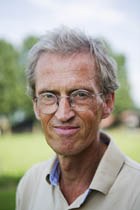
Bert Brunekreef

2022-08-19T00:44:50+02:00

Bert Brunekreef was awarded the Dr A.H. Heineken Prize for Environmental Sciences 2008 for his environmental epidemiological research into air pollution and health.
Environmental epidemiologist Bert Brunekreef began to question the health effects of home insulation during the oil crisis, when many home owners insulated their homes in an effort to reduce their energy bill. He demonstrated that children living in a damp home with mildew are much more likely to develop asthma. He also showed a close association between dust mite allergies and the quality of the air in the home. Brunekreef continues to track a group of people as part of his world-renowned PIAMA project (Prevention and Incidence of Asthma and Mite Allergy).
But Brunekreef is also a major influence when it comes to the outdoor environment. His name will forever be associated with the health standards for fine particle pollution. His studies led to the first Air Quality Standard in the United States. The European guidelines for fine particle pollution, which were incorporated into law in 2005, are based directly on his research.
Brunekreef was also the first to calculate the impact of living close to a busy motorway on child mortality and sickness.

Examples of key publications
Brunekreef, B., Dockery, D.W., Speizer, F.E., Ware, J.H., Spengler, J.D. & Ferris, B.G. Home dampness and respiratory morbidity in children. In: Am Rev Respir Dis 1989; 140: 1363-1367
Brunekreef, B., Janssen, N.A., Hartog, J. de, Harssema, H., Knape, M,. & Vliet, P. van (1997). Air pollution from truck traffic and lung function in children living near motorways. In: Epidemiology 1997; 8:298-303
Hoek, G., Brunekreef, B., Goldbohm, S., Fischer, P.& Brandt, P.A. van den. (2002). Association between mortality and indicators of traffic-related air pollution in the Netherlands: a cohort study. In: The Lancet 2002; 3601203-1209
Brauer, M., Hoek, G., Van Vliet, P., Meliefste, K., Fischer, P.H., Wijga, A., et al. (2002). Air pollution from traffic and the development of respiratory infections and asthmatic and allergic symptoms in children. In: Am J Respir Crit Care Med 2002; 166: 1092-1098
Brunekreef, B., Holgate, S.T., Air Pollution and health. In: The Lancet 2002; 360: 1233-1242.

Biography
Bert Brunekreef (Utrecht, 1953) studied environmental science at Wageningen University, where he specialised in air pollution and environment and health. After receiving his PhD, he spent a year at the Harvard School of Public Health. He was appointed professor of Environmental Epidemiology at Wageningen University in 1993 and at Utrecht University in 2000. In 2005, Brunekreeffounded the Institute for Risk Assessment Sciences at Utrecht University. He is still the institute’s director.
He is often asked to advise on health and environmental issues, both in the Netherlands and at international level. For example, he was a member of the WHO advisory committee for health and air pollution in Europe; he is currently a member of a committee set up by the Netherlands Health Council; and he has a seat on the Steering Committee of the International Study of Asthma and Allergies in Childhood (ISAAC). Brunekreef is highly committed to ensuring that steps are taken against air pollution.
His previous awards include the Goldsmith Award from the International Society of Environmental Epidemiology and the European Lung Foundation Award. Earlier this year he received an honorary PhD from Leuven University.

Video

Video interview with Bert Brunekreef, laureate of the Dr A.H. Heineken Prize for Environmental Sciences 2008 

Stanislas Dehaene

2022-08-19T00:51:06+02:00

Stanislas Dehaene was awarded the Dr A.H. Heineken Prize for Cognitive Science 2008 for his research into the higher cognitive processes, in particular numerical cognition.
Stanislas Dehaene has shown that the ability to estimate amounts — an innate ‘number sense’ that human beings have in common with various other species — forms the basis for our mathematical (abstract reasoning) and arithmetic (calculation) abilities. The latter ability does, however, require a well-developed system of symbols – a language system. Evidence for this duality has been found not only in scientific experiments but also in anthropological research. One example is the language of the Amazonian Mundurukú tribe, which has words for numbers only up to five. The Mundurukú are not able to perform precise calculations with larger numbers, but they can approximate and compare larger amounts.
Dehaene has also conducted important research into reading, the ultimate culturally-determined – and not inborn – skill. He has devised ingenious methods for showing that when we read, we access a complex network in the brain that recognises increasingly larger fragments of words without our being aware of it.
These and other findings have led Dehaene to develop the influential ‘global workspace’ theory of human consciousness, which proposes that our brain uses two different mechanisms in tandem to achieve consciousness.

Examples of key publications
Dehaene, S., The number sense: How the mind creates mathematics, Oxford University Press, Oxford, 1997
Dehaene, S., Spelke, E., Pinel, P, Stanescu, R., Tsivkin, S., Sources of mathematical thinking: Behavioral and brain-imaging evidence. In: Science, 1999; 284: 970-974
Dehaene, S., Naccache, L., Cohen, L., Bihan, D.L., Mangin, J.F., Poline, J.B., Rivière, D., Cerebral mechanisms of word masking and unconscious repetition priming. In: Nature Neuroscience, 2001; 4: 752-758
Pica, P., Lemer, C., Izard, V., Dehaene, S., Exact and approximate arithmetic in an Amazonian indigene group. In: Science 2004; 306: 499-503
Dehaene-Lambertz, G., Hertz-Pannier, L., Dubois, J., Meriaux, S., Roche, A., Sigman, M., Dehaene, S., Functional organization of perisylvian activation during presentation of sentences in preverbal infants. In: Proceedings of the National Academy of Sciences USA, 2006; 103: 14240-14245.

Biography
Stanislas Dehaene was born in Roubaix, France, in 1965 and studied applied mathematics and information science in Paris (1985). In 1989 he obtained his PhD in the cognitive sciences. He became the youngest member of the French Academy of Science in 2005 and in the same year was elected to the chair in Experimental Cognitive Psychology at the prestigious Collège de France. Dehaene is also the Research Director of the Cognitive Neuro-imaging Unit at INSERM, the French National Institute of Health and Medical Research. His previous awards include the Louis D. Prize of the Institut de France and the Gold Medal of the Association Arts-Sciences-Lettres.
Dehaene’s work has been recognised well beyond his own discipline. His book The Number Sense is a success both within and outside the scientific community. Dehaene’s research has resulted in an interactive computer program that helps children with a congenital numeracy problem (dyscalculia) to understand numbers.

Video

Video interview with Stanislas Dehaene, laureate of the Dr A.H. Heineken Prize for Cognitive Science 2008

Sir Alec J. Jeffreys

2022-08-19T18:56:00+02:00

Alec J. Jeffreys was awarded the Dr H.P. Heineken Prize for Biochemistry and Biophysics 2006 for his discovery of the genetic fingerprint.
In the mid-1980s, Alec Jeffreys discovered sequences within strands of dna that differ from one individual to the next and form a personal code as unique as our fingerprints. He was also the scientist who invented the technique for identifying those sequences. Since his discovery, it has been possible to identify every individual from any cell in his or her body, the only exception being identical twins, who share the same dna pattern. The consequences of Jeffreys’s discovery have been so far-reaching and rapid that it is virtually impossible to imagine the world without it. His technique – dna fingerprinting – allows us to answer such questions as: Who is the biological father of a child? Whose blood, sweat, hair or sperm has been left behind at the scene of a crime? Who is this tsunami victim? Are these bones truly the remains of the last czar of Russia? Jeffreys’s technique was even able to tell us whether Dolly was in fact the clone of another sheep.
The new discipline of forensic molecular biology is therefore a direct outcome of Jeffreys’s research, but his discoveries have also opened up other doors, for example the ability to determine whether someone is a carrier of certain pathogenic genes. Most recently, Jeffreys has concentrated on genetic mutations and environmental factors. He is, for example, studying how irradiation may have caused genetic mutations in families from Chernobyl.

Further reading
Jeffreys, A.J., Wilson, V., Thein, S.L., Hypervariable ‘minisatellite’ regions in human DNA, Nature 314: 67-73, 1985
Jeffreys, A.J., Wilson V., Thein, S.L., Individual-specific ‘fingerprints’ of DNA, Nature 316: 76-79, 1985
Jeffreys, A.J., Brookfield, J.F.Y., Semeonoff, R., Positive identification of an immigration test-case using human DNA fingerprints, Nature 317: 818-819, 1985
Jeffreys, A.J., MacLeod, A., Tamaki, K., Neil, D.L., Monckton, D.G., Minisatellite repeat coding as a digital approach to DNA typing, Nature 354: 204-209, 1991
Jeffreys, A.J., Genetic fingerprinting, Nature Medicine 11: 1035-1039, 2005

Biography
Alec Jeffreys was born in Oxford, United Kingdom, in 1950. He attended Oxford University, where he studied biochemistry and commenced his research career with a dissertation on mitochondria in cultured mammalian cells. In 1975 he moved to Amsterdam University, where he worked as a post-doctoral fellow in the laboratory of Piet Borst, a 1994 Heineken prizewinner. While there, he developed what is now a widely used technique for analysing individual genes, and also made the unexpected discovery that genes are split by non-coding sections of DNA (introns).
Jeffreys returned to the United Kingdom in 1977 to work for the Department of Genetics at the University of Leicester. Ten years later, he accepted an appointment as Professor of Genetics, a position he has held to this day.
Jeffreys is a Fellow of the Royal Society and is a Royal Society Wolfson Research Professor. He has received numerous prizes and awards, including the Australia Prize (1998), the Louis-Jeantet Prize for medicine (2004) and the Albert Lasker Award for Clinical Medical Research (2005). Jeffreys was knighted for his work in 1994.
Jeffreys still prefers to conduct his experiments himself.

Video

Video interview with Alec Jeffreys, laureate of the Dr H.P. Heineken Prize for Biochemistry and Biophysics 2006 

Job Koelewijn

2022-08-19T19:04:39+02:00

Job Koelewijn was awarded the Dr A.H. Heineken Prize for Art 2006 for his richly variegated, poetic oeuvre.
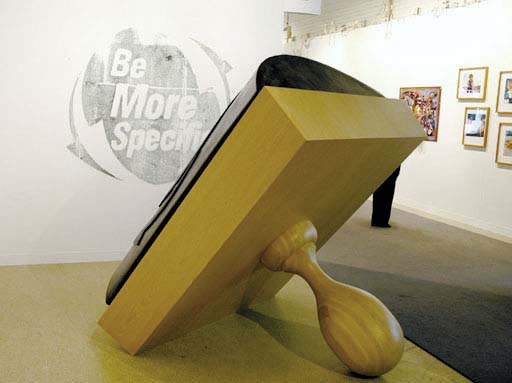
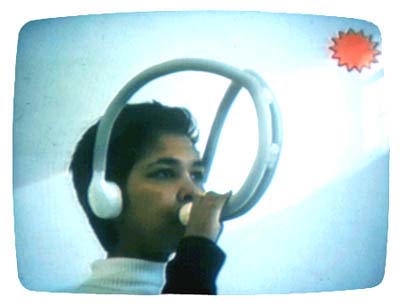
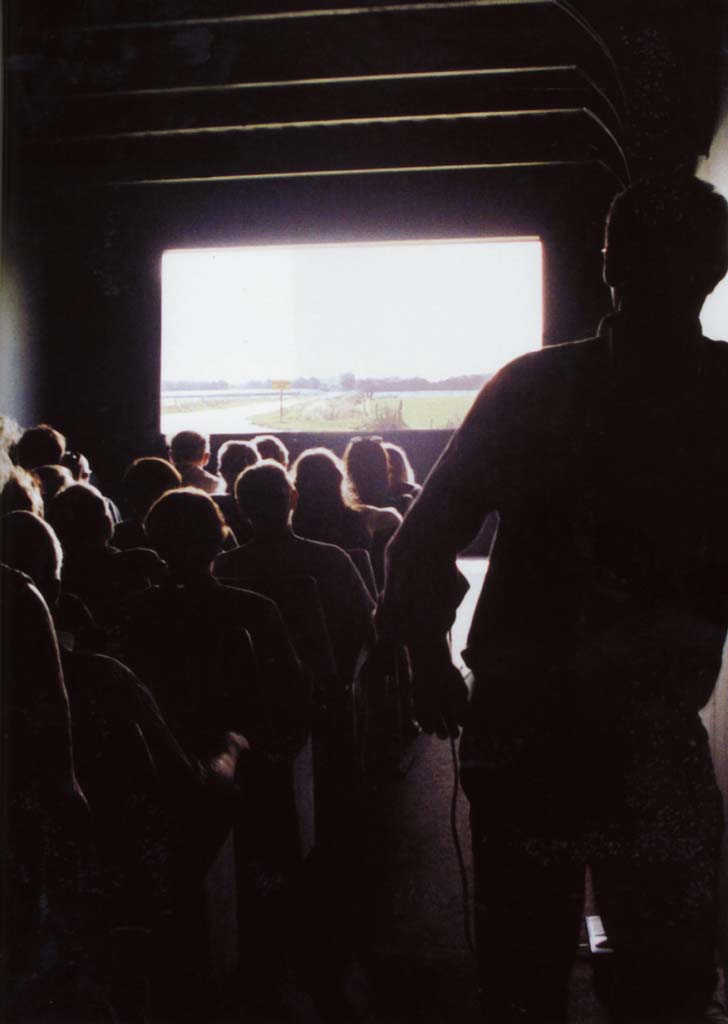
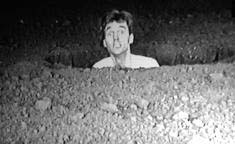
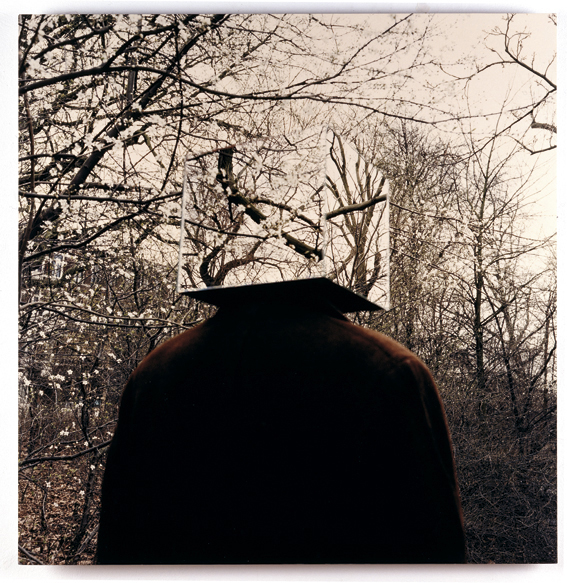
Although conceptual in nature, Job Koelewijn’s work is also highly tactile. Koelewijn attracted attention early on, when he was still a student at the Gerrit Rietveld Academy. For his final project, he had his mother and aunts dress in traditional Spakenburg folk costume and ritually clean the Academy’s glass exhibition pavilion. Since then his work has ranged from photography and film to architectural structures, and from small objects to large installations. He covered the floor of a Medieval hall in Middelburg with spaghetti, which was pulverised under the feet of visitors; he applied perfumed baby powder to the walls of a space at the Biennale in Venice; and he turned urban and rural landscapes into a ‘film screen’ by placing the auditorium of a cinema before them. Koelewijn makes abundant use of text in his work. He favours poetry, for example by Marsman or Beckett, and materials that appeal to the sense of touch, smell and hearing. His work is one of tremendous fragility and purity, qualities that, like cleanliness, he turns into themes; his ‘stories’ are always highly visual and imaginative and have an immediate appeal. Koelewijn’s work is not really commercial; much of it is produced for exhibitions and is temporary in nature.

About the laureate
Job Koelewijn (born in Spakenburg, the Netherlands, in 1962) lives and works in Amsterdam. He studied at the Gerrit Rietveld Academy in Amsterdam from 1987 to 1992 and spent a further year at the Sandberg Institute. In 1996 he spent a year in New York as an artist in residence at PS1, the contemporary art centre associated with MoMA. Koelewijn has shown his work at numerous exhibitions both in the Netherlands and abroad. In 1999 and 2001, for example, he submitted works to the Venice Biennale. His retrospective exhibition in 2005, held at Museum De Paviljoens in Almere, was entitled People can only deal with the fantasy when they are ready for it. His work has been purchased by the Stedelijk Museum in Amsterdam (Time Machine, an installation, was one of the last purchases made by the Stedelijk’s former artistic director, Rudi Fuchs) and many other major museums in the Netherlands and elsewhere.
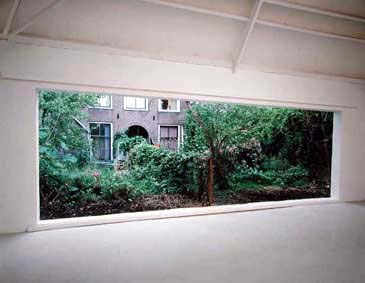
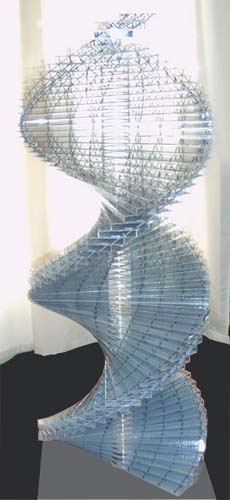
Galerie Fons Welters in Amsterdam has presented solo exhibitions of Koelewijn’s work since 1995. For The World is My Oyster, Koelewijn hacked away virtually the entire back wall of the gallery to create a splendid frame for a neighbouring back garden. Fons Welters is currently presenting another exhibition of Koelewijn’s work (until 13 May, entitled Doorlopende Voorstelling (‘Continuous performance’), it shows four large-scale works, including a bookcase in the shape of a lemniscate.
Job Koelewijn has received the Charlotte Köhler Prize (1996), the Sandberg Prize (1999) by the Amsterdamse Kunstenfonds, and the Nebest Award (2002) for artists whose work makes striking use of the theme of building and construction.
Galerie Fons Welters published the monograph History, Future in 2003.

Video

Video interview with Job Koelewijn, laureate of the Dr A.H. Heineken Prize for Art 2006

Works of art

Mary-Claire King

2022-08-19T19:13:50+02:00

Professor Mary-Claire King was awarded the Dr A.H. Heineken Prize for Medicine 2006 for proving the existence of the first hereditary breast cancer gene.
It took sixteen years before Mary-Claire King was able to demonstrate in 1990 that a single gene – it would later be called BRCA1 – was responsible for a large number of breast and ovarian cancer cases. At the time, virtually the entire medical science community believed that breast cancer was caused by a number of different genes interacting with different environmental factors, and that the search for a unique ‘breast cancer gene’ was a hopeless cause. By using her knowledge of mathematics, however, King developed a new research approach that would also prove to be successful in the study of other illnesses.
King had already changed our view of evolution when she demonstrated, for her doctorate, that the DNA of human beings and chimpanzees is 99% identical.
In the early 1990s, she discovered a technique for identifying individuals by genetic material taken from the teeth. Her work has made it possible for more than fifty children who ‘disappeared’ during the Argentinean military dictatorship to be reunited with their families. Professor King is currently researching the genetic basis of human deafness and HIV.

Further reading
King, M.C., Wilson, A.C., Evolution at two levels in humans and chimpanzees, Science 188: 107-116, 1975
Hall, J.M., Lee, M.K., Morrow, J., Newman, B., Anderson, L.A., Huey, B., King, M.C., Linkage of early-onset familial breast cancer to chromosome 17q21, Science 250: 1684-1689, 1990
Ginther, C., Issel-Tarver, L., King, M.C., Identifying individuals by sequencing mitochondrial DNA from teeth, Nature Genetics 2: 135-138, 1992
King, M.C., Marks, J.H., Mandell, J.B., New York Breast Cancer Study Group, Breast and ovarian cancer risks due to inherited mutations in BRCA1 and BRCA2, Science 302: 643-646, 2003

Biography
Born in Chicago in 1946, Mary-Claire King was 19 when she took a degree in mathematics, graduating cum laude. She went on to pursue her doctorate in genetics and epidemiology at the University of California, Berkeley.
King was caught up in the social movements of the turbulent 1960s and has remained politically engaged. She left her doctoral studies for a year in order to perform environmental research for the consumer advocate and future presidential candidate Ralph Nader. King was in Chile when President Salvador Allende was assassinated and some of her colleagues and students were killed in the military coup. That is in part why, at the request of Argentina, she dedicated herself wholly to helping in the genetic identification of family members who had disappeared during the dictatorship. The technique she developed has now become a standard method of identifying human remains. King is currently investigating congenital deafness through an Israeli-Palestinian partner project that she set up, providing further confirmation of her social awareness.
Mary-Claire King has received many honorary doctorates, awards and other marks of distinction throughout her career. Her students praise her talent as a teacher. King remained at Berkeley until 1995, when she accepted an appointment as the American Cancer Society Research Professor at the University of Washington in Seattle.

Video

Video interview with Mary-Claire King, laureate of the Dr A.H. Heineken Prize for Medicine 2006

Joel Mokyr

2022-08-19T19:27:09+02:00

Professor Joel Mokyr was awarded the Dr A.H. Heineken Prize for History 2006 for his research into the origins of the modern industrial economy.
Why are some societies innovative and others not? That is the key question in the fertile and influential work of Joel Mokyr, who has published on European and world economic history. In his view, knowledge and technology play a crucial role. Starting with his first study of the industrial revolution in the Low Countries, Mokyr pioneered what is now known as ‘New Economic History’. He draws from many different disciplines, ranging from demographics to cognitive psychology, and in this way offers relevant insights into the present, for example the origins of the knowledge society. Mokyr has shown that there is an unmistakeable relationship between Europe’s Industrial Revolution in the late 18th and 19thcenturies and the intellectual movements of the previous centuries. Without that knowledge base, the modern industrial economy would not have evolved. Mokyr also makes clear that if that knowledge base is too narrow, economic development will eventually grind to a halt.

Further reading
Mokyr, J., Industrialization in the Low Countries, 1795-1850, New Haven-London: Yale University Press, 1976
Mokyr, J., The lever of riches: Technological creativity and economic progress, New York en London: Oxford University Press, 1990
Mokyr, J., The gifts of Athena: Historical origins of the knowledge economy, Princeton: Princeton University Press, 2002
Mokyr, J., Long-term economic growth and the history of technology, in: Ph. Aghion and S. Durlauf (eds.), Handbook of Economic Growth, 1113-1180, Elsevier, 2005

Biography
Joel Mokyr (1946) was born in Leyden, the Netherlands, but migrated to Israel at an early age and is now an American citizen. He studied economics and history at the Hebrew University in Jerusalem and received his doctorate at Yale in 1974 for his dissertation on the economic history of the Low Countries.
In the same year he accepted a position at Northwestern University (Illinois), where he has worked ever since. He is currently a Professor of Economics and History and, since 1994, the Robert H. Strotz Professor of Arts and Sciences.
Mokyr is an undisputed world authority in his field. He is or has been a member of the editorial boards of the leading journals of economic history and is the editor in chief of the five-volume Oxford Encyclopedia of Economic History.
Mokyr is a member of the American Academy of Arts and Sciences and has been elected a foreign member of the Royal Netherlands Academy of Arts and Sciences in 2001. A number of his books, many of which are suitable for a wider readership, have been translated and he has received numerous awards for his publications. Mokyr is well-known for his enthusiasm, his wide-ranging outlook and his ability to inspire other researchers.

Heineken lecture
Mokyr’s Heineken Lecture ‘The Market for Ideas and the Origins of Economic Growth in Eighteenth Century Europe’ was published in an extended version in Tijdschrift voor Sociale en Economische Geschiedenis 4 [2007] nr. 1, p. 3-38

Video

Video interview with Joel Mokyr, laureate of the Dr A.H. Heineken Prize for History 2006

Stuart L. Pimm

2020-05-03T16:32:41+02:00

Professor Stuart L. Pimm was awarded the Dr A.H. Heineken Prize for Environmental Sciences 2006 for his research on species extinction and conservation.
It was Stuart Pimm who introduced the concept of the ‘food chain’ into research on the extinction of plant and animal species in the early 1980s. The extinction of a particular species within an ecological system may have an enormous impact on other species, but introducing a new species into a particular ecological system can also have far-reaching consequences. Pimm’s analyses have proved to be highly inspiring for other researchers. He has gained worldwide reputation for his research on the loss of biodiversity and the potential for species conservation, making use of many modern methods and techniques to track populations, such as remote sensing by satellite.
A recurring theme in his work, including his book The World According to Pimm, is the impact of human beings on the natural environment. The rapid extinction of plant and animal species is closely associated with such human activity as deforestation, land reclamation, overfishing and overhunting, excessive consumption of water and water pollution. It is therefore also up to the human race to call a halt to species extinction.
Pimm explains that the overwhelming majority of organisms depend directly but most frequently indirectly on plant species (primary producers) for their survival. He fervently believes that mankind must do everything possible to preserve ecosystems such as the tropical rainforest. Pimm continuously presents factual evidence for his arguments and is considered an influential lobbyist by the media and policy-makers.

Further reading
Pimm, S.L., Food webs, Chapman and Hall, Londen, 1982. Revised edition published in 2003 by the University of Chicago Press, Chicago IL
Pimm, S.L., The balance of nature?: Ecological issues in the conservation of species and communities, University of Chicago Press, Chicago IL, 1991
Pimm, S.L., The world according to Pimm: A scientist audits the earth, McGraw Hill, New York, 2001

Biography
Stuart Pimm was born in Derbyshire, United Kingdom, in 1949. He studied zoology at Oxford and received his doctorate in 1974 from New Mexico State University in the United States. He has remained in the U.S. ever since and is a naturalised American citizen.
Pimm decided to study conservation biology when he watched various bird species on Hawaii go extinct in the 1970s. He is still involved in a research programme on Hawaii, but also conducts research in Madagascar, Brazil and South Africa. One of his beliefs is that conservation should be practised on a global scale. Pimm feels it is his task to share his knowledge with politicians and journalists, and he has worked energetically for many years to impart his research results to the general public and policy-makers. He has succeeded in communicating the importance of ecological conservation to a wide audience through his highly accessible publications, for example The World According to Pimm.
Starting in the 1970s, Professor Pimm held appointments at Texas Tech University and the University of Tennessee. In 1999 he accepted a position as Professor with the Center for Environmental Research and Conservation at Columbia University. He currently holds the Doris Duke Chair of Conservation Ecology at Duke University in Durham and Extraordinary Professor with the Conservation Ecology Research Unit at the University of Pretoria in South Africa.

Heineken Lecture
In September 2005 Stuart Pimm together with Clinton Jenkins published an article in Scientific American on biodiversity. The article resembles the subject of Pimm’s lectures which he held in September 2006 in the Netherlands during the Heineken Prizes Scientific Week.

Video

Video interview with Stuart Pimm, laureate of the Dr A.H. Heineken Prize for Environmental Sciences 2006

John R. Anderson

2022-08-19T19:58:44+02:00

Professor John R. Anderson was awarded the very first Dr A.H. Heineken Prize for Cognitive Science 2006 for his ground-breaking theory of human cognition.
It was in around 1980 that psychologist John R. Anderson succeeded in developing the first theory integrating the various mechanisms and processes underlying intelligent behaviour. His ‘computational’ theory of human cognition, known as Adaptive Control of Thought (ACT), defines a number of elementary cognitive functions, such as ‘compare’, ‘choose’, and ‘do’. These functions are, in turn, part of more complex, cooperative modules, including one that responds to visual information as well as memory modules for declarative (‘know that’) and procedural (‘know how’) information. Anderson’s work has had an enormous impact on many different fields of research, ranging from neurocognition to decision making. It has been applied in behavioural research on attention, learning and problem solving, but ACT can also make accurate, verifiable predictions of the cognitive activity in the brain. Anderson’s theory has found application in the context of ergonomics and computer-assisted learning, for example in a much-praised and highly effective ‘math tutor’ that Anderson developed for school mathematics.

Further reading
Anderson, J.R., The architecture of cognition, Cambridge, MA: Harvard University Press, 1983
Anderson, J.R., The adaptive character of thought, Hillsdale, NJ: Erlbaum, 1990
Anderson, J.R., Lebiere, C., The atomic components of thought, Mahwah, NJ: Erlbaum, 1998
Anderson, J.R., Bothell, D., Byrne, M.D., Douglas, S., Lebiere, C., Qin, Y., An integrated theory of the mind, Psychological Review 111, 1030-1060, 2004
Anderson, J.R., Human symbol manipulation within an integrated cognitive architecture, Cognitive Science 29, 313-341, 2004

Biography
John Robert Anderson was born in Vancouver, Canada, in 1947. He is now an U.S. citizen. He received his B.A. from the University of British Columbia in 1968 and obtained his doctorate at Stanford University in 1972. After a number of brief appointments at Yale University and the University of Michigan, Anderson was appointed Professor of Psychology at Carnegie Mellon University in 1978. In 1983 he accepted a second appointment as Professor of Computer Science. Since 2002 he has held the prestigious Richard King Mellon Chair of Psychology and Computer Science.
Anderson’s work has received widespread recognition right from the start of his career. He received the Early Career Award of the American Psychological Association (APA) in 1978, the APA’s Distinguished Scientific Career Award in 1994, and the David E. Rumelhart Prize in 2004. In 1999 he was elected Fellow of the American Academy of Arts and Sciences and, in the same year, he also became a member of the National Academy of Sciences acting as chair of its Psychology Section since 2001.
Anderson now has some three hundred publications to his name. He is an authoritative voice in public debates and has, for example, argued in favour of raising the scientific standards of educational research.

Video

Video interview with John Anderson, laureate of Dr A.H. Heineken Prize for Cognitive Science 2006

Andrew Z. Fire

2022-08-19T20:08:07+02:00

Dr Andrew Z. Fire was awarded the Dr H.P. Heineken Prize for Biochemistry and Biophysics 2004 for his discovery of RNA interference.
Andrew Fire has discovered that introducing double-stranded RNA in a cell will shut down any given gene. His discovery has far-reaching implications. Protein synthesis, the basis for virtually all biological processes, is controlled by the genes, but without the messenger, RNA (ribonucleic acid), the instructions – the genetic code – would never reach the ribosomes, the cellular particles where proteins are produced. Genes are ‘expressed’ (as geneticists put it) only when RNA has delivered the instructions. An RNA molecule normally carries a copy of one of the two strands of DNA of a particular gene, but experiments conducted in the mid-eighties showed that the other strand of RNA (known as the antisense RNA) is sometimes capable of inhibiting RNA activity.
Fire in cooperation with his colleague Dr Craig Mello discovered in 1998 that double-stranded RNA is very effective at ‘interference’, i.e. at blocking protein synthesis. RNA interference takes place outside the laboratory as well, however, and not only in C. elegans, the roundworm that Fire uses in his research. It has been shown to be a well-preserved evolutionary mechanism that plays a key role in the natural development of all fungi, flora and fauna, and that is, for example, of huge importance in an organism’s defence against viral infection.
This fundamental understanding of natural processes has led to a powerful new technology for identifying the function of genes. Although researchers have described a large number of complete genomes in the past few years, they are far from knowing the purpose of the individual genes. Using the new technology, they can explore the effect of silencing or inhibiting a single gene at cellular level and in that way uncover the role of that gene. Researchers are now also attempting to inhibit specific genes in living organisms. There is growing hope and indeed the expectation that the discovery of RNA interference will lead to new treatments against cancer, genetic disorders and viral diseases.

Key publications
Fire A., Xu S., Montgomery M.K., Kostas S.A., Driver S.E., Mello C.C., Potent and specific genetic interference by double-stranded RNA in Caenorhabditis elegance, Nature 391 (6669): 806-811, 1998 Timmons L., Fire A., Specific interference by ingested dsRNA, Nature 395 (6705): 854, 1998

Biography
Andrew Z. Fire was born in Santa Clara County, California (USA) in 1959. He majored in mathematics at the University of California, Berkeley, where he obtained his degree in only three years, but genetics were to become his life’s work. At the age of 19 he went to the Massachusetts Institute of Technology in Cambridge, Massachusetts, to work in the laboratory of Professor Philip Sharp (a later Nobel Prizewinner) on a new area of cell biology: the biochemistry that underlies gene expression in mammalian cells. After obtaining his Ph.D. (the subject of his 1983 dissertation was the genetics of adenoviruses), Fire left for Cambridge in the United Kingdom, where he worked with one of the fathers of molecular biology, Nobel Prizewinner Professor Sidney Brenner, on the DNA of the C. elegans worm, which has played a key role in his research since then.
Between 1986 and 2003, Andrew Fire was a member of staff of the Carnegie Institution of Washington, Department of Embryology (Baltimore, USA), where he supervised dozens of students, Ph.D. candidates and post-docs. In 2003 he moved his laboratory to Stanford University School of Medicine (Departments of Pathology and Genetics); in addition, he is an adjunct professor at Johns Hopkins University in Baltimore. Fire has been the recipient of many scholarships and prizes, for example the Maryland Distinguished Young Scientist Award (1997) and the National Academy of Sciences Award in Molecular Biology (2003, together with Dr Craig Mello). In 2006 he won the Nobel Prize in Physiology or Medicine, together with Dr Craig Mello. His colleagues praise his creativity and originality.

Video

Video interview with Andrew Fire, laureate of  the Dr H.P. Heineken Prize for Biochemistry and Biophysics 2004

Go to Top