Portfolio

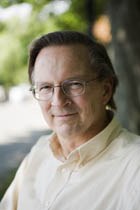
John Duncan

2022-08-18T22:36:45+02:00

John Duncan has been awarded the Dr A.H. Heineken Prize for Cognitive Science 2012 for his remarkable innovative, multidisciplinary research into the relationships between psychology, behaviour and intelligence on the one hand and neural processes on the other.
John Duncan is an all-round scientist whose work builds bridges between psychology and behavioural science on the one hand and neurobiology on the other.
Duncan’s multifaceted research encompasses everything from clinical observation to digital brain scans and electrophysiological measurements of individual nerve cells in animal brains. In essence, however, he concentrates on two crucial cognitive functions: our ability to focus our attention selectively on only the most important stimuli (selective attention), and our ability to adapt our thinking and actions to a changing environment (intelligence). At one time, only social scientists were interested in these phenomena. Thanks to multidisciplinary researchers like Duncan, however, they are now thriving areas of investigation in the neurosciences.
Duncan combines observations and theories drawn from a variety of different disciplines to produce innovative concepts that range from individual nerve cells to patterns of human behaviour, and that serve as a source of inspiration for many of his fellow scientists.
One such concept explains our ability to focus our attention selectively on specific visual stimuli and objects. In the 1980s, Duncan’s “biased competition” model united concepts taken from neurophysiology and psychology. In his view, stimuli compete for the brain’s attention, and those stimuli that best suit the task being carried out at that moment have an advantage over the rest. This concept is now regarded as one of the cornerstones of cognitive neuroscience and is used to study such phenomena as language, memory and emotion.
More recently, Duncan developed a new theory for how nerve cells in various multifunctional brain centres combine to produce intelligent behaviour. His theory is based in part on his observations of brain centres that are involved in a wide variety of different tasks. Together they form a “multiple-demand neural network” that gives one particular task precedence over another, depending on the situation. These networks may be capable of processing structured, abstract programs that lead to intelligent, goal-oriented behaviour.
Duncan has also designed a series of neurological tests capable of predicting a subject’s IQ under experimental conditions. The suggestion is that such tests may constitute a useful addition to traditional psychological intelligence testing. The tests also offer fascinating glimpses of potential new relationships between biological and artificial forms of intelligence.

Further reading
The Green Fluorescent Protein. Annual Review of Biochemistry 67 (1998) 507-544.
Griffin, B.A., Adams S.R. and Tsien R.Y., Specific Covalent labeling of Recombinant Protein Molecules Inside Live Cells. Science 281 (1998), 269.
Baird G.S., Zacharias D.A. and Tsien R.Y., Biochemistry, mutagenesis, and oligomerization of dsRed, a red fluorescent protein from coral. Proc.Natl.Acad.Sci. 97 (2000) 11984-11989.
Zacharias D.A., Baird G.S. and Tsien R.Y., Recent advances in technology for measuring and manipulating cell signals. Current Opinion in Neurobiology 10 (2000) 416-421.
Honda A., Adams S.R., Sawyer C.L., Lev-Ram V., Dostmann W.R.G. and Tsien R.Y., Spatiotemporal dynamics of guanosine 3′,5′-cyclic monophosphate revealed by a genetically encoded, fluorescent indicator. Proc.Natl.Acad.Sci.USA 98 (2001) 2437.

Biography
John Duncan studied psychology and physiology at Oxford University and obtained his DPhil from the same university in 1976. After a period as postdoc at the University of Oregon in Eugene (US), he returned to the UK in 1978 to become a researcher at the Medical Research Council (MRC) in Cambridge. His position was with the Applied Psychology Unit, an institute to which he has remained faithful ever since. He is now the Assistant Director of the unit, today known as the MRC Cognition and Brain Sciences Unit.
Duncan is a highly respected scientist, as evidenced by the many articles he has published in such leading journals as Science, Nature and Nature Neuroscience. He is also well known for his ability to communicate the complexities of science to a wider audience. In 2010, he published How Intelligence Happens, in which he explains the implications for cognitive science of recent research in psychology, artificial intelligence, brain scanning and neurophysiology.
Among his many honours, John Duncan has been made a Fellow of the British Royal Society and the British Academy.

Video

Video interview with John Duncan, laureate of the Dr A.H. Heineken Prize for Cognitive Science 2012
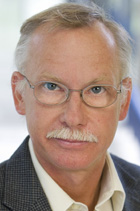
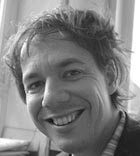
Franz-Ulrich Hartl

2022-08-18T22:52:30+02:00

Professor Franz-Ulrich Hartl was awarded the Dr H.P. Heineken Prize for Biochemistry and Biophysics 2010 for his contribution to the discovery of the role of ‘chaperones’ in protein folding.
Proteins can only guide cellular processes after they have become three-dimensional in shape. One of the key questions in biochemistry is how an amino acid chain folds itself into a three-dimensional shape, thereby becoming a protein, and how the resulting protein avoids becoming unfolded again and losing its function. It is because of Franz-Ulrich Hartl that we now understand the significance of chaperone molecules in this process. Chaperones are proteins that help other proteins fold themselves into the proper shape and remain that way. It was long assumed that proteins acquired their shape through a process of self-assembly, but Hartldiscovered that many of the thousands of different proteins in cellular fluid in fact depend on chaperones to guide them. He developed a series of ingenious experiments, both in vitro and in vivo, to explain in detail how chaperone-assisted protein folding works. In the first half of the 1990s, his publications in Nature led to a drastic overhaul of the basic principles of protein biogenesis, the fast-growing discipline that investigates protein formation.
Understanding the process of protein folding and unfolding has major implications. For example, a disruption in the folding mechanism leads to neurodegenerative diseases such as Parkinson’s and Huntington’s. Hartl and his research group are attempting to decipher these mechanisms. Ultimately, they hope to use the power of chaperones to combat disease and to assemble proteins in biotechnology.

Key publications
Cheng M.Y., Hartl F.U., Martin J., et al. 1989. ‘Mitochondrial heat-shock protein HSP60 is essential for assembly of proteins imported into yeast mitochondria.’ In: Nature 337: 620-625
Hartl F.U. 1996. ‘Molecular chaperones in cellular protein folding.’ In: Nature 381: 571-580
Hartl F.U. & Hayer-Hartl M. 2002. ‘Molecular chaperones in the cytosol: from nascent chain to folded protein.’ In: Science 295: 1852-1858
Tang Y.C., Chang H.C., Roeben A., et al. 2006. ‘Structural features of the GroEL-GroES nano-cage required for rapid folding of encapsulated protein.’ In: Cell 125: 903-914
Liu C.M., Young A.L., Starling-Windhof A., et al. 2010. ‘Coupled chaperone action in folding and assembly of hexadecameric Rubisco.’ In: Nature 463: 197-202

Biography
Franz-Ulrich Hartl was born in 1957 in Essen, Germany. He studied medicine at Heidelberg University, graduating summa cum laude in 1985. He also received his doctoral degree there for his dissertation on the role of hormones in the rat liver. In 1990, Hartl obtained his Dr. Med. Habil. from the University of Munich for his dissertation on protein assembly processes. Hartl went to the United States in 1989 as a postdoctoral fellow at the University of California (UCLA). In 1991, he moved to the Graduate School of Medical Sciences at Cornell University, where he worked as an instructor and researcher. From 1994 to 1997, he also worked as an associate investigator at the prestigious Howard Hughes Medical Institute for biomedical research. Hartl returned to Europe in 1997 after accepting an appointment as professor of physiological chemistry and managing director of the Max Planck Institute for Biochemistry in Martinsried, Germany.
Hartl has won many international awards and honours and is a member of the German Academy of Sciences, a foreign honorary member of the American Academy of Arts and Sciences and an honorary member of the Japanese Biochemical Society.

Video interview with Franz-Ulrich Hartl

Mark Manders

2022-08-18T23:13:54+02:00

Mark Manders was awarded the Dr A.H. Heineken Prize for Art 2010 for his consistent use of imagery in creating an intriguing world of his own, one that leaves ample scope for free association and plants itself deep in the memory.
Mark Manders is best known for his installations, for which he uses a variety of different materials, including wood, iron, plastic, rope, sand, paper and even teabags. He places familiar elements ‘a human figure, a chair, a table, a cat’ together in mysterious compositions and leaves their interpretation to the viewer. Manders also produces drawings, sculptures, films, and writes poems. His works represent the flow of his own ideas and meditations. Manders regards his oeuvre as a single, cohesive project, which he refers to as his ‘self-portrait as building’. It is not an autobiographical self-portrait, however, but a portrait of the artist as a fictional and (in his own words) ‘over-concentrated, neurotic, poetic person’, a ‘character who lives in a logically designed and constructed world which consists of thoughts that are halted or congeal at their moment of greatest intensity’. The Dutch arts magazine Kunstbeeld suggested that Manders’ best work ‘becomes art the way nature turns in freezing cold: immaculate and isolated at the same time, tranquil and full of tension’.

About the laureate
Mark Manders was born in Volkel, the Netherlands, in 1968. He attended the School of Graphic Design in Arnhem and the Arnhem Academy of Art and Design. His work has been exhibited extensively in the Netherlands and abroad, including solo exhibitions at the Kröller-Müller Museum in Otterlo (Netherlands), the Kunsthaus Zürich Museum for Modern Art, Pinakothek der Moderne in Munich, the Berkeley Art Museum and the Art Institute of Chicago. He has exhibited at the Sao Paolo, Berlin and Venice Biennales and at Dokumenta in Kassel. His work has also been acquired by an impressive number of museums in Amsterdam, Eindhoven, Arnhem, Antwerp, Ghent, Munich, Dublin, Zurich, New York, Chicago, Minneapolis and Los Angeles. Manders is a recipient of the Prix de Rome (1992) and the Philip Morris Art Prize (2002).

Video

Video interview with Mark Manders, laureate of the Dr A.H. Heineken Prize for Art 2010

Ralph M. Steinman

2022-08-18T23:31:36+02:00

Professor Ralph Steinman was awarded the Dr A.H. Heineken Prize for Medicine 2010 for his discovery of the drendritic cell and its role in the immune response.
When pathogenic bacteria or viruses enter our bodies, our killer T cells rush out to attack these antigens while our B cells produce antibodies. For a long time, however, we did not know how this immune response got under way. Then, in 1973, Ralph Steinman and cellular biologist Zanvil Cohn discovered an entirely new kind of cell: the dendritic cell, so called because of its tree-like structure (Greek, dendron, tree). Dendritic cells are found where antigens are most likely to enter the body, for example in the skin and the mucous membranes of the nose, lungs and intestines. This small but powerful group of cells act as sentinels; as soon as they detect antigens in the body, they destroy them and show the broken fragments to other cells, which recognise them for what they are and spring into action. Dendritic cells are so sensitive that they register precisely what is happening in the organs in which they reside. They then conduct the T cell and B cell response, determining whether it should be increased, reduced or modified. After all, although cells that threaten the body must be repulsed, the immune response system should not react to something harmless, and especially not to the body’s own tissue or, for example, a foetus inside a pregnant woman. Since Steinman’s discovery of dendritic cells, their crucial role as conductors of the immune system has become clearer. This insight is extremely important in medical research, for example in combating infectious diseases, cancer, auto-immune diseases, allergies, and the rejection of organ transplants.

Key publications
Steinman R.M. & Cohn Z.A. 1973. ‘Identification of a novel cell type in peripheral lymphoid organs of mice. I. Morphology, quantitation, tissue distribution’. In: Journal of Experimental Medicine 137: 1142-1162
Steinman R.M. & Cohn, Z.A. 1974. ‘Identification of a novel cell type in peripheral lymphoid organs of mice. II. Functional properties in vitro’. In:Journal of Experimental Medicine 139: 380-397
Steinman R.M., Lustig D.S. & Cohn Z.A. 1974. ‘Identification of a novel cell type in peripheral lymphoid organs of mice III. Functional properties in vivo.’ In: Journal of Experimental Medicine 139: 1431-1445
Steinman R.M., Gutchinov B., Witmer M.D. & Nussenzweig M.C. 1978. ‘Dendritic cells are the principal stimulators of the primary mixed leukocyte reaction in mice.’ In:Journal of Experimental Medicine 157: 613-627, 1983
Nchinda G., Kuroiwa J., Oks M., Trumpfheller C., Park C.G., Huang Y., Hannaman D., Schlesinger S.J., Minezina O., Nussenzweig M.C., Uberla K. & Steinman R.M. 2008. ‘The efficacy of DNA vaccination is enhanced in mice by targeting the encoded protein to dendritic cells.’ In: Journal of Clinical Investigation 118: 1427-1436

Biography
Ralph Marvin Steinman was born in Montreal in 1943 and received his M.D. from Harvard Medical School in 1968. After completing an internship and residency at Massachusetts General Hospital, he joined The Rockefeller University in 1970 as a postdoctoral fellow in the Laboratory of Cellular Physiology and Immunology, where he began the research that led to the discovery of dendritic cells. In 1988 Steinman was appointed professor at The Rockefeller University. Ten years later he was named Director of the Christopher H. Browne Center for Immunology and Immune Diseases , where he is now – almost thirty years after his discovery – studying how dendritic cells can be used for therapeutic purposes, for example to develop vaccines for tumours and the HIV virus. Steinman has published numerous frequently-cited articles in prominent journals, evidence of his status as one of the most prestigious medical researchers in the world. Among other awards and honours, he is a recipient of the Albert Lasker Basic Medical Research Award and the Mayor’s Award for Excellence in Science and Technology (New York City). In 2011 he won the Nobel Prize in Physiology or Medicine (together with Bruce A. Beutler and Jules A. Hoffmann).
Steinman passed away in September 2011.

Video

Video interview with Ralph Steinman, laureate of the Dr A.H. Heineken Prize for Medicine 2010

Rosamond D. McKitterick

2022-08-18T23:41:24+02:00

Professor Rosamond McKitterick was awarded the Dr A.H. Heineken Prize for History 2010 because she has fundamentally changed how we view the Carolingians and the interplay of politics, religion and scholarship in their time.
Historians long assumed that – following a lengthy period in which very few northern Europeans could read or write and ideas were transmitted orally – literacy began to revive once again in the eleventh century. Rosamond McKitterick upended this image completely with research that was initially considered highly controversial. Her method combines meticulous analysis of original manuscripts – not only the text itself, but also how it was created and to which other texts it refers – and a wide-ranging view of history. Based on this method, she has argued that literacy in fact revived some three centuries earlier than assumed, during Charlemagne’s reign.
McKitterick has presented plausible evidence showing that many children went to school in Carolingian times and that literacy had infiltrated far down the social pyramid. Princes issued written orders, noblemen gifted libraries to monasteries, and former slaves were given a written document as evidence that they were freemen. Contrary to earlier notions, it appears that the written word was crucially important in both ecclesiastical and secular society as far back as the eighth century.
In her later work, McKitterick fleshed out this new image of the Carolingians. Drawing on meagre source material, she has managed to sketch a surprisingly complete picture of Charlemagne and his empire, of how people then regarded their own past, and of how politics, religion and scholarship were interrelated.

Key publications
McKitterick R.D. 1983. The Frankish Kingdoms under the Carolingians. Longman Publishing Group, London
McKitterick R.D. 1989. The Carolingians and the Written Word. Cambridge University Press, Cambridge
McKitterick R.D. 2004. History and Memory in the Carolingian World. Cambridge University Press, Cambridge
McKitterick R.D. 2006. Perceptions of the Past in the Early Middle Ages. University of Notre Dame Press, Notre Dame
McKitterick R.D. 2008. Charlemagne: the Formation of a European Identity. Cambridge University Press, Cambridge
McKitterick R.D. 1983. The Frankish Kingdoms under the Carolingians. Longman Publishing Group, London
McKitterick R.D. 1989. The Carolingians and the Written Word. Cambridge University Press, Cambridge
McKitterick R.D. 2004. History and Memory in the Carolingian World. Cambridge University Press, Cambridge
McKitterick R.D. 2006. Perceptions of the Past in the Early Middle Ages. University of Notre Dame Press, Notre Dame
McKitterick R.D. 2008. Charlemagne: the Formation of a European Identity. Cambridge University Press, Cambridge

Biography
Rosamond Deborah McKitterick was born Rosamond Pierce in Chesterfield, UK, in 1949. She spent part of her youth in Australia and completed an honours degree at the University of Western Australia in Perth. She then returned to the UK, where she received the degrees of M.A., Ph.D., and Litt.D. from the University of Cambridge. After a year in Munich, she became a lecturer and then received a Chair in Medieval History at Cambridge University. She is also Professorial Fellow at Sidney Sussex College, and a Fellow of the Medieval Academy of America, Monumenta Germaniae Historica, and the Austrian Academy of Sciences.
Rosamond McKitterick is regarded as a brilliant but also accessible researcher and teacher. Young medievalists flock to work with her and, after obtaining their degrees, many of them find academic posts all around the world. This has given rise to a McKitterick school in historical research, an approach that, far from being uniform, manifests itself in publications exploring a variety of different subjects and methods. Alongside her own impressive list of publications, these works attest to the inspiring example set by this original historian, who is now at the height of her career.

Video

Video interview with Rosamond McKitterick, laureate of the Dr A.H. Heineken Prize for History 2010

G. David Tilman

2022-08-18T23:53:38+02:00

Professor David Tilman was awarded the Dr A.H. Heineken Prize for Environmental Sciences 2010 because by combining mathematical theories, laboratory research and field experiments, he has made a fundamental contribution to the science of ecology, a branch of biology that studies the interplay between organisms and their environment.
When species in an ecosystem compete for a limited amount of food, which ones will survive and which ones will not? Resource competition theory uses a mathematical model to predict the winners and losers. David Tilman did much to develop this theory, which has been an essential part of virtually every textbook on ecology since the early 1980s. Tilman himself applied the theory to plants and came to a revolutionary discovery. He spent twenty years observing more than two hundred plots of grassland and kept precise species diversity and abundance records on each plot. He discovered that the plots where a wide variety of species co-habited clearly did much better under difficult circumstances – such as a period of drought -than plots with just a few species. He had shown for the first time that biodiversity makes an ecosystem more stable, demonstrating that protecting endangered species is important for the survival of earth’s ecosystems.
In recent years, Tilman has also devoted himself to studying sustainable farming methods, which are needed to meet the rapidly growing demand for food and energy. For example, he studied the advantages and disadvantages of different types of biofuels, demonstrating that native high-diversity grasslands could provide more energy per hectare than corn grain ethanol or soybean biodiesel. Not only is it economically more profitable to make biofuel from prairie grasses, but it is also more sustainable: grass absorbs more CO2 from the atmosphere and is not food crop for humans, unlike corn grain and soybeans.

Key publications
Tilman D. 1982. Resource Competition and Community Structure. Princeton University Press, Princeton
Tilman D. 1988. Plant Strategies and the Dynamics and Structure of Plant Communities. Princeton University Press, Princeton
Tilman D. & Downing J. 1994. ‘Biodiversity and stability in grasslands’. In: Nature367: 363-365
Tilman D., Cassman K.G., Matson P.A., Naylor R. & Polasky S. 2002. ‘Agricultural sustainability and intensive production practices’. In: Nature 418: 671-677
Tilman D., Hill J. & Lehman C. 2006. ‘Carbon-negative biofuels from low-input high-diversity grassland biomass’. Science 314: 1598-1600

Biography
G. David Tilman was born in Aurora, Illinois in 1949 and studied zoology at the University of Michigan. It was during his doctoral research on algae that he began to work on a mathematical model to predict the outcome of resource competition. He continued to work on his model, with success, after receiving his appointment at the University of Minnesota. In 1992, Tilman became director of University’s Cedar Creek Ecosystem Science Reserve, a nature preserve intended for ecological research, where he has been conducting his celebrated experiments since the early 1980s.
Tilman’s work has inspired many thousands of scientists around the world. The renowned Institute for Scientific Information has twice designated him the most highly cited environmental scientist of the decade (1990-2000 and 1996-2006). Tilman has been on dozens of boards, including for the National Science Foundation, the National Research Council and the United States’ President’s Council of Advisers on Science and Technology.

Video

Video interview with David Tilman, laureate of the Dr A.H. Heineken Prize for Environmental Sciences 2010

Michael Tomasello

2022-08-19T00:06:22+02:00

Professor Michael Tomasello was awarded the Dr A.H. Heineken Prize for Cognitive Science 2010 because his multidisciplinary research has given us a much deeper understanding of cognitive processes in primates in general, and language acquisition processes in humans in particular.
According to Michael Tomasello, joint attention, or two individuals consciously focusing on one and the same action, is the structuring principle underlying many aspects of human communication and learning. Tomasello based this conclusion on extensive research. He is one of the few scientists worldwide who is acknowledged as an expert in multiple disciplines; his research interests range from cognitive processes in apes to developmental psychology and language acquisition in children. In Tomasello’s view, the basic difference between human beings and apes is that from infancy, humans are capable of something that apes are not, or in any event do less well: putting themselves in another’s position and knowing what the other is observing and thinking. Thanks to this unique ability, he argues, humans were able to develop a culture as part of their evolutionary process. The principle that people understand one another’s intentions also provides the basis for language acquisition, according to Tomasello. Children slowly learn the rules of grammar by communicating with the adults around them every day. Tomasello’s theory of usage-based linguistics rejects the theory of generative grammar, which assumes that children learn language owing to an innate universal grammar.
Although the jury is still out concerning the distinction between humans and apes and the way in which children learn language – and Tomasello would be the first to stress this – his original ideas, which are solidly grounded both theoretically and empirically, are generally considered to have made a major and innovative contribution to our understanding of cognitive processes.

Key publications
Tomasello M., Kruger A. & Ratner H. 1993. ‘Cultural Learning’. In: Behavioral and Brain Sciences 16: 495-552
Tomasello M. & Call J. 1997. Primate Cognition. Oxford University Press, Oxford
Tomasello M. 1999. The Cultural Origins of Human Cognition. Harvard University Press, Harvard
Tomasello M. 2003. Constructing a Language: A Usage-Based Theory of Language Acquisition. Harvard University Press, Harvard
Tomasello M. 2008. Origins of Human Communication. MIT Press, Cambridge Massachusetts

Biography
Michael Tomasello was born in Bartow, Florida, in 1950 and studied psychology at Duke University in Durham, North Carolina. He received his doctorate in experimental psychology from the University of Georgia in Athens. He became professor of psychology and then of anthropology at Emory University in Atlanta. At the same time, Tomasello conducted psychobiological research at the Yerkes National Primate Research Center. In 1998, he was appointed researcher and co-director of the Max Planck Institute for Evolutionary Anthropology in Leipzig, Germany. Three years later he became co-director of the Wolfgang Köhler Primate Research Center, which cooperates with the Leipzig Zoo. Tomasello is an honorary professor in psychology at the universities of Leipzig and Manchester, UK. He has authored an impressive list of publications and has been a visiting scholar, professor and instructor at Harvard University, the University of Rome, Stanford University and UC Berkeley. His awards and distinctions include a Guggenheim Fellowship in 1997 and the Hegel Prize in 2009. In addition to his research achievements, Tomasello has reached out to a wider public in publications, lectures and television programs to explain how humans and apes (or dogs) are similar and how they differ.

Video

Video interview with Michael Tomasello, laureate of the Dr A.H. Heineken Prize for Cognitive Science 2010 

Jack W. Szostak

2022-08-19T00:15:44+02:00

Jack W. Szostak was awarded the Dr H.P. Heineken Prize for Biochemistry and Biophysics 2008 for his highly original insights into the fundamental processes of life.

Examples of key publications
Szostak, J.W, Blackburn, E.H., Cloning yeast telomeres on linear plasmid vectors. In: Cell1982; 29: 245-55
Szostak, J.W., Orr-Weaver, T.L., Rothstein, R.J., Stahl, F.J., The double-strand-break repair model for recombination. In: Cell 1983; 33: 25-35
Murray, A.W., Szostak , J.W., Construction of artificial chromosomes in yeast. In: Nature1983; 305: 189-193
Roberts, R.W., Szostak, J.W., RNA-peptide fusions for the in vitro selection of peptides and proteins. In: Proc. Natl. Acad. Sci. USA 1997; 94: 12297-12302
Seelig, B., Szostak, J.W., Selection and evolution of enzymes from a partially randomized non-catalytic scaffold. In: Nature 2007; 448: 828-831

Biography
Jack Szostak (1952) was only nineteen when he was awarded his B.S. in cell biology at McGill University in Montreal, Canada. He obtained his PhD in biochemistry at Cornell University (Ithaca, New York, USA), where he worked as a research assistant until 1979. He then moved to Harvard Medical School, where he has been a professor with the Department of Genetics since 1988. In that same year, he accepted an appointment with the Department of Molecular Biology at Boston’s Massachusetts General Hospital, where he became an Alex Rich Distinguished Investigator in 2000. In 1998, Szostak became an Investigator at the Howard Hughes Medical Institute at Massachusetts General Hospital.
Szostak has been granted numerous patents and is a member of several American academies and the American Association for the Advancement of Science (AAAS). His previous awards include the 2006 Albert Lasker Award for Basic Medical Research (together with Elizabeth Blackburn and others). In 2009 he won the Nobel Prize in Physiology or Medicine (together with Elizabeth Blackburn and Carol Greider). Szostak is praised on all sides for his versatility and originality.

Video

Video interview with Jack Szostak, laureate of the Dr H.P. Heineken Prize for Biochemistry and Biophysics 2008

Barbara Visser

2022-08-19T00:23:11+02:00

Barbara Visser was awarded the Dr A.H. Heineken Prize for Art 2008 for her photographic and video work, notable for its wide-ranging form and content and consistently distinct signature.
Barbara Visser’s photographs, videos and installations disrupt our patterns of expectations, sometimes very directly and sometimes more subtly. Alienation from reality and the astonishing nature of reality are certainly not unfamiliar themes in contemporary art, but Visser uses them in her work in a distinctively creative fashion and with immense visual conviction. For A Day in Holland/Holland in a Day (2001), for example, she disguised Dutch actors as Japanese tourists and photographed them in the Holland Village theme park in Nagasaki. The result: Dutchmen in Japan who look like Japanese in the Netherlands.
In an earlier work, she stuck a knife in the upholstery of a Martin Visser couch, similar to Lucio Fontana’s slashed canvasses. She battered other familiar icons of design furniture as well, robbing them of their functionality but transforming them into works of art at the same time (Detitled, 2000).
She attracted attention with The World Belongs to Early Risers (2002), a series of photographs of a man sunbathing on the seashore while, a short distance away, photographers are snapping photos of a refugee who has washed up on the beach.
Barbara Visser has also created future postcards. In one work, she had an actress impersonate her giving a lecture while she dictated the text into a microphone hidden in the actress’s ear. She used the recordings for her next work (Lecture on lecture with actress, 2004), in which she worked with another actress who resembled her more closely. Differing realities, originals and copies are recurring themes in Visser’s work.

About the laureate
Barbara Visser (Haarlem, 1966) attended the Gerrit Rietveld Academy in Amsterdam and Cooper Union University in New York (1985 to 1991). In 1998 she spent a year at the Jan van Eyck Academy in Maastricht.
By now she has become a well-known name both in the Netherlands and abroad. Her work has been purchased by the Stedelijk Museum in Amsterdam, the Museum for Modern Art in Arnhem, the Municipal Museum of The Hague, the Frans Hals Museum in Haarlem and the Boijmans van Beuningen Museum in Rotterdam. She has also taken part in exhibitions in Tokyo, Antwerp and Auckland, and exhibited at Büro Friedrich in Berlin and at the Sao Paulo Art Biennial. De Paviljoens Museum in Almere organised a retrospective exhibition of her work entitled Vertaalde Werken/Translated Works 1990-2006, accompanied by a publication (Barbara Visser is er niet).
Visser has received the Charlotte Köhler Award (1996), the Young Belgian Painting Prize (1999) and the David Roëll Award (2007).

Video

Video interview with Barbara Visser, laureate of the Dr A.H. Heineken Prize for Art 2008

Sir Richard Peto

2022-08-19T00:31:57+02:00

Richard Peto, University of Oxford, United Kingdom, was awarded the Dr A.H. Heineken Prize for Medicine 2008 for his pioneering work in the field of clinical epidemiology.
Richard Peto is one of the founders of meta-analysis, a mathematical method in which the outcomes of diverse medical studies are combined to produce a single answer in an objective and logical way. Meta-analysis is at the heart of evidence-based medicine, an approach in which practitioners can nowadays base many treatment decisions on appropriate randomised evidence. Peto also developed new statistical analysis techniques for prospective studies. With Richard Doll, he helped discover that tobacco is a cause of many illnesses other than lung cancer; that half of all smokers will die of it; that stopping smoking can help prevent premature death and that, if current patterns persist, smoking will kill one billion people this century. He and his colleagues at Oxford have conducted internationally influential studies of the treatment of early breast cancer, heart disease and stroke. Peto’s research has made a significant contribution to public health.

Examples of key publications
Peto, R., Pike, M.C., Armitage P. et al., Design and analysis of randomized trials requiring prolonged observations of each patient, II: analysis and examples. In: Br J Cancer 1977; 35: 1-39
Doll, R., Peto, R., The causes of cancer: quantitative estimates of avoidable risks of cancer in the United States today. In: J Natl Cancer Inst 1981; 66; 1191-1308
Doll, R., Peto, R., Boreham, J., Sutherland, I., Mortality in relation to smoking: 50 years’ observations on male British doctors. In: BMJ 2004; 328; 1519-1528
Early Breast Cancer Trialists’ Collaborative Group, Effects of chemotherapy and hormonal therapy for early breast cancer on recurrence and 15-year survival: an overview of the randomised trials. In: The Lancet 2005; 365: 1687-1717.

Biography
Richard Peto (1943) studied natural sciences at Cambridge University. He obtained his MSc in statistics at the University of London in 1967, has been with the University of Oxford since 1969 and was appointed professor of Medical Statistics and Epidemiology there in 1992. He is, with Rory Collins, one of the two co-directors of the Clinical Trial Service Unit & Epidemiological Studies Unit, a recent recipient of the Queen’s Award for Higher and Further Education.
Peto was made a Fellow of the Royal Society in 1989 for his work on meta-analysis and received a knighthood in 1999 for his achievements in the fields of epidemiology and cancer prevention. He devotes much of his energy to advising and providing information on what he calls ‘avoidable death’.
Peto is among the twenty most cited medical researchers in the world and his list of publications runs to almost 500 titles. His previous awards include the Guy Silver Medal from the Royal Statistical Society (1986), La Médaille de la Ville de Paris (1994), and the European Award for Excellence in Stroke Research (1996). He has also been granted two honorary professorships in China, where he was one of the first Western researchers to help initiate and conduct large-scale epidemiological studies.

Video

Video interview with Richard Peto, laureate of the Dr A.H. Heineken Prize for Medicine 2008 

Go to Top