Portfolio

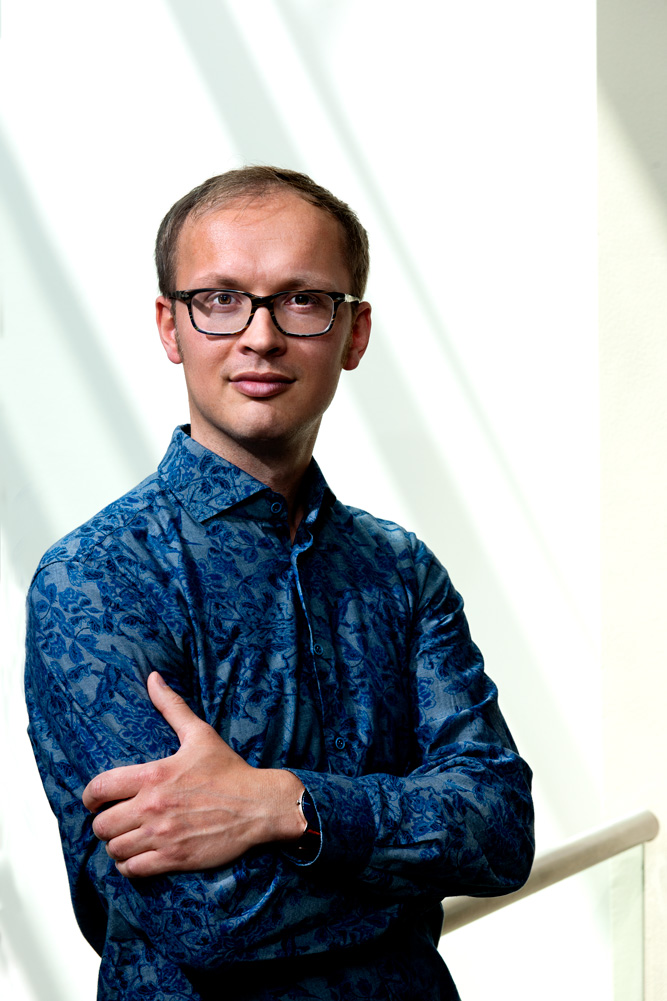
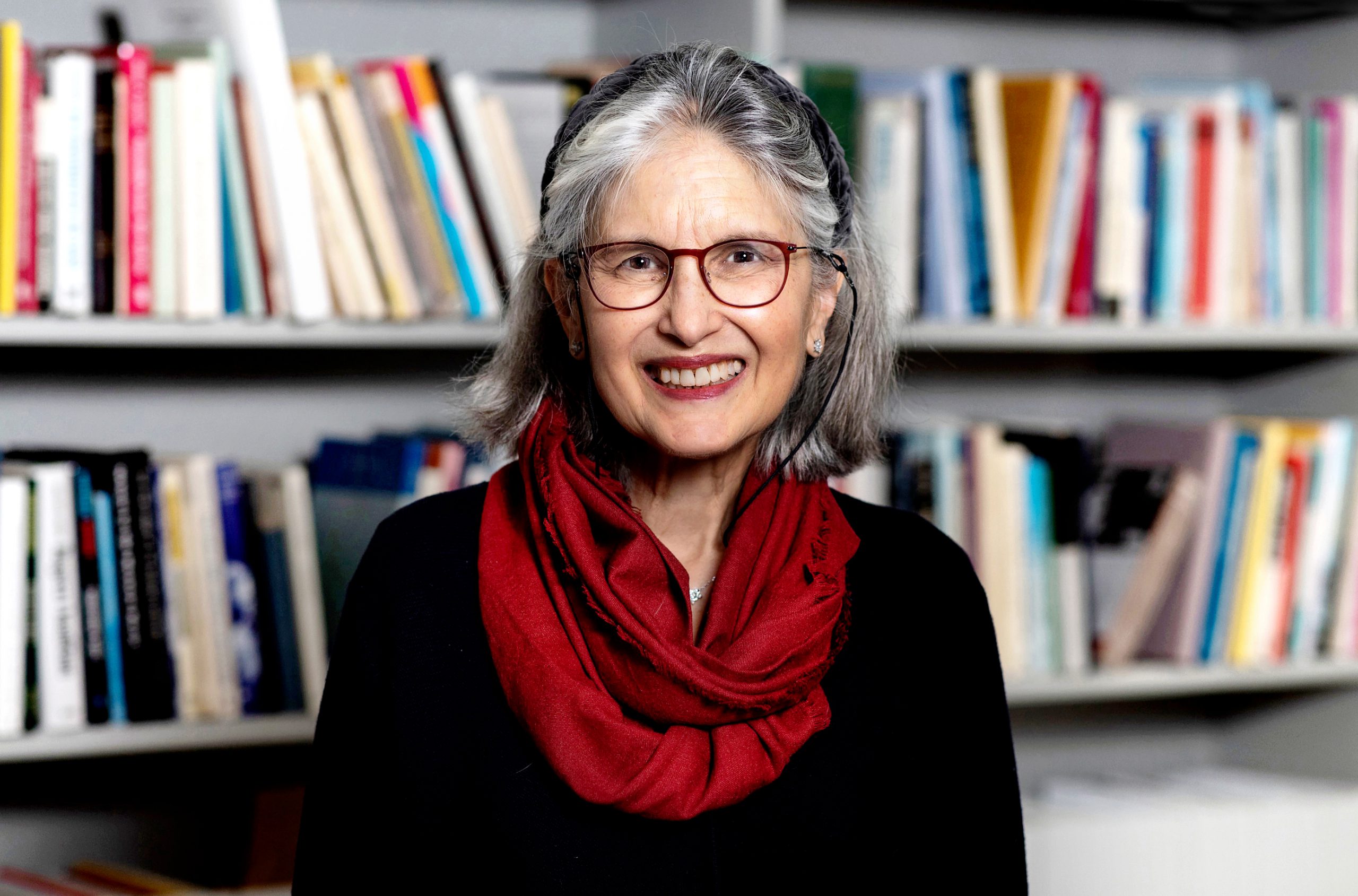
Lorraine Daston

2022-06-03T11:04:50+02:00

The Royal Netherlands Academy of Arts and Sciences has awarded the Dr A.H. Heineken Prize for History 2020 to Lorraine Daston, director emerita of the Max Planck Institute for the History of Science (MPIWG) in Berlin and visiting professor at the University of Chicago. Daston is receiving the prize for her study of the development of the concept of objectivity and the transformation she has brought about in the history of science.

Daston offers new perspective on “truth” and “objectivity” in science
Lorraine Daston is considered one of the most eminent historians of her generation. From the outset, her publications have had a major influence on the research agenda in the discipline of the history of science. She has shown how the scientific approach to acquiring knowledge is highly dependent on the period in which it is developed. Her entire work is an investigation and clarification of the moral economy of science.

History of objectivity
Wonders and the Order of Nature 1150-1750 (1998), the book Daston wrote together with Katharine Park, investigates the role of passions such as wonder, curiosity, pleasure, or horror in the study of nature. It opened up the discipline of the history of science to cultural history, the arts and literature, philosophy, sociology and anthropology, and led to the authors receiving the Pfizer Prize.

In the also award-winning Objectivity (2007), Daston and co-author Peter Galison studied the historical development of what were considered to be the right ways to acquire knowledge, from the eighteenth century to the present day. They did so on the basis of illustrations in scientific atlases from a wide range of disciplines. In their book, which was widely acclaimed in both the humanities and the hard sciences, the authors show that the core scientific concept of “objectivity” has a history and that principles regarding the formation of knowledge have developed in interaction with ideas about what characterises a scientific researcher.

In 2018 Daston published her essay Against Nature, in which she attempts to explain why people appeal to nature in order to justify moral arguments. We view nature as a model and ideal, from which we wish to derive standards and values. Deviations from natural order are considered unnatural and often wrong. According to Daston, this is a persistent misconception: all standards are based on an order, but nature is too multiform for us to derive a clear-cut order from it.

Rules and the modernity of science
Daston’s current projects include a “history of rules”, which traces how rules evolved from models to algorithms over many centuries. She is also re-examining the relationship between science and modernity, posing the question how the sciences and modernity became so strongly associated with each other, and with what consequences for their public image.

About the laureate
Lorraine Daston was born in East Lansing, Michigan in 1951. She studied the history of science and philosophy at Harvard University and the University of Cambridge. She has held various visiting positions, including in Paris, Vienna, Oxford, and Chicago. From 1990 to 1992, she was a professor and director of the Institute for the History of Science at the Georg August University of Göttingen (Germany). For the next five years, she was Professor of History and History of Science at the University of Chicago. From 1995 to 2019 she was the director of the Max Planck Institute for the History of Science in Berlin. Although she now officially holds emerita status, Daston is still very active in both Berlin and at the University of Chicago.

Her work has been recognised by numerous awards. She received the Pfizer Prize on two occasions, the Sarton Medal of the History of Science Society, the Schelling Prize of the Bavarian Academy of Sciences and Humanities, the Lichtenberg Medal of the Göttingen Academy of Sciences and Humanities, and the Luhmann Prize of the University of Bielefeld. In 2018 she received the Dan David Prize. Daston is a member of several academies including Académie Internationale d’Histoire des Sciences (Paris) and the American Academy of Arts and Sciences.
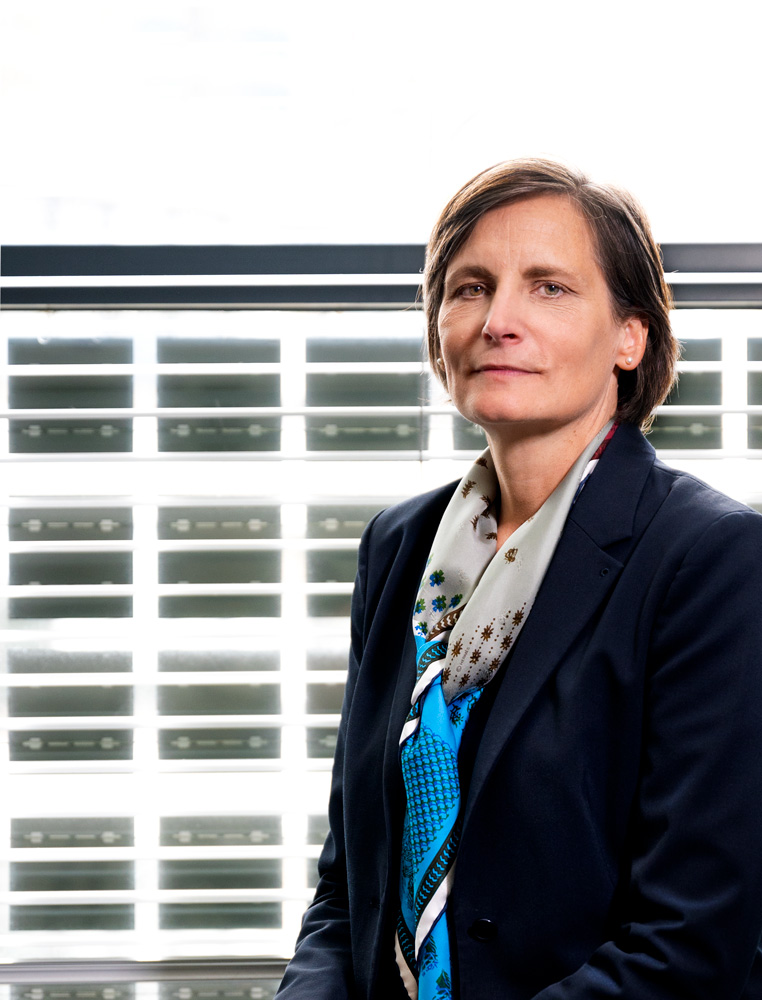
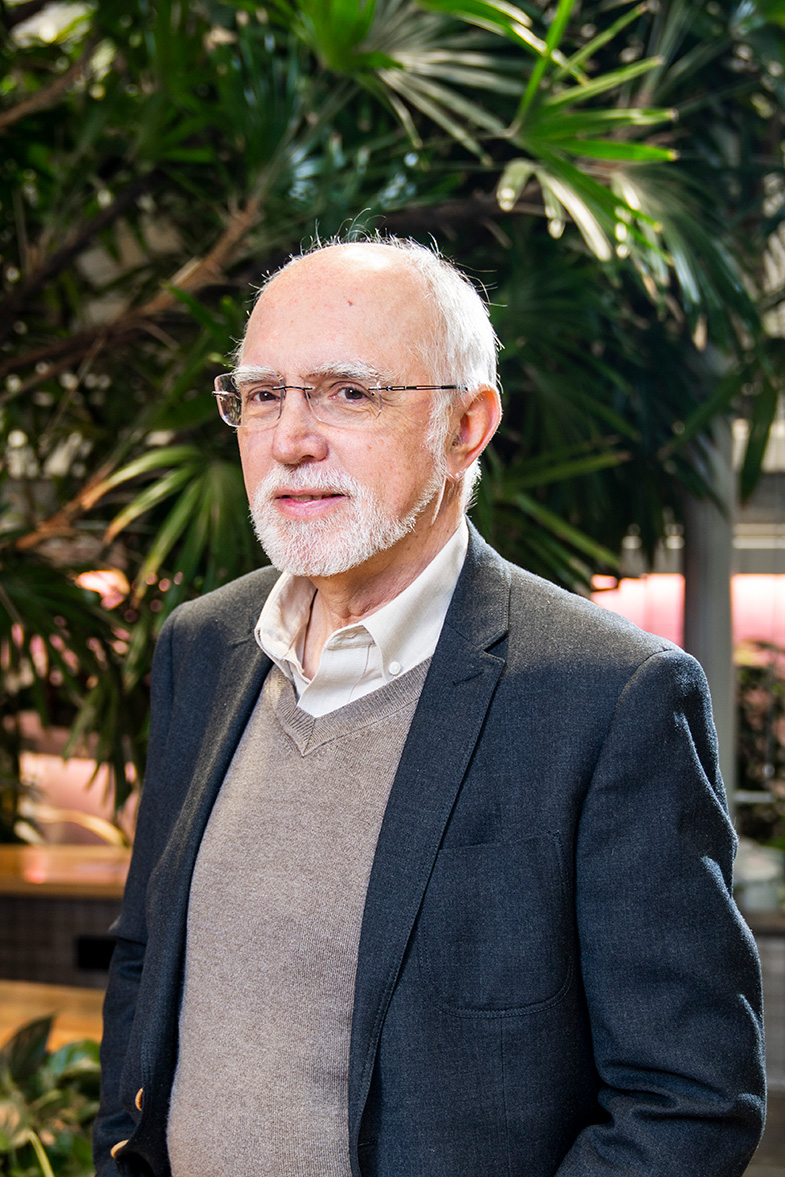
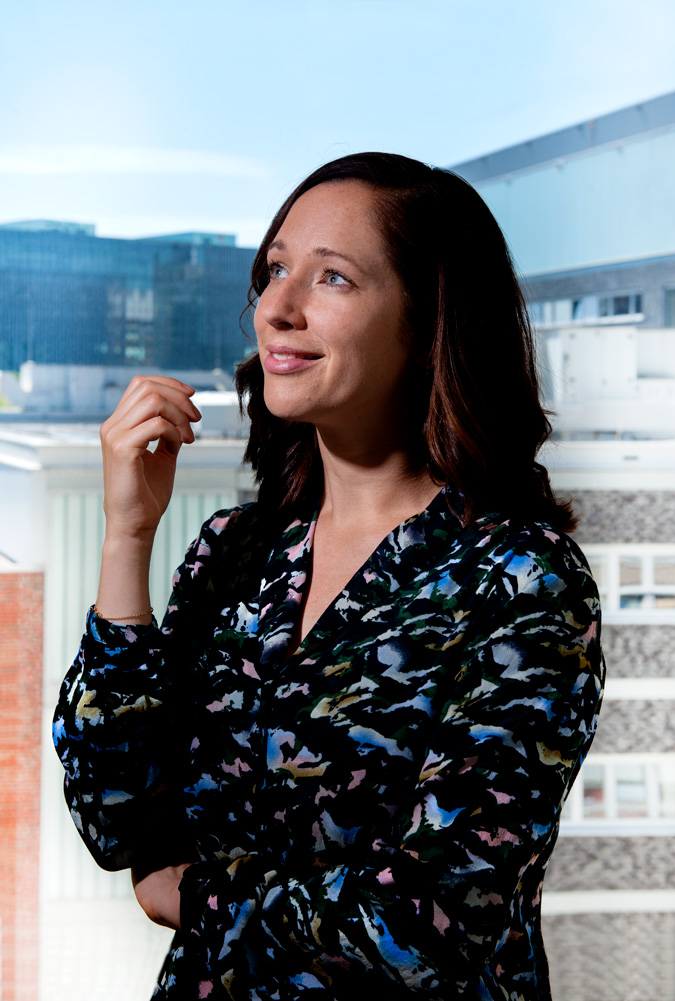
Corinne Le Quéré

2022-06-08T10:46:37+02:00

The Royal Netherlands Academy of Arts and Sciences has awarded the Dr A.H. Heineken Prize for Environmental Sciences 2020 to Corinne Le Quéré, Royal Society Research Professor of Climate Change Science at the University of East Anglia (Norwich, England).
Le Quéré is receiving the prize for her interdisciplinary research on the interaction between climate change and the carbon cycle.

Le Quéré shows impact of climate change on CO2 uptake in the oceans
Corinne Le Quéré has meticulously kept track of the role of the oceans in absorbing carbon dioxide (CO2) by charting the processes involved. Human activities such as burning fossil fuels and deforestation now cause annual emissions of 43 gigatonnes of CO2 into the atmosphere. About 30% of this is absorbed by trees and plants. The world’s oceans absorb about 25% because CO2 dissolves in water at the air-sea interface and is transported to the deep ocean by currents. The remaining 45% stays in the atmosphere and causes climate change.

Together with colleagues, Le Quéré has identified why the amount of CO2 in the atmosphere varies on different timescales. Some of the variations are caused, for example, by changes in marine productivity during ice ages and by changes in oceanic CO2 uptake from varying ocean currents. Le Quéré was the first to identify a possible weakening in CO2 uptake in the Antarctic Ocean associated with ozone depletion, and to quantify the impact of climate change and variability on global CO2 uptake in the oceans in recent decades.

Le Quéré is the Chair of France’s High Council on Climate, an independent advisory body set up by President Macron to advise the French government on how to deal with climate change. During the corona crisis, the High Council presented eighteen recommendations to learn from the crisis, better prepare and reduce the risks of future health and climate crises. Le Quéré argues that the pandemic and climate change share common causes, in particular the untenable pressure we exert on the natural environment.

About the laureate
Corinne Le Quéré was born in Canada in 1966 and holds British, French, and Canadian nationality. She graduated with a bachelor’s degree in physics from the University of Montreal in 1990. She received her master’s degree in Atmospheric and Oceanic Sciences from McGill University (Montreal) two years later. She completed her PhD research in oceanography at the Sorbonne University in Paris in just 2½ years. She conducted research at the Max Planck Institute for Biogeochemistry (Germany), then directed the Tyndall Centre for Climate Change Research before she was appointed Royal Society Research Professor of Climate Change Science at the School of Environmental Sciences at the University of East Anglia (Norwich, England) in 2019.

In 2004, Le Quéré initiated the annual publication of the Global Carbon Budget, an international initiative of the Global Carbon Project to provide up-to-date information on carbon emissions and their distribution among the atmosphere, land, and oceans, including their main drivers. These publications have a major impact on climate science and climate policy. Le Quéré is the author of the third, fourth, and fifth reports of the Intergovernmental Panel on Climate Change (IPCC).

Robert Zatorre

2022-06-08T10:47:53+02:00

The Royal Netherlands Academy of Arts and Sciences has awarded the C.L. de Carvalho-Heineken Prize for Cognitive Science 2020 to Robert Zatorre, Professor of Neuroscience at McGill University in Canada and researcher at The Neuro (Montreal Neurological Institute-Hospital). Zatorre is receiving the prize for his contribution to the discipline of music cognition. He studies how our nervous system ensures that we can make and enjoy music.

Zatorre sets the tone for scientific approach to music
Robert Zatorre has made ground-breaking discoveries about the way people perceive sound, especially speech and music, the most important modes of human communication. Understand­ing how our brain processes music and speech will teach us more about how the brain works. Zatorre is one of the pioneers in the field of music cognition.

Impact of music
In February this year, leading journal Science published Zatorre’s findings that the brain’s left hemisphere processes the lyrics of songs, while the right hemisphere registers the melody. Researchers have known for a long time that damage to the left hemisphere affects under­stand­ing of speech and that damage to the right hemisphere means that you can’t hear music properly. Zatorre’s group recently discovered why that is, using fMRI scans to show that each hemisphere is specialized for distinct acoustical features of sounds that are relevant for speech or music.

In another much-discussed series of studies, he and his students showed that the reward system in the brain is activated when people listen to emotional music. He subsequently discovered that when people listen to “emotional peak moments” in music — moments when they feel a “shiver of pleasure” — brain cells release the neurotransmitter dopamine.

The brain releases dopamine during behaviour that is essential for survival, such as eating, but also when listening to music, which is not in fact necessary for survival. Zatorre currently studies whether music can help us cope better with the stress caused by the Covid-19 pandemic.

Application of music processing
Zatorre took the lead in research in this field by combining the application of cognitive neuro­science with the study of music processing. He and his team have worked on the idea that musical training helps people to understand better what another person is saying (i.e. speech processing). He showed that musicians have a stronger coupling of auditory and motor areas than non musicians when processing speech, especially in noisy conditions. These findings might be relevant for alleviating speech perception problems (i.e. problems with processing what another speaker is saying). These problems are more often faced by the elderly and by people with hearing impairments.

About the laureate
Robert Jorge Zatorre was born in Buenos Aires in 1955 and studied psychology and music at Boston University. He also trained as an organist. He held a postdoc position at the Montreal Neurological Institute in Canada and worked as a neuropsychologist at the Montreal Neurological Hospital for several years. In 2006, together with Isabelle Peretz, he founded the International Laboratory for Brain, Music and Sound Research (BRAMS) in Montreal. His lab is dedicated to the neuroscience of auditory cognition, especially music.

Zatorre has received various awards for his work, including the IPSEN Foundation Neuronal Plasticity Prize, the Hugh Knowles Prize, and the Oliver Sacks Award. He has been a member of the Royal Society of Canada since 2017.

Video

Robert Zatorre — Neuroscientist

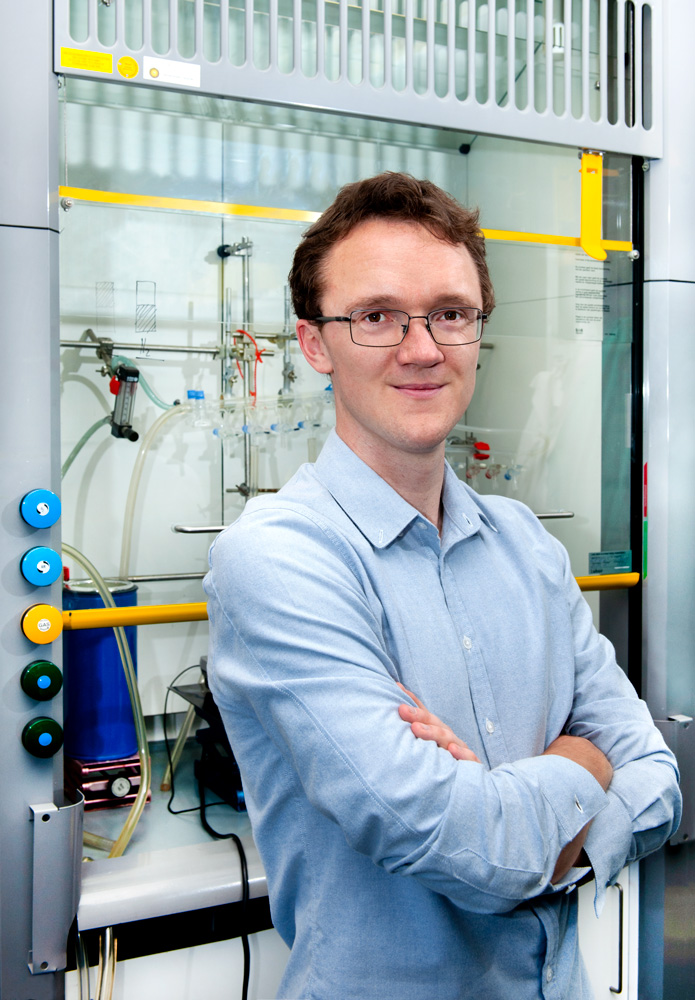
Meta Roestenberg

2022-07-12T16:50:44+02:00

The Royal Netherlands Academy of Arts and Sciences has awarded the Heineken Young Scientists Award in the Medical/Biomedical Sciences 2020 to Meta Roestenberg, an internist-infectiologist at Leiden University Medical Centre. She is receiving the award for her research on the development of a malaria vaccine.

The jury describes Meta Roestenberg as an international pioneer in the field of human infection models for the development of vaccines against poverty-related infectious diseases. The research involves healthy subjects being infected with, for example, malaria parasites while receiving a candidate vaccine, so that the researchers can safely investigate the efficacy of the vaccine. Roestenberg is someone who has been able to accelerate development of new vaccines and medication for malaria in an unrivalled manner. Her research is clinically challenging and highly innovative from the scientific perspective. She is a true university researcher; highly active in the research, teaching and clinical fields, with a view to applying innovations in patient care both in Europe and beyond.

Research on a malaria vaccine
Together with colleagues in Nijmegen, Roestenberg developed a candidate vaccine using malaria parasites that have been genetically modified. As a result, the parasites are unable to develop effectively in the body of the host, namely humans. These do not fall ill, but their immune system does thus come into contact with the parasite, meaning that they develop immunity. Because the parasites cannot develop properly, the infected person can then not act as a source of infection for new mosquitoes that can go on to spread the disease. The candidate vaccine developed by Roestenberg and her colleagues is the first genetically modified vaccine in the world. It was announced in May this year that it works reasonably well but not yet optimally. Roestenberg will carry out further development in the coming years.
With some 228 million cases and more than 400,000 deaths each year, malaria is one of the world’s most serious infectious diseases, affecting young children in particular. The deadliest form of malaria is caused by a single-celled parasite, Plasmodium falciparum, which is transmitted from person to person by mosquitoes. Over the past five years, the number of deaths has been rising again. A vaccine can be a decisive factor in combatting the disease, but even after decades of research, there is only a single vaccine that is now being tested in three African countries and is not yet optimally effective.

About the laureate
Meta Roestenberg studied medicine at Maastricht University, graduating cum laude in 2004. She did internships in countries including India, Namibia, and the Philippines. She also completed her PhD research at Radboud Universiteit in Nijmegen cum laude. In her dissertation she showed that if healthy volunteers are bitten by malaria mosquitoes and at the same time receive malaria medication, they are protected against the disease for a lengthy period.
In parallel with her PhD programme Roestenberg specialised as an internist-infectiologist. Since 2014, she has combined clinical work in travel medicine and tropical diseases at Leiden University Medical Centre (LUMC) with research on new vaccines for infectious diseases that have a major impact on global health, such as schistosomiasis (bilharzia), hookworms, and clostridium. She also heads the Leiden Controlled Human Infection Center.
Roestenberg is an internationally recognised expert in the field of human infection models and vaccine development. She is also a highly sought-after speaker, a member of the WHO’s malaria vaccine Advisory Committee, and a contributor to global (ethical) guidelines for these complex clinical trials.

Video

Meta Roestenberg

Mark Dingemanse

2022-09-05T09:58:48+02:00

The Royal Netherlands Academy of Arts and Sciences has awarded the Heineken Young Scientists Award in the Humanities 2020 to Mark Dingemanse, a linguist at Radboud University Nijmegen. Dingemanse is receiving the award for his research into why languages are the way they are and how using language makes us human.

Mark Dingemanse’s work enjoys international acclaim. The jury praises the way he raises unconventional questions on the “margins” of linguistics, his dedication to open science — making data and methods of analysis freely available to other researchers — and his efforts in communicating science to a wide audience. He has, for example, organised various public events about linguistics and is the co-founder of Stemmen van Afrika [Voices of Africa], a website on the linguistic diversity of Africa.

Research on language
Dingemanse’s research addresses major questions: What do we do with language? What does language do with us? Why are languages the way they are? His work tends to deal with matters that have so far escaped the attention of linguistics, and it therefore regularly leads to new insights. He investigates, for example, the unwritten rules of language, studying words and signals that everyone uses all the time without thinking, like “m-hm,” “huh?”, or “oh!”. Those little words are perhaps the key to our language ability and our social life: without such rapid metacommunication, conversations would constantly get stuck. Dingemanse attempts to discover where such words come from and what their influence is on the structure of language.
His research is primarily fundamental but is also relevant to all kinds of social developments. We are talking more and more to devices, such as the iPhone’s Siri and Google Nest. For this to run smoothly, we need to know more about the structure of conversations, and preferably about their universal structure, i.e. not just limited to a few European languages. Dingemanse’s research can contribute to this.
Another one of his studies focuses on iconicity: how words and gestures can portray meaning. His work in this field reveals why some words are easier to learn than others and what is involved in relating something “with all the smells and colours”. A related line of research focuses on synaesthesia, i.e. how the senses are intermingled with one another. In the course of het Groot Nationaal Onderzoek naar Taal en Zintuigen [the National Survey on Language and the Senses], for example, he and his colleagues discovered that almost everyone — whether they are a synaesthete or not — connects vowels with colours in the same way (for example, “aah” is almost always red and “ee” is lighter than “oo”). Associations like these show how our brain processes sounds.

About the laureate
Mark Dingemanse studied African languages and cultures at Leiden University. He carried out research for his PhD in Ghana, receiving his doctorate cum laude in 2011 at Radboud University Nijmegen. That work contributed to a fundamental shift in research on the relationship between form and meaning in language; in recognition, Dingemanse received the AVT/Anéla Dissertation Award and an Otto Hahn Medal.
He followed up his PhD research by working at the Max Planck Institute for Psycholinguistics in Nijmegen, where he directed a series of interdisciplinary research projects. Since 2018 he has been an associate professor in the Department of Language and Communication at Radboud University, where he leads his own research group. He is also an affiliate research fellow at the Donders Institute for Brain, Cognition and Behaviour in Nijmegen.
Dingemanse has received various grants, including VENI and VIDI grants from the Dutch Research Council (NWO), and in 2017 was in the top 25 of “talented young scientists” listed by the Dutch edition of New Scientist. In 2015 he and two colleagues were awarded an Ig Nobel Prize “for discovering that the word ‘huh?’ (or its equivalent) seems to exist in every human language”. The Ig Nobel Prizes are awarded for “science that makes you laugh, then think”. The study had already received worldwide media attention.

Video

Mark Dingemanse

Freddy Rabouw

2022-09-05T10:08:06+02:00

The Royal Netherlands Academy of Arts and Sciences has awarded the Heineken Young Scientists Award in the Natural Sciences 2020 to Freddy Rabouw, a physicist/chemist at Utrecht University. Rabouw is receiving the prize for his research on new materials to generate light, for example for solar cells or display screens.

The jury describes Freddy Rabouw as a highly productive researcher who is already an inter­nationally respected authority in his field. He is an inspiration for the master’s degree and PhD students in his group and a gifted instructor, who has already received a prize from his students for his teaching.

Research on materials for light
Rabouw investigates new materials to generate light, for example for solar cells or display screens. The materials he studies are mainly nanocrystals of only a few thousand atoms in size. What he is attempting to understand is how such a nanocrystal can efficiently convert one colour of light into another. This is fundamental research, but with various applications. For example, semiconductor nanocrystals, also known as “quantum dots”, are used in the latest generation of televisions. The challenge, for example, is to narrow down the colour spectrum of the light that is emitted so that the television can display more highly saturated colours, which then appear clearer and brighter. It is difficult, however, to narrow down the colour spectrum if the various nanocrystals are only very slightly different and therefore all emit a slightly different colour light. Dr Rabouw is attempting to identify such differences in properties between nano­crystals, and thus understand what causes these differences.
His work may also have applications in the search for sustainable energy solutions. A certain type of nanocrystal is based, for example, on rare-earth metals, making possible highly exceptional colour conversions. Some can absorb infrared light and then emit visible light. This is exceptional, because infrared light contains less energy per photon than visible light. This property is very useful in the case of solar cells because sunlight contains a large amount of infrared light, which solar cells cannot use to generate electricity. By first using nanocrystals to convert the infrared light into visible light, the solar cell can generate more electricity.

About the laureate
Freddy Rabouw studied chemistry at Utrecht University, receiving his master’s degree (on Nanomaterials: Chemistry & Physics) cum laude. He also gained his PhD in Utrecht cum laude for his research on nanomaterials, after which he spent two years at ETH Zurich with the aid of a Rubicon grant from the Dutch Research Council (NWO). He returned to Utrecht University as an assistant professor in 2017.
Rabouw has received a number of awards and grants for his work, for example a VENI grant from NWO in 2017 and in 2019 an NWO “KLEIN” fundamental research grant (ENW-KLEIN).

Video

Freddy Rabouw

Anna van Duijvenvoorde

2022-09-05T10:11:48+02:00

The Royal Netherlands Academy of Arts and Sciences has awarded the Heineken Young Scientists Award in the Social Sciences 2020 to Anna van Duijvenvoorde, a developmental psychologist at Leiden University. Van Duijvenvoorde is receiving the award for her research on the development of the brain and behaviour in adolescents.

The jury describes Anna van Duijvenvoorde as an outstanding researcher who is able to make her work accessible to a wider group of interested parties. She is curious and innovative, but also a bridge-builder who is part of an impressive network of top researchers. She inspires and supports young scientists. Above all, she is a researcher who dares to steer her own course, qualities that are indispensable for carrying out challenging top-class research and training young researchers.

Research on development of the brain
Van Duijvenvoorde’s research investigates how the brain and behaviour of teenagers change. During teenage years, the brain undergoes an important development. In this phase we learn to empathise better with others, and our peers become more important. Van Duijvenvoorde wants to know how these changes affect the choices that teenagers make. She attempts
to answer such questions as: Why teenagers do find unfamiliar risks interesting? How do they discover who they can trust? And what motivates them? Her work involves fundamental research but can have important social applications. For example, her research on how young people learn can help understand the impact of online education during the corona crisis.

About the laureate
Anna van Duijvenvoorde studied psychology at the University of Amsterdam, graduating cum laude in 2007. She also completed her PhD research in developmental psychology cum laude. While working on her PhD, she spent several months in New York, doing research at Colombia University and at the Sackler Institute for Developmental Psychobiology. Since 2019, she has been an associate professor in the Developmental and Educational Psychology Unit at Leiden University.
Van Duijvenvoorde has received numerous major grants for her research, including a Sara van Dam project grant from the Academy and an Open Research Area grant from the Dutch Research Council (NWO).

Video

Anna van Duijvenvoorde

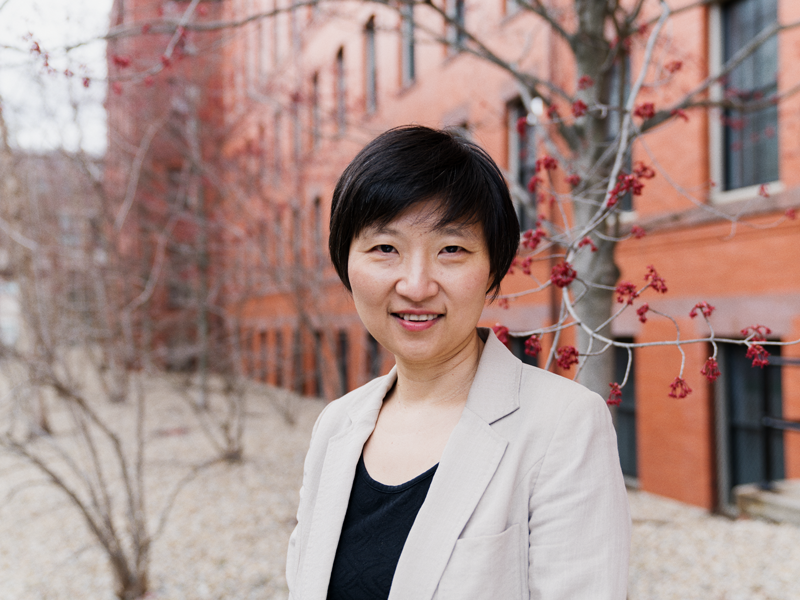
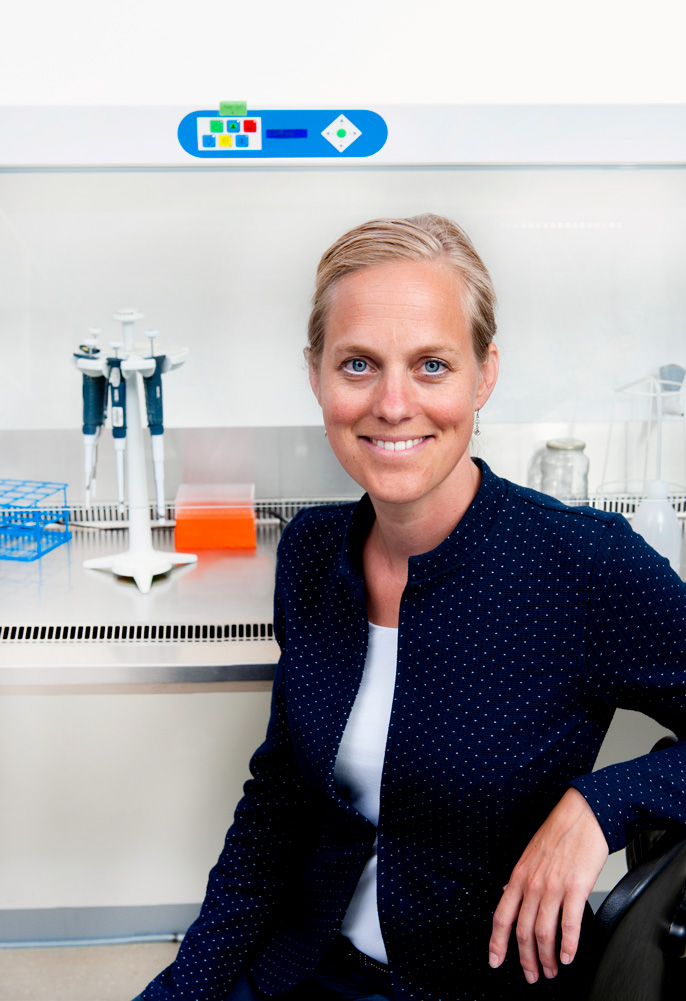
Xiaowei Zhuang

2022-08-01T15:00:54+02:00

The Royal Netherlands Academy of Arts and Sciences has awarded the Dr H.P. Heineken Prize for Biochemistry and Biophysics 2018 to Xiaowei Zhuang, Professor of Physics, Chemistry and Chemical Biology at Harvard University in Cambridge (USA).

Examining the behaviour of molecules in living cells
Xiaowei Zhuang received the Dr H.P. Heineken Prize for Biochemistry and Biophysics for her groundbreaking work on developing high-resolution imaging methods and their use in investigating a variety of fundamental biological problems.
Xiaowei Zhuang uses revolutionary imaging methods with single-molecule sensitivity to visualise what happens deep inside living cells. Thanks to the pioneering work of Zhuang and her team, it is now possible to visualise and track the behaviour of virions, RNA molecules and cytoskeleton filaments in living cells.
Her work builds on her own invention, STochastic Optical Reconstruction Microscopy (STORM), one of the first and most popular methods of ‘super-resolution’ imaging, which overcomes the diffraction limit of light to produce much sharper images than possible in conventional light microscopy and on a vast scale.
STORM uses fluorescent dyes that are activated at different times, making it possible to localise individual molecules and thus generate images of hitherto undreamed-of clarity.
Zhuang’s paper announcing her invention of STORM in 2006 was a milestone in the development of super-resolution microscopy. Zhuang herself is pioneering the application of such methods and using them to seek answers to longstanding, fundamental questions about the machinery of biological cells.

Researcher
Xiaowei Zhuang was born in Rugao (China) in 1972. She studied in China for several years but moved to the United States after receiving her Bachelor’s in Physics in 1991. She obtained her PhD from the University of California in Berkeley in 1996 and conducted her thesis research on non-linear optical studies of liquid crystals and polymers under the supervision of Dr Yuen-Ron Shen.
Zhuang continued her career as a Chodorow Postdoctoral Fellow in the laboratory of Dr Steven Chu at Stanford University. She arrived at Harvard University in Cambridge in 2001 and accepted a position there in 2005 as a Howard Hughes Medical Institute Investigator.
In 2014, Zhuang was appointed David B. Arnold Professor of Science at Harvard University and a year later became Director of the university’s Center for Advanced Imaging.
Zhuang is a member of the US National Academy of Sciences and the American Academy of Arts and Sciences. She has received many honours and awards, including the Sackler International Prize in Biophysics (2011) and the Lennart Nilsson Award (2017). In 2017, she was awarded an honorary doctorate by Delft University of Technology.
Video

Video interview with Xiaowei Zhuang, laureate of the Dr H.P. Heineken Prize for Biochemistry and Biophysics 2018

Introduction to the work of Xiaowei Zhuang, laureate of the Dr H.P. Heineken Prize for Biochemistry and Biophysics 2018

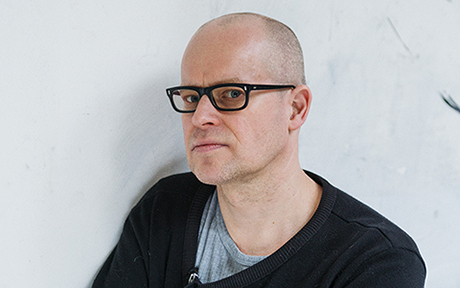
Erik van Lieshout

2022-08-01T16:31:45+02:00

Dutch visual artist Erik van Lieshout has been selected as laureate of the Dr A.H. Heineken Prize for Art 2018. The jury for the Dr A.H. Heineken Prize for Art has praised Erik van Lieshout’s work for its radical, personal and confrontational nature.

Art
In his unique, tragicomic style, Van Lieshout puts his finger on what ails society. His work never flags, continues to grow and is pure: he is not out to preach. He enters into dialogue with groups who others often give a wide berth: ghetto-dwellers, junkies, drifters, and right-wing or left-wing extremists. He raises questions about drugs, sex, violence and overregulation. There is no taboo or danger that Erik van Lieshout tries to avoid; on the contrary, he makes a beeline for them and tries to find a dialogue.

Artist
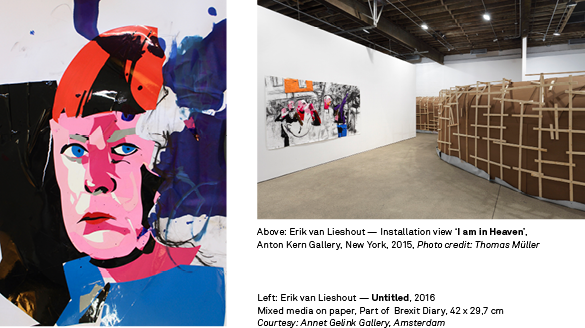
Erik van Lieshout (born in Deurne in 1968) lives and works in Rotterdam. He studied at the Academy of Art and Design in ‘s Hertogenbosch and Ateliers ’63 in Haarlem (1990-1992). His work consists of drawings, collages, sculptures and videos, often combined into multimedia installations. He always features in his own videos.
 ‘Erik van Lieshout explodes into our consciousness,’ was how one reviewer recently described Van Lieshout’s exhibition I am in Heaven (Anton Kern Gallery, 2015). As a Manifesta 10 artist (2014), he spent two months overhauling the basement of the Hermitage Museum in St Petersburg, along with the seventy or so stray cats that live there. He sketched and filmed the process. While it appears to document the overhaul, Van Lieshout’s film The Basement (2014) is really about Russia under Putin, gay rights, the seizure of the Crimea, censorship and Pussy Riot. This short film was projected in a 50-metre-long tunnel made of plywood and carpet and lined with copies of politically charged sketches and photographs of the cats in the basement. Clips of this work reappear in his longer film WORK (2015). Viewers are overwhelmed by a whirlwind of images, impressions, snippets of text, animations, crudely fashioned props, raw charcoal drawings and film images shot with a handheld camera that show Van Lieshout talking to himself and others about idealism, utopia, harsh reality and the position that an uncompromising artist tries to claim in all of it. His work can be found in Dutch and international private and museum collections, including the MoMa in New York. In 2003, he was selected to be the Dutch entry for the Venice Biennale.

Works of art

Video

Introduction to the work of Erik van Lieshout, laureate of the Dr A.H. Heineken Prize for Art 2018

Fragment of Work by Erik van Lieshout (2015)

Fragment of Die Insel by Erik van Lieshout (2016)

Fragment of G.O.A.T. by Erik van Lieshout (2017)

Peter F.M. Carmeliet

2022-08-01T17:58:37+02:00

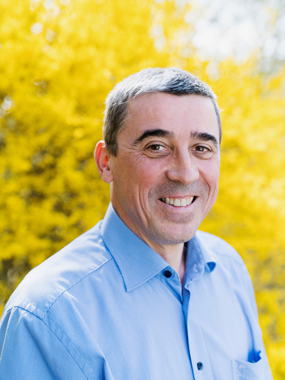
The Royal Netherlands Academy of Arts and Sciences has awarded the Dr A.H. Heineken Prize for Medicine 2018 to Peter Carmeliet, Professor of Medicine at the University of Leuven (Belgium).

The effects of growth factors on blood vessels and nerve cells
Peter Carmeliet received the Dr A.H. Heineken Prize for Medicine for his research into the effects of growth factors on endothelial and nerve cells and for his efforts to develop treatments for vascular and neurological disorders based on his research findings.
Peter Carmeliet is world-renowned for his studies on growth factors and their effects, both in health and disease. For several decades now, he has been at the forefront of research investigating how growth factors control vascular endothelial cells at the molecular level.
Carmeliet studied vascular endothelial growth factor (VEGF) in particular and discovered that it also affects the growth of nerve fibres (axons). He discovered that placental growth factor (PIGF) affects the development of blood vessels and nerve bundles in embryos but also plays an important role in amyotrophic lateral sclerosis (ALS) and other neurodegenerative diseases.
More recently, Carmeliet showed how vascular endothelial cells regulate the transport of fatty acids and sugars to underlying tissues, thereby playing a critical role in cardiovascular diseases and cancer.
Basic research of this kind may eventually lead to new therapeutic interventions, for example in the treatment of paediatric brain tumours, metastasis and neurodegeneration. Carmeliet is also attempting to develop new therapies based on his research into PIGF. The antibodies that he has developed are currently being tested clinically in patients with medulloblastoma and diabetic retinopathy.

Researcher
Peter Carmeliet was born in Leuven, Belgium, in 1959. While studying medicine at Leuven, he also trained at the University of Maryland in Baltimore (USA) and the University of California in San Francisco (USA). He received his PhD from the University of Leuven in 1989.
Carmeliet’s post-doctoral appointments include positions at Harvard Medical School (Boston, USA), the Whitehead Institute at MIT (Cambridge, USA), the University of Leuven, and the University of Brussels.
He founded his own research group in Leuven in 1996 and was appointed a full professor there in 1998. The following year, he was appointed professor at Maastricht University. From 2008 to 2015, he was Director of the Centre for Cancer Biology (CCB) at the Flanders Interuniversity Institute for Biotechnology (VIB). There are now more than sixty researchers in his group.
Carmeliet is a member of the German National Academy of Sciences Leopoldina and the Royal Netherlands Academy of Arts and Sciences. His many awards and honours include the Ernst Jung Medical Award (2010), the Joseph Maisin Prize for Excellence (2010) and the European Academy of Sciences’ Blaise Pascal Medal in Medicine and Life Sciences (2011). He has an honorary doctorate from Johann Wolfgang Goethe University in Frankfurt (Germany).
Video

Video interview with Peter Carmeliet, laureate of the Dr A.H. Heineken Prize for Medicine 2018

Introduction to the work of Peter Carmeliet, laureate of the Dr A.H. Heineken Prize for Medicine 2018

Go to Top