Portfolio

Carolyn Bertozzi

2024-06-11T09:16:49+02:00

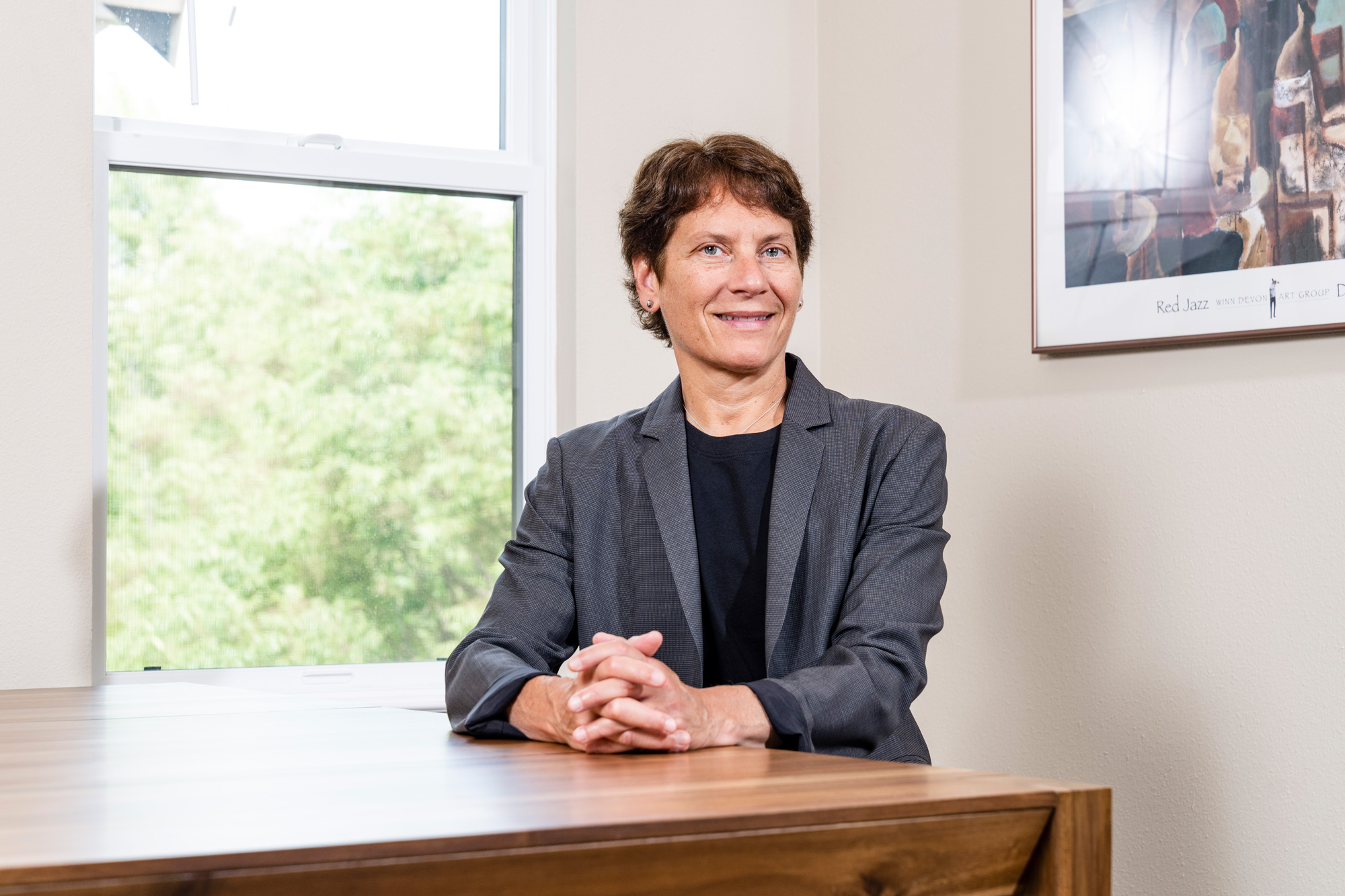
Carolyn Bertozzi, professor of Chemistry and, by courtesy, Chemical & Systems Biology at Stanford University, will be awarded the Dr H.P. Heineken Prize for Biochemistry and Biophysics 2022. The award honours Bertozzi’s ground-breaking research into communication between cells and methods of influencing this communication.

The Heineken Prizes are the Netherlands’ most prestigious international science prizes. Every two years they are awarded to five distinguished researchers. The Royal Netherlands Academy of Arts and Sciences is responsible for the nomination and selection process. During the first week of June, a 2022 laureate will be announced every weekday. Previous laureates of the Dr H.P. Heineken Prize for Biochemistry and Biophysics include Bruce Stillman (2020), Xiaowei Zhuang (2018) and Jennifer Doudna (2016). The award was established in 1964 by Alfred H. Heineken.

About the study
Our cells communicate with each other through molecules on the cell surface. Sugar molecules, also known as glycans, play an important role in this process. Bertozzi is developing chemical methods to study and influence the cell surface. Immune cells, for example, can tell from these sugars whether a cell is healthy or diseased. Amongst other things, her research shows that cancer cells fool immune cells by presenting a specific sugar molecule on the cell surface. With techniques from her lab, these sugar molecules can be ‘mowed down’, making immune cells recognise the cancer cells as dangerous and attack them. This is a major breakthrough in the treatment of cancer through immunotherapy that is currently being tested in patients.

Recent development
Recently, Bertozzi’s group discovered a new strategy to attack harmful extracellular molecules that cause disease. Conventional drugs for this often consist of monoclonal antibodies, which block harmful molecules by binding to them. But with some harmful molecules, this does not work. That is why Bertozzi and colleagues developed a way to not just block these molecules, but to ensure that they are taken into a cell and completely broken down there.

Jury praises Bertozzi’s role as founder of a new field
Bertozzi has developed more techniques to affect the cell surface and the inside of the cell, in living animals, grouped together under the name ‘bioorthogonal chemistry’. Bioorthogonal chemistry, founded by Bertozzi, has developed into a major field of study. Laboratories all over the world use these techniques to study and influence interactions between cells. The jury, chaired by Albert Heck, professor of chemistry and pharmaceutical sciences at Utrecht University, calls this concept one of the few truly transformative developments at the interface of chemical and life sciences. Bertozzi bridges the gap between chemistry and biology as well as between the laboratory and the patient. This proves her great contribution to translational research, in which she is a pioneer in the translation of results from fundamental research to practical application.

Role model for LGBTQ+ in science
In addition to her work as a brilliant chemist, the jury has praised Bertozzi’s activities regarding education for science and society, calling her an inspiring teacher, a successful entrepreneur, and a tireless advocate for the importance of science in everyday life as well as diversity in science. In particular her support of women and LGBTQ+ scientists. In addition, her research results are finding their way into medical applications.

About Carolyn Bertozzi
Carolyn Bertozzi (Boston, 1966) studied chemistry at Harvard University in the United States. She received her Ph.D., also in chemistry, from the University of California (UC) Berkeley in 1993. In 2002, she was appointed professor of Chemistry and Molecular Cell Biology there. In 2015, she moved from UC Berkeley to Stanford University and became professor of Chemistry and, by courtesy, of Chemical & Systems Biology. Her scientific work forms the basis of more than fifty patents and she is co-founder of several biotech companies, where her research results find their way into medical applications. In addition to the Dr H.P. Heineken Prize for Biochemistry and Biophysics, awards Bertozzi has received include the Wolf Prize, the Nagoya Medal, and the Solvay Prize.

Video

Carolyn Bertozzi – Chemist

Video

Lecture Carolyn Bertozzi – Dr H.P. Heineken Prize for Biochemistry and Biophysics 2022

Interview with Lorraine Daston

2022-04-26T16:04:10+02:00

Our scientific society is historically rare

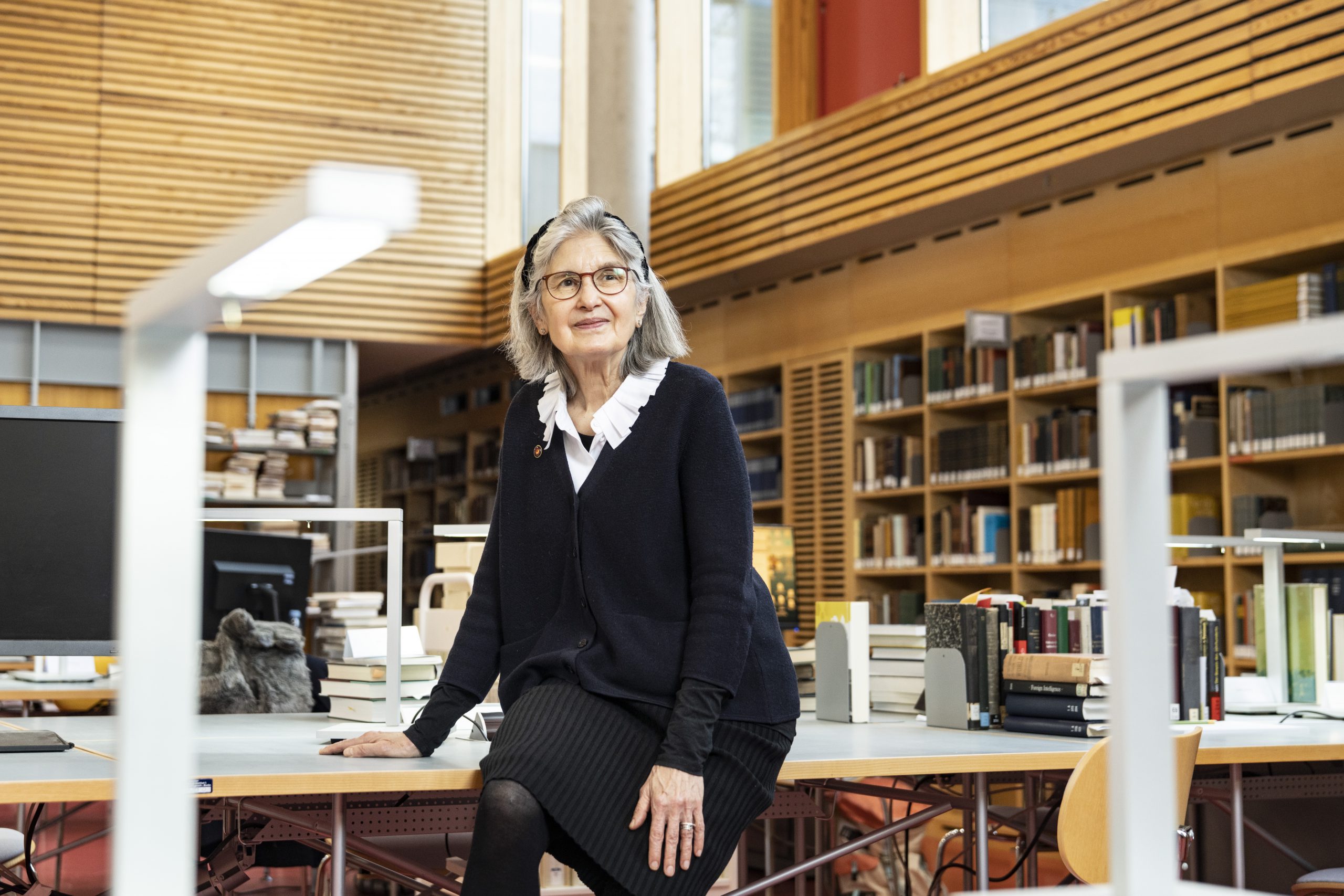
Science and technology are an integral part of our society. But if you look at the whole history, it is quite extraordinary that science has come to play such an important role for us. Historian of science Lorraine Daston, director emerita of the Max Planck Institute for the History of Science in Berlin, examines how this development was possible. In 2020, she received the A.H. Heineken Prize for History for her work.
Our society is steeped in science and technology. Thanks to our many years of investment, scientific research is flourishing, and we are reaping plenty of benefits – directly and indirectly. For example, governments make many of their decisions based on scientific evidence. During the pandemic, we saw this more clearly than ever before. The technological marvel in our pocket – the smartphone – is here thanks to science, and many centuries of medical research have brought healthcare to the high level it is at today.

Lees dit interview in het Nederlands (NewScientist)

But it could just as easily have been different. If you look at history, you will see that every society has some degree of interest in its natural environment. But a society that structurally invests large amounts of money and manpower in a systematic study of that environment is a historical rarity, as historian of science Lorraine Daston discovered, both from the point of view of historical eras and from that of different cultures.
She researches how this rarity came to be: what conditions are needed to create a society in which science flourishes? In her study at the Max Planck Institute for the History of Science in Berlin, all the walls are covered with bookcases from floor to ceiling. ‘I surround myself with books, and read, and read, and read,’ Daston says. ‘I take copious amounts of notes and sort them by theme, a process I sometimes compare to chemical distillation, taking notes upon notes to locate the essential. At a certain moment, patterns reveal themselves to me, as well as a lot of new questions. With those questions, I delve back into the books.’

Fragile ecosystem
This led Daston to the discovery that there are two main conditions for richly flourishing science. ‘First, the prevailing view in society must be that science is so important that society is willing to invest heavily in research itself,’ Daston says. ‘But not only that: the career path of a scientist must also have cultural value: it must have a certain glamour factor. In every era, there are certain professions that are highly valued by society. These career paths attract the best and brightest. A second key requirement is that scientists be given sufficient autonomy and freedom. There must be institutionalisation, an organised system that protects researchers from the pressure to be immediately useful and generate economic value. Science must have a certain critical mass to bring about such institutionalisation. This institutionalisation is needed to protect the fragile ecosystem of science.’
Both conditions are currently under pressure. In highly developed countries in particular, fewer and fewer people aspire to careers in science. ‘This is a signal that the cultural standing of science is declining,’ says Daston. ‘Universities are also in danger of being overwhelmed by the demand for immediate usability and economic value. Historically, that’s not a sign of the flourishing of science. It’s a very fragile ecosystem that we need to protect.’

Bedrock layer of science
Daston also delved deeper into this ecosystem and examined the extent to which the way scientific research is done has changed throughout history. She has identified three different timelines, each with its own pace of change. ‘The first is the fastest,’ Daston begins. ‘In musical terms, you could compare the first tempo to allegretto. This is the speed of the latest empirical results, which follow each other in rapid succession. Each new issue of scientific journals like Nature or Science is filled with these hot-off-the-press scientific developments. Then there is a slightly slower timeline – andante in musical terms. This timeline consists of the various frameworks that make sense of these empirical results. An example of such a framework would be the theory of relativity or the theory of evolution. Such frameworks are not perpetual but remain in place for decades or sometimes hundreds of years.’
Daston is most interested in the third, deepest level. ‘This is the basso continuo of science – the slow evolution of fundamental practices and epistemic virtues. Examples of practices include the controlled experiment, which first appeared in the late seventeenth century; statistical surveys, a product of the nineteenth century; or computer simulations, which we have used since the late twentieth century. Once such a method is introduced, it is never lost. So, this ‘bedrock layer of science’ forms a very slow accumulation of new ways of gaining knowledge

Volcanic eruption
In general, changes on this timeline take place very slowly, but sometimes a new method appears suddenly. ‘An example is the “volcanic eruption” of probability theory in the mid-seventeenth century,’ says Daston. ‘People have been playing games of chance since time immemorial; there is archaeological evidence that the oldest civilisations were already using some kind of dice. But the idea of mathematics of probability suddenly emerged in the mid-seventeenth century. And that eruption still forms the basis for the probability theory that we use today.’
If you look purely at the bedrock layer of science, you can see beyond the boundaries of disciplines. For example, you see that statistics begins in the social sciences, as a method of describing populations. But then the method migrates to other sciences, such as the physics of gas molecules. ‘When Scottish physicist James Clerk Maxwell developed the theory of the ideal gas, he explicitly drew the analogy with a population in which individuals make contingent decisions,’ says Daston. ‘If you take those individuals together, you see a normal distribution: the familiar bell-shaped probability distribution. He compared these individual decisions of human beings to the velocities of the molecules in an ideal gas.’ Even today, there is a great deal of migration of new methods between different fields. For example, techniques from artificial intelligence can be used in many different situations, as long as you use the right training sets. Scientists use similar techniques to discover patterns in weather data, and to study whether plays were written by Shakespeare or someone else, for example.’

Emergence of photography
‘My research is constantly surprising me,’ says Daston. ‘For example, when I realised that concepts like objectivity or observation have a relatively recent history.’ Daston’s research, conducted with fellow historian of science Peter Galison, found that ‘objectivity’ as a virtue in science did not make an appearance until the nineteenth century. Before that ‘certainty’ and ‘accuracy’, for example, played a major role. The emergence of the pursuit of objectivity coincided, not entirely by chance, with the emergence of photography. Some scientific disciplines saw in the photograph the ultimate way to restrain their subjective projections onto their research subjects. ‘Objectivity is a way of trying to eliminate errors,’ Daston explains. ‘In particular, the errors that result from a scientist projecting his or her fantasies and wishful thinking onto nature,’ In disciplines such as anatomy or embryological development, for example, scientists exchanged the beautifully detailed colour drawings for blurred black-and-white photographs. Interestingly, here you can see directly that a virtue like objectivity can clash with other virtues, such as ‘accuracy’. Because a blurred black-and-white photograph may be objective, but cannot compete with a carefully executed colour drawing in perspective of an organ or stage of embryonic development for accuracy.
Photographs became more and more accurate, but this did not resolve a more fundamental clash: objectivity can also clash with the virtue of ‘truth’. ‘Truth-to-nature’ is about the underlying truths about nature, and not the properties of often variable specific manifestations. For example, in the eighteenth century, botanists such as Carl Linnaeus depicted in their drawings not one particular individual flower or plant, male or female, at a particular stage of development, but an idealised version. They were looking for the general characteristics of the species. Botanists worked with photography briefly in the nineteenth century, only to turn away from it very quickly. Photography was useless for their purposes. ‘Drawings are still often used in field guides about birds or plants for this reason,’ Daston says. ‘Biologists consider the “truth-to-nature” that a drawing gives more important than the objectivity of a photograph.’

Without exception
Daston recently completed a study on the history of rules, in the broadest sense of the word. ‘I looked at the history of rules in cookbooks, computer algorithms, manuals for warfare, game rules, traffic rules, dress code, spelling rules, laws of nature, and so on.’ Daston sought to discover underlying patterns: were there general developments on a large time scale in what a rule meant, or how it was formulated? She discovered that you can distinguish three categories of rules: rules as models, as precisely formulated laws, and as algorithms. We are still familiar with the latter two today. But rules as models were by far the most important until about the year 1800, and then largely disappeared from the scene. Such a model was an example that you could imitate but did not have to copy exactly – in much the way that role models might serve as a guide to conduct. Today, the vast majority of rules are formulated much more precisely, as ‘laws’ or ‘algorithms’.
Daston also looked at the history of exceptions to rules. ‘The interesting thing about exceptions,’ she explains, ‘is whether or not they are part of the rule. Until about 1800, rules were always formulated with a huge number of examples, exceptions, and appeals to experience and context. In a cookbook, for example, the authors tell you what to adjust if you are cooking at high altitude, or if you are using a different kind of oven. Or they make suggestions for how to replace one ingredient with another. In short, they include in the rules the fact that the world is surprising, that there are always unforeseen circumstances. But that flexibility begins to disappear after about 1800, when at least certain oases of stability emerge as a result of standardisation and globalisation. This is a world in which planning can extend months or even years into the future, in which “just-in-time supply chains” work and trains and planes are punctual.’
But how did this change come about? ‘In parts of the world, “pockets” of orderliness emerged. First, in certain cities, with Amsterdam as a shining example. By the eighteenth century, Amsterdam had become the perfect example of an orderly city in the minds of Europeans. Travelers admired its canals, waste disposal system, uniform house façades, and streetlights. Cities throughout Europe copied this model of orderliness. It took a century for this vision of urban order to be more widely realised, but because of this, around 1800, the utopian vision slowly emerged that perhaps all of society could be organised in this way.’ This was also increasingly seen in the formulation of rules: people dared to leave out all the different circumstances and exceptions.

Dynamic truth
Knowing the history of science is not only important for historians, but for everyone. We’ve seen this, for example, during the Covid pandemic. ‘It’s very disorienting for citizens, but also for policy makers, to see scientists change their minds,’ says Daston. ‘This is part of the normal and necessary process of science: in the light of new evidence, they modify their theories. But because of the limited understanding of how science works, such changes often confused the public and could be used to undermine trust in science. But the history of science shows that gathering new evidence and modifying conclusions on that basis is the necessary condition for scientific progress, not a flaw. This is one of the main messages to emerge from my research: the concept of an eternally unchanging truth, which we know from philosophy and religion, is not suitable for science. Science requires a dynamic idea of truth. Otherwise, there would be no scientific progress.’

CV
Lorraine Daston (East Lansing, United States, 1951) studied history and philosophy of science at Cambridge University in the United Kingdom and Harvard University in the United States. At the latter university, she received her doctorate in the history of science. After this, she held various positions at Princeton University, Georg-August Universität in Göttingen, and the University of Chicago, among others. Since 1995, she has been the director of the Max Planck Institute for the History of Science in Berlin, from which she retired in 2019. In addition, she continues to be connected to the University of Chicago. She has written many books about her work, including (with Peter Galison) Objectivity (2007), Against Nature (2019), and Rules: A Short History of What We Live By (2022). In addition to the A.H. Heineken Prize for History, Daston been awarded the George Sarton Medal from the History of Science Society, the Dan David Prize, and twice the Pfizer Prize from the History of Science Society.

Research
Lorraine Daston studies the historical conditions under which science flourishes in a society and the long-term development of forms of scientific rationality, such as probabilistic thinking, systematic observation, natural laws, and epistemic virtues such as truth-to-nature and objectivity. Her work translates abstract-sounding concepts into the concrete practices of doing science: making an image, conducting a statistical test, tabulating observations. She has published on a wide range of topics, from the history of probability to the wonders of nature; her most recent work has been on the moral authority of nature, the history of rules, and the origins of the scientific community.


Video

Lorraine Daston — American Historian of Science

Interview with Karl Deisseroth

2022-04-04T11:16:33+02:00

Light on the brain

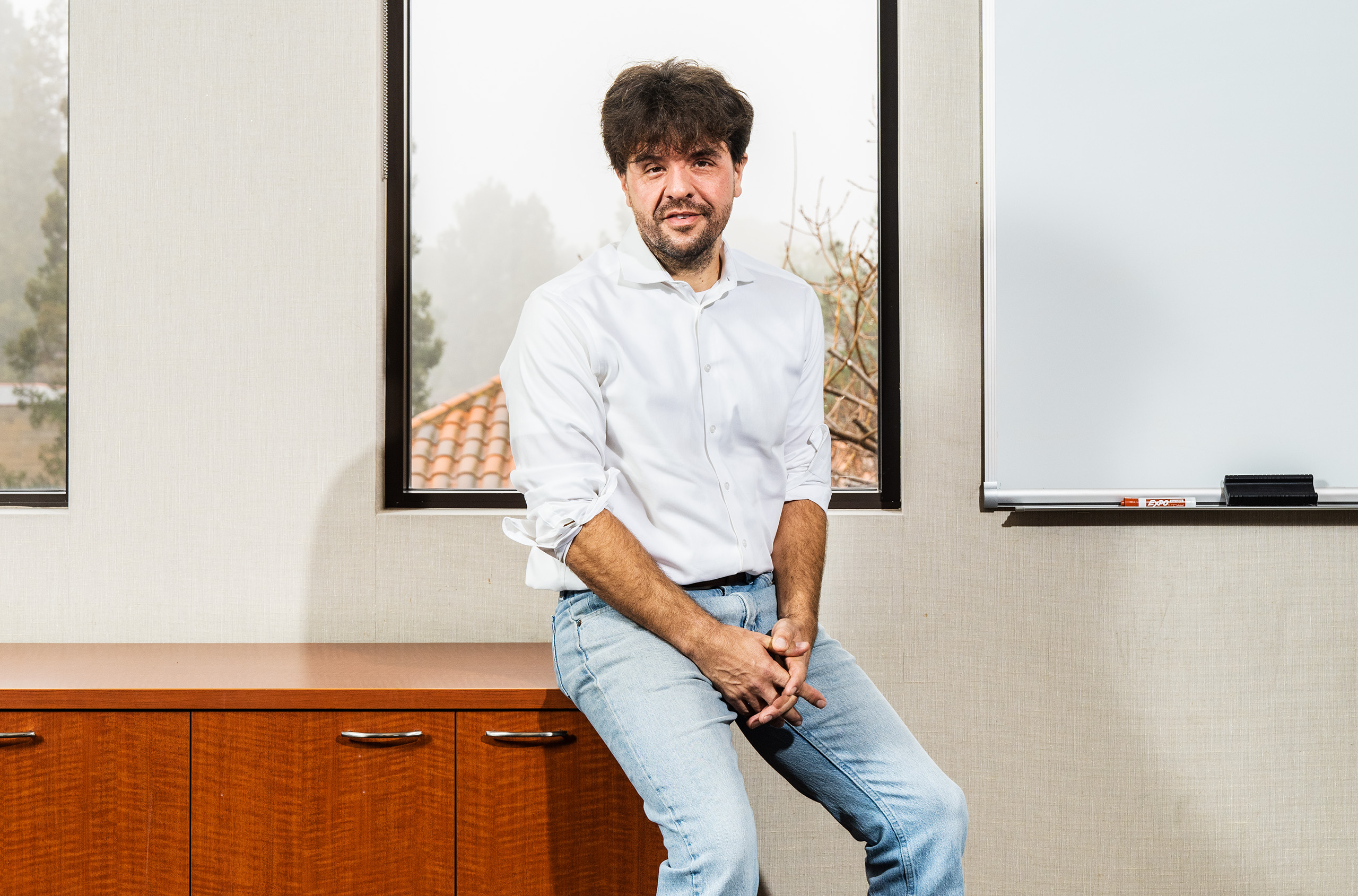
Our brain is a large collection of neurons that constantly send charged particles around to each other to communicate. How is it possible that together these brain cells are capable of the most complicated tasks? Karl Deisseroth, professor of bioengineering and psychiatry at Stanford University in the United States, has developed pioneering techniques to shed more and more light – literally – on this question. In 2020, he received the A.H. Heineken Prize for Medicine for his work.

Lees dit interview in het Nederlands (NewScientist)

It is a summer’s day in 2007. A mouse unsuspectingly scurries around in a plastic container in a laboratory at Stanford University. Via a fibre optic cable in its brain, the mouse is attached to a laser, but as long as this laser is off, it doesn’t seem to really care. When Karl Deisseroth and colleague Feng Zhang press the button on the laser, the mouse suddenly begins to walk in circles. Continuously anti-clockwise, as if he were a speed skater. Then the laser is switched off. The mouse scurries around comfortably in its plastic container again, as if nothing had happened.
This was a defining moment in Karl Deisseroth’s career. ‘When I saw that we could control an animal’s behaviour instantaneously, in a precise, fast, and safe way, I knew we really had something on our hands,’ he says. The mouse ran its laps thanks to optogenetics, a technique for using light to control groups of nerve cells. The mouse experiment eventually resulted in a technique that brain scientists use worldwide to study the activity of the nerve cells of living mammals in detail. All this to answer the one question: how do our experiences, feelings, and actions arise from the behaviour of individual nerve cells?
‘From a young age I was curious about the mind,’ says Deisseroth. ‘I was always intrigued by emotions: where they come from and how they can be generated by words or experiences. Initially, I wanted to be a writer, but at university I became more and more interested in biology. I learned how to crack incredibly complex problems by looking at the cellular level to see what is happening. This approach had already transformed immunology, cancer biology, and developmental biology. That made me curious to see if we could apply this to the brain. Perhaps by looking at the level of nerve cells, we could understand where feelings come from and what their physical form is in the brain.’ With this in mind, Deisseroth developed several pioneering techniques that allow us to use light to look at the brain in action at the cellular level, and even to influence it.

Algae genes
For the first technique, optogenetics, Deisseroth took his inspiration from the ocean – from algae to be precise. These unicellular organisms are naturally sensitive to light. Under the influence of light, channels open in the cell wall, allowing ions to flow into the cell. Some algae species change shape as a result and move toward the light. Deisseroth came up with the idea of implanting the section of DNA that is the code for creating these light-sensitive channels into animal nerve cells. When (positive) sodium ions flow into a nerve cell, they ‘turn on’ the neuron. Negative ions, such as chloride ions, turn off a nerve cell. If nerve cells create light-sensitive ion channels thanks to the algal DNA, you can turn them on or off with light, was the thought.
Deisseroth was not immediately convinced that this would work. No one had ever put algal DNA into mammalian nerve cells. Still, he managed quite quickly to get a few Petri dishes full of nerve cells to take up the algal DNA and create ion channels. He then shone light on half of the Petri dishes, not exposing the other half for control. ‘There were more activated neurons in the exposed dishes than in the unexposed ones,’ Deisseroth says. ‘The effect was small but significant. At that moment, I realised what was possible. The big question was: how do we get this into the brain of a living mammal?’
Deisseroth used viruses to get the genes into the nerve cells. The main difficulty here was to control which cells received the gene and which did not. ‘If all the cells get it, there’s no point: you want to be able to control a specific group with light,’ explains Deisseroth. After years of further development, he managed to place the light-sensitive genes in the right part of the motor cortex of a mouse, and to implant a fibre optic cable there as well. The right motor cortex controls movement to the left. When Deisseroth and colleague Zhang shone laser light on these nerve cells via the fibre optic cable, they were activated. As a result, the mouse had no choice but to run anti-clockwise.

Complex states
Now, it is possible to turn on specific nerve cells with light of a certain wavelength and turn them off with a different wavelength. This can be done in a variety of different mammals, including humans. If you do this while an animal is performing a task or having an experience, you can research step by step which cells play a role in which processes. For example, you can turn off a different group of cells each time someone performs an exciting task and see what the effect is on heart rate and breathing, among other things. ‘We are now applying optogenetics to understand how complex states such as anxiety are created by the actions of cells,’ Deisseroth said.
If you know which nerve cells play a role in these processes, you can treat people with anxiety disorders more specifically, for example. ‘In psychiatry, we have many different types of medication, but they don’t act on specific cell types. As a result, there are always side effects. In principle, you can use treatment with brain stimulation techniques more and more precisely, but we can’t yet take full advantage of that precision, because we don’t yet have that a deep understanding of the brain. So, the understanding that emerges from optogenetics can improve these kinds of treatment modalities.’
Deisseroth explores how anxiety, an emotion that he was no stranger to early in his career, is made up of different parts of the brain. ‘I used to be very nervous about giving presentations at large scientific conferences. My heart was racing, I was very nauseous, and I suffered from sweating and rapid breathing. In addition to these physical manifestations, I just felt bad.’ Years later, using optogenetics, Deisseroth was able to investigate very precisely which areas are responsible for these different components, and how they interact. ‘This result was exactly what I had hoped for most,’ says Deisseroth. ‘We really understand how our complex inner states are physically constituted in the brain.’ Similarly, Deisseroth looks at other complex states and diseases, such as sleep, addiction, depression, hunger, thirst, Parkinson’s, and epilepsy.

Ethical questions
Turning nerve cells on and off offers wonderful possibilities, but of course it also raises ethical questions. Think of the mouse, a mammal with free will that suddenly only runs anti-clockwise. ‘We can use optogenetics to study very precisely things like aggression, motivation or memory, but also influence them,’ says Deisseroth. ‘At the touch of a button, we may be able to change the behaviour and feelings of a free-thinking person in the future. We have to think carefully about what is desirable and what is not.’
The first direct application of optogenetics in medicine focuses on a less sensitive topic. ‘Vision scientist Botond Roska put one of our optogenetic tools into a human retina,’ Deisseroth says. ‘After many years of development, last year he managed to give a blind person back a bit of sight in this way. So, there are extraordinary applications. But I still think the greatest impact is in fundamental science, through which we learn to understand the human brain.’

Transparent brain
The second pioneering technique for brain research was introduced by Deisseroth in 2013: hydrogel tissue chemistry (HTC). With this technique, Deisseroth and his colleagues can make brain tissue from deceased animals and humans transparent. They do this by removing the fatty substances from the brain and replacing them with a transparent gel. This allows them to study the brain in three-dimensional form, with all connections intact, where previously the brain always had to be sliced. They can also attach fluorescent labels to specific cell types, causing different types of nerve cells to light up in different colours. ‘We can dive into the individual nerve cells,’ says Deisseroth, ‘and see: what is this cell connected to? And more importantly: what proteins does this cell produce? Together this offers a lot of information about their function in the whole.’
With HTC, Deisseroth and colleagues can detect abnormalities in the case of specific brain disorders, such as autism, epilepsy or Alzheimer’s disease, and research the causes. In Alzheimer’s, for example, it is known that clumps of protein form in the brain. But exactly how these are formed, and in what way they cause problems in neurons, is not yet known. This also raises the question of exactly on what to focus a treatment. Using HTC, Deisseroth and colleagues hope to learn more about the precise mechanism at the level of individual cells.

Sum of parts
The brain consists of an unimaginable number of cells with a staggering number of connections between them. So, some research is still needed before we can understand the brain in all its complexity. But is it theoretically possible, using optogenetics and HTC, to one day fully understand, and perhaps even control, the brain? Deisseroth smiles. ‘This is one of my favourite topics of conversation. I often think about it: what if we could control every single cell in a human brain? Technically, it would be very difficult. The human brain is simply too large to use light to control each individual cell. But in other animals, such as zebrafish, we are getting close. Zebrafish are transparent and have a much smaller brain than we do. Yet their brains are amazingly similar to ours. And it may well be that we will soon come to the point of complete control.’
In addition to the practical challenges, philosophical questions arise. Can you fully describe all of our behaviour, every thought, and every feeling as a composite of its components, the cells? ‘This question quickly leads to a paradox,’ says Deisseroth. ‘Suppose you could do it: you have a person look at a beautiful deep red colour, which evokes an emotion. You measure exactly what each nerve cell is doing. Then you remove the red colour and mimic that exact brain activity with optogenetics. The question is whether that person would experience the same feeling. If you assume that this is the case, then there are crazy consequences.’
‘If you mimic brain activity in each nerve cell, the connections between nerve cells are no longer relevant. Normally, cells exert influence on each other through these connections. The visual input of the red colour in your eyes spreads out into a pattern of activity in lots of different nerve cells. But we now control all those nerve cells ourselves with exactly that same pattern of activity. So then you might as well remove the connections. You could even remove all the cells from the head and spread them all over the universe. But if you do that, is there still a human being who feels something? This thought experiment indicates that we do not yet understand at all what a subjective experience really is.’

CV
Karl Deisseroth (Boston, 1971) studied biochemistry at Harvard University in the United States and trained as a psychiatrist at Stanford University, also in the US. He received his doctorate in neuroscience from that same university. Since 2012, he has been a professor of bioengineering, psychiatry, and behavioural sciences at Stanford University. In addition, he treats patients one day a week as a psychiatrist at Stanford University Medical Center. He is also a researcher at the Howard Hughes Medical Institute in Maryland. In addition to the A.H. Heineken Prize for Medicine, Deisseroth received the Breakthrough Prize in Life Sciences, the National Academy of Sciences Lounsbery Award, the Kyoto Prize in Advanced Technology, and the Lasker Award in Basic Medical Research for his work, among others.

Research
Karl Deisseroth develops techniques for using light to study the brain. He researches how complex states such as fear, addiction, epilepsy or depression are composed of the behaviour of individual nerve cells. Deisseroth developed optogenetics, which allows light to turn groups of nerve cells on or off. He also introduced hydrogel tissue chemistry, of which the CLARITY and STARmap methods are well-known components. With these techniques, brain researchers can make brain tissue from deceased mammals transparent. This allows the brain researchers to map out all the connections between brain cells very precisely, allowing them to detect abnormalities in specific brain disorders, such as autism, epilepsy, and Alzheimer’s disease.

Video

Karl Deisseroth — Bioengineer and Psychiatrist

Interview with Robert Zatorre

2022-03-23T17:38:59+01:00

Music in the mind

How is it that music, at its core an abstract collection of sounds, triggers such strong emotions? And how does our brain process melodies and lyrics? It is questions like these that neuroscientist Robert Zatorre ponders daily in his Montreal laboratory. With his pioneering brain research, he even hopes to unravel what is at the heart of being human. In 2020, he received the C.L. de Carvalho-Heineken Prize for Cognitive Sciences for his work.
Robert Zatorre, professor of neuroscience at McGill University in Canada, made his first forays into music when he was about thirteen years old. He was eager to learn to play the sensational organ parts from the rock music of the 1960s, so he knocked on the door of an organ teacher. The latter, however, assured him that he had better ignore this rubbish and focus on the real thing. He took Zatorre to church and played Bach. Zatorre: ‘Afterwards I said, okay, you’re right. The rest is rubbish.’

Lees dit interview in het Nederlands (NewScientist)

Years later, when Zatorre combined training as an organist with studying psychology, the flame for science ignited in him as well. He wanted to discover how it was possible that music has such a powerful effect on the brain. Zatorre went on to become a pioneer in the cognitive neuroscience of music, the field that studies the effects of music on our brains. He made many groundbreaking discoveries, with important implications for neuroscience in general.
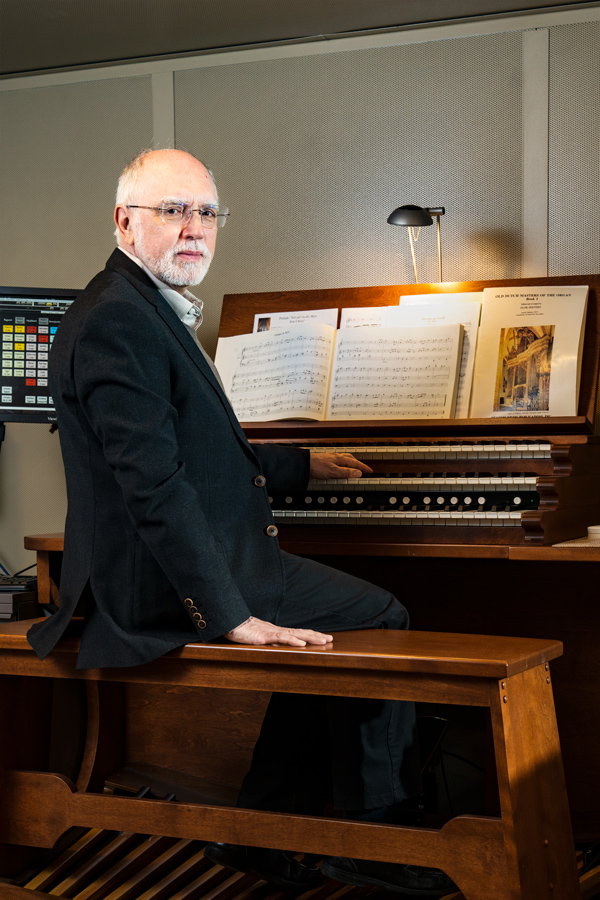
He never said farewell to the organ. In fact, in the middle of his lab is a beautiful digital organ, the sounds of which are based on an organ in Zwolle. When we visited him in Montreal, he surprised us by performing a beautiful piece by fifteenth-century Flemish composer Jacob Obrecht. Zatorre explains that the organ is the ideal addition to his lab not only because of his own background. ‘The organ is one of the few instruments for which you use two hands and two feet. This makes it ideally suited for music cognition experiments because of the coordination and flexibility required,’ he says. His two hands and two feet fly over the keys, producing beautiful sounds.

Anticipation of reward
One of the main questions Zatorre’s research seeks to answer is why music causes such strong emotions. ‘We tend to take this for granted,’ says Zatorre. ‘But how is it that we find a completely abstract pattern of sound beautiful, that it gives us pleasure, and sometimes even shivers or goosebumps? What happens in your brain?’
The mechanism behind this has only been discovered in recent years, and the research of Zatorre’s group played an important role in this. It showed that music acts on the reward system in the brain in the same way that, for example, food and sex do: through the neurotransmitter dopamine. It is pretty obvious why food and sex give us a sense of reward: we need them to survive and reproduce. Music, on the other hand, does not have such an essential function at first glance. So, why do we react to it so strongly?
‘Several things play a role,’ Zatorre explains. ‘One of the most important ones has to do with music’s ability to generate expectations, and then at times deviate from them just a little. We have long known that our reward system is sensitive not only to rewards, but also to the anticipation of rewards. If you repeatedly give a thirsty rat water after a flash of light, at some point its reward system will also respond to the flash of light itself. But what is even more interesting: if you put some sugar in the water, the reward system reacts even more strongly, because the reward is better than expected. We believe that music plays into this system of prediction, in which you have a sequence of events, and then you deviate just a little from the expectation.’

Statistical prediction
What those expectations are has everything to do with your previous exposure to music. Children do not yet have many expectations, which is why very simple songs give them a response. Adults usually find these songs boring. In order to excite their reward system, the composer and musicians have to try a little harder. Through years of exposure to music, adults have a certain statistical prediction of how music works. This can be in standard chord sequences, or melodies made up of notes from a specific scale. A good composer will occasionally put a ‘violation’ of these statistical regularities into his pieces on purpose. It is precisely these deviations that excite our reward system. ‘But the balance between predictability and surprise is very important,’ Zatorre stresses. ‘It should not be too surprising. That is why it is so hard to write beautiful music.’
That previous exposure, and the statistical information you get from it, also explains why different people like different types of music. If you are used to listening to pop music, you have a different frame of reference than if you have been listening to jazz from a young age. Differences between cultures are even greater, as Zatorre once experienced first-hand. ‘Colleagues took me to a concert in India once. I had no idea what was happening, but out of politeness I said afterwards that I thought it was very nice. But my colleagues apologized for the many mistakes the musician had made. I had no idea, it all sounded strange to me.’

Text and melody
A lot of music contains lyrics in addition to chords and melodies, and that combination puts our brains to work even harder. When we listen to a song, it sounds like a whole to our ears. But our brain processes the melody and lyrics of a song in a completely different way, in different hemispheres of the brain. Zatorre’s team demonstrated why this is. ‘Sound contains two different types of cues,’ Zatorre said. ‘The first type, called temporal cues, relates to how quickly things change in time: the rhythm of sound. In addition, you have the spectral cues: what frequencies, or pitches, are in the signal.’
Zatorre’s team filtered these cues out of a song in turn. And what did they find? When they removed the spectral information, you could follow the text easily, but the melody was completely gone. Conversely, without temporal information, the melody was easy to perceive, but the speech was incomprehensible. Zatorre: ‘Once we had shown that, the next step was to look at brain activity in the MRI scanner.’ A so-called functional MRI scan shows which brain regions are active at any given time. There is more blood flow with oxygenated blood in these regions. ‘When we had the subjects listen to the filtered songs in the MRI scanner, we saw that the left auditory cortex was able to follow the temporal cues easily (and, therefore, the speech), but not the spectral ones. And the right auditory cortex was able to follow the spectral information (and, therefore, the melody) easily, but not the temporal information.’ So, the brain processes these elements separately. How our brain then reassembles these elements into a single experience is something Zatorre hopes to find out in the coming years.

Voice recognition
Zatorre’s work is quite fundamental in nature, but that does not take away from the fact that there are all kinds of practical applications that arise from his research. For example, he showed that musically trained people are better at distinguishing speech in an environment with a lot of background noise, compared to people without musical training. He hopes to use this result to help (older) people with hearing problems. A colleague has already tried this out, Zatorre says. ‘He taught a group of elderly people, with no previous musical training, to play the piano for six months. After this, they were better at distinguishing speech from background noise. The effect was small but encouraging.’ However, this way is still a bit of a shotgun approach. Zatorre: ‘We want to find out what it is in musical training that causes this improvement. That way, you can design a teaching method specifically applied to this problem, and not just teach them to play an instrument.’
Zatorre’s group has already discovered that two different mechanisms are involved. First, as a musician, you sharpen your perception skills. ‘The ability to track information about frequencies, and therefore pitches, is more accurate in musicians,’ Zatorre explains. ‘This is because throughout their lives they often listen to different frequencies embedded in other sounds. For example, when playing in an orchestra or band, it is sometimes important to pick out one instrument among all the other sounds. This mechanism ensures that individual sounds are better registered in the brain, where in non-musicians it is more likely to become a wall of sound. The second mechanism also allows musicians to better select on which of those sounds to focus. We see more brain activity in the frontal areas in musicians. We think that has to do with control signals that are able to suppress some sounds and amplify others.’
But if you want to hear someone talk in a busy environment, you have to discern temporal information. To do this, as Zatorre’s group had previously demonstrated, you use a different hemisphere of the brain than you do to distinguish frequencies. So, why does frequently listening to different frequencies help filter speech? ‘We are not sure about that yet,’ Zatorre says. ‘Our hypothesis is that initially you mainly use the frequency information to distinguish the target text from the background. Then, you mainly need the temporal information to translate the text into the actual syllables.’

Fundamental questions
Zatorre’s other work also has important applications. For example, the better we know how music acts on the reward system, the better we can use these insights in music therapy. For example, to help regulate a less active reward system, as in depression or Parkinson’s, or, conversely, an overactive reward system, as in addiction. But Zatorre derives by far the greatest satisfaction from working with his team to explore and answer new fundamental questions. ‘When we do our experiments, we focus on very specific questions. But those specific questions are part of something much broader. Music and speech are things that distinguish us from other species. By studying how the brain enables us to produce, experience, and enjoy these things, we gain insight into what it means to be human.’

CV
Robert Zatorre (Buenos Aires, 1955) studied psychology and music at Boston University and received his PhD from Brown University in Providence in 1981. He then continued his career as a researcher at the Montreal Neurological Institute at McGill University. He has been a professor of neuroscience there since 2001. In 2006, together with Isabelle Peretz, he founded the International Laboratory for Brain, Music, and Sound Research (BRAMS), of which he is currently still co-director. In addition to the C.L. de Carvalho-Heineken Prize, Zatorre has received the IPSEN Foundation Neuronal Plasticity Prize, the Hugh Knowles Prize, the Oliver Sacks award, and the Grand Prix Scientifique from the Fondation pour l’Audition in Paris for his work, among others.

Research
Music and speech are important but complicated human forms of communication. Robert Zatorre and his team are researching how our brains process music and speech. As one of the pioneers in the field of music cognition, he uses music as a framework to explore complex cognitive functions, such as emotion, perception, movement, memory, attention, and aesthetics. For example, he demonstrated that music acts on our reward system in the same way that food and sex do. He also unravelled how and why different parts of our brain process music and speech, and he is researching how people learn music and how this process can be influenced.

Video

Robert Zatorre — Neuroscientist

Sunil Amrith

2024-06-11T09:55:49+02:00

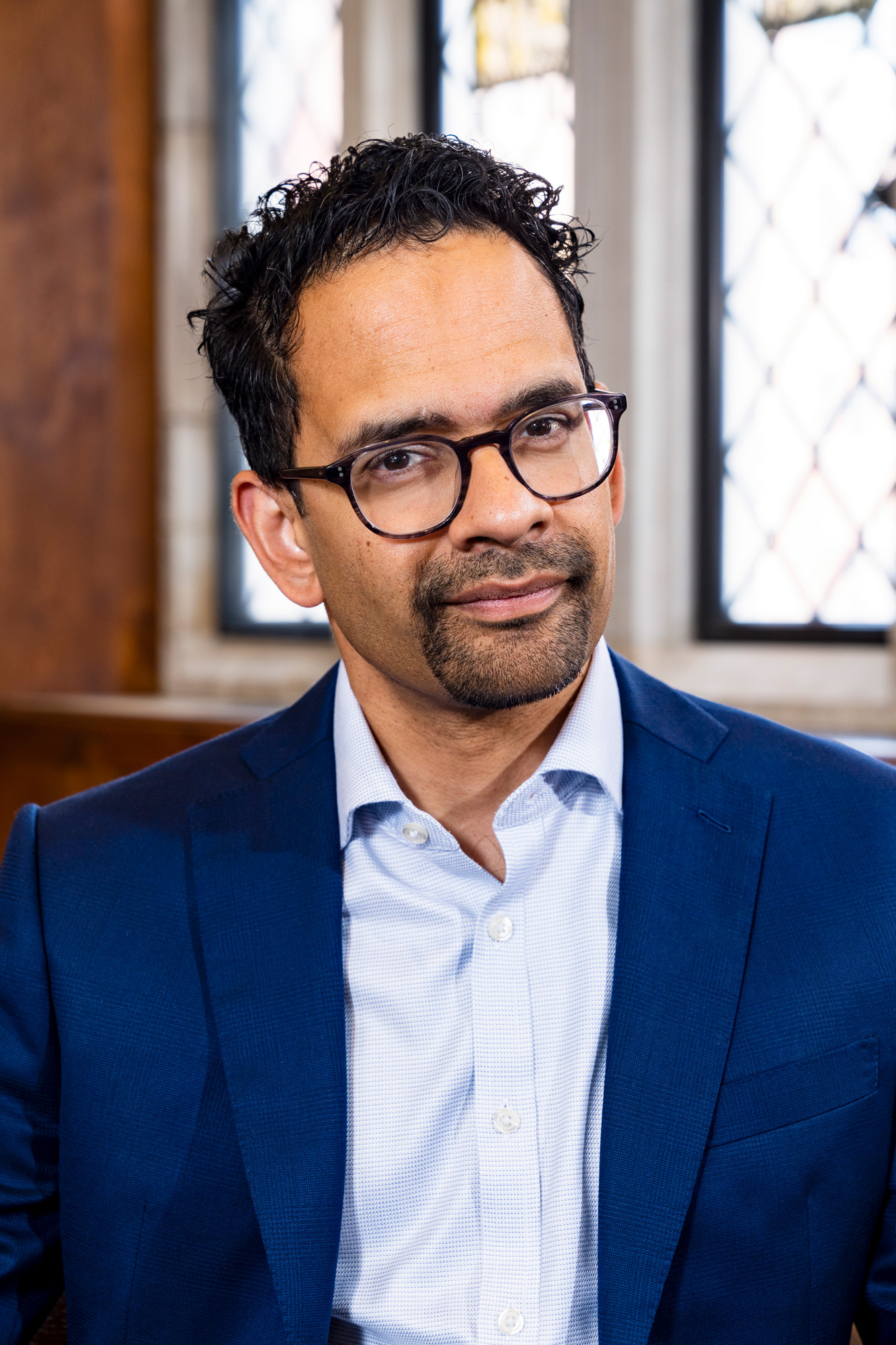
Sunil Amrith, professor of History at Yale University, will be awarded the Dr A.H. Heineken Prize for History 2022. The award honours his search for the historical origins of the great inequality that exists between and within countries as well as the connection that he has identified to the impact of climate change. 

The Heineken Prizes are the Netherlands’ most prestigious international science prizes. Every two years they are awarded to five distinguished researchers. The Royal Netherlands Academy of Arts and Sciences is responsible for the nomination and selection process. During the first week of June, a 2022 laureate will be announced every weekday. Previous laureates of the Dr A.H. Heineken Prize for History include Lorraine Daston (2020) and John McNeill (2018). The award was established in 1990 by Alfred H. Heineken.

About the study
Amrith studies the history of South and Southeast Asia. He is interested in the transnational connections between these two regions, focusing mainly on the nineteenth and twentieth centuries. Among other things, he has studied the large-scale migration around the Bay of Bengal, and the circulation of cultural, religious, and political ideas that followed. He also focuses on the history of the environment in this region, and the relationship between climate and water cycles around the Indian Ocean. He recently wrote the book Unruly Waters, in which he explains why monsoons and rivers play such an important role in the history of South and Southeast Asia. The recurring theme in his work is the effect of imperialism and colonialism on the inequality between and within countries.  Again, he makes the connection to environment: Amrith is researching how climate change affects socioeconomic issues such as migration and inequality. He explains: ‘Our current environmental crisis is best understood in relation to a history of increasing inequality, both between and within countries. Moreover, we can better equip ourselves to understand the challenges we all face if we listen to and learn from the widest possible range of voices, including those that have been marginalised or silenced.’ 

Jury praises Amrith’s new perspective on environmental history
Unruly Waters is an extraordinary broadening of the history of the Indian subcontinent, from a whole new perspective,’ says the jury, with chair Judith Pollmann, historian, and professor of early modern Dutch History. Amrith combines political, social, and cultural insights, micro and macro perspectives. In doing so, he combines administrative and popular sources, such as film and drama. In addition, he ties his research to the perspective of the individual and the way in which life is affected by climate. For example, he makes a connection between colonial exploitation and climate change in India. This new approach to issues such as ecology, migration, politics, health, and climate makes Amrith a leader in the field of environmental history. 

About Sunil Amrith
Sunil Amrith (Kenya, 1979) grew up in Singapore and then moved to the United Kingdom to study history at Cambridge University. He received his PhD in history from the same university in 2005. After working briefly as a researcher at Trinity College, Cambridge, he was appointed lecturer at Birbeck College, part of the University of London. In 2015, he was appointed Mehra Family Professor of South Asian History at Harvard University. Since 2020, he has been Renu and Anand Dhawan Professor of History at Yale University. In addition to the Dr A.H. Heineken Prize for History, awards he has received include the John F. Richards Prize, the Infosys Prize in Humanities, and the MacArthur Fellowship.

Video

Lecture Dr A.H. Heineken Prize for History 2022 – Sunil Amrith

Vishva M. Dixit

2024-06-11T09:55:38+02:00

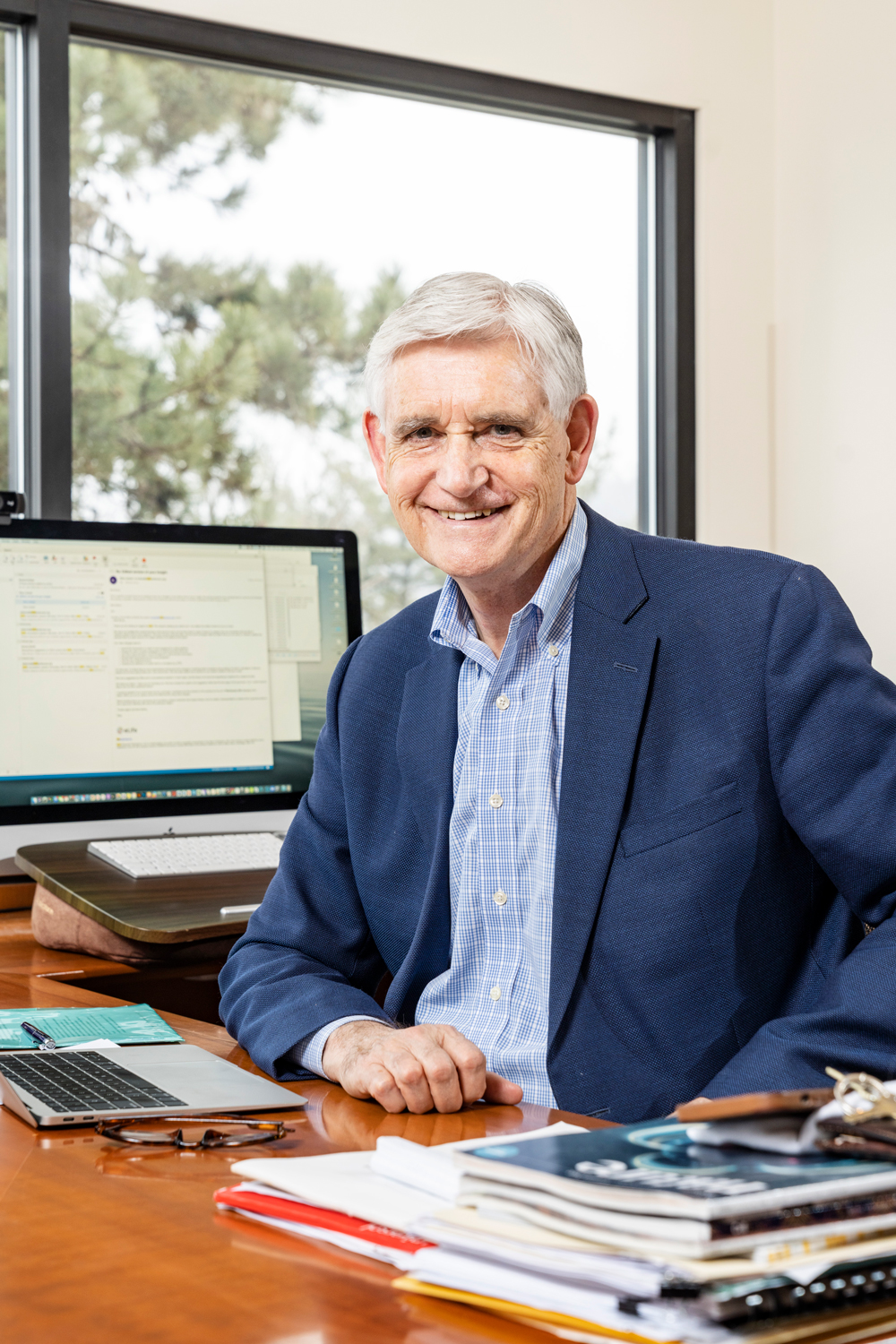
Vishva M. Dixit, vice president of Early Discovery Research at Genentech, will be awarded the Dr A.H. Heineken Prize for Medicine 2022. The award honours his pioneering biomedical research on apoptosis, the process of programmed cell death, and necrosis, where cell death is caused by factors outside the cell such as infection or trauma. His discoveries have provided mechanistic insight for new clinical treatments, including immunotherapy in cancer patients.

The Heineken Prizes are the Netherlands’ most prestigious international science prizes. Every two years they are awarded to five distinguished researchers. The Royal Netherlands Academy of Arts and Sciences is responsible for the nomination and selection process. During the first week of June, a 2022 laureate will be announced every weekday. Previous laureates of the Dr A.H. Heineken Prize for Medicine include Karl Deisseroth (2020) and Peter Carmeliet (2018). The award was established in 1989 by Alfred H. Heineken.

About the study
Dixit studies how the cells of the body die, and how our bodies regulate the process of apoptosis. Every second, your body replaces about a million cells because they are old, damaged or mutated. As the biomedical researcher himself explains: ‘We live because we are continuously dying.’ Dixit discovered which enzymes are involved in apoptosis, and how they activate each other in a chain reaction. This knowledge could be used, among other things, for enhancing immunotherapy in cancer patients, with immune cells initiating this chain reaction, killing cancer cells.

In addition to this ‘silent’ form of cell death, there is also ‘loud’ cell death: necrosis. This occurs, for example, in the case of a cut, burn or infection. Dying cells alert immune cells to come and clear away the danger: they trigger an inflammatory response (inflammatory signalling). Dixit discovered that cells have different sensors for specific forms of danger, but that they trigger the inflammatory process in the same way. The discovery of one of these so-called receptors, NLRP3, is of importance for treating inflammation that is not caused by pathogens (bacteria, viruses or fungi) and that can contribute to degenerative conditions such as arthritis, atherosclerosis and Alzheimer’s disease. Dixit’s research group discovered drugs that specifically inhibit NLRP3. This will make it possible to treat sterile infections in the future, without reducing resistance to pathogens.

Jury praises significant contribution of clinical treatments
Dixit’s early findings revealing the fundamental mechanism of apoptosis form the basis of advanced therapies now used in clinics. The jury, with chair René Medema, director of Science Policy at the Netherlands Cancer Institute, said it was confident that Dixit’s future research would have a similar impact on the treatment of numerous diseases, including cancer, autoimmune diseases, and infections. In addition to these important scientific discoveries as a ‘leader in apoptosis research’, the jury says Dixit is a highly dedicated mentor for postdocs and his students. The jury is awarding the prize to Dixit because of his drive to disseminate knowledge about the immune system to a wide audience. The fact that he actively promotes science education in low- and middle-income countries also factored into the jury’s decision.

About Vishva Dixit
Vishva Dixit (Kisii, Kenya, 1956) studied medicine at the University of Nairobi in Kenya. In 1981, he moved to the United States for a medical residency training programme at Washington University in St. Louis. In 1986, he joined as an Assistant Professor the Pathology Department at the University of Michigan, where he was appointed full Professor in 1995. Beginning in 1997, he held various positions at the biotech company Genentech, and he has been vice president of Early Discovery Research since 2005. Between 1999 and 2008, he was also a professor of Pharmaceutical Chemistry at the University of California. Dixit has more than fifty patents to his name. In addition to the Dr A.H. Heineken Prize for Medicine, awards he has received include the Vilcek Prize, the Gutenberg Research Award, and the Dawson Prize in Genetics.

Video

Lecture laureate Dr A.H. Heineken Prize for Medicine 2022 – Vishva Dixit

Remy Jungerman

2024-06-11T09:56:21+02:00

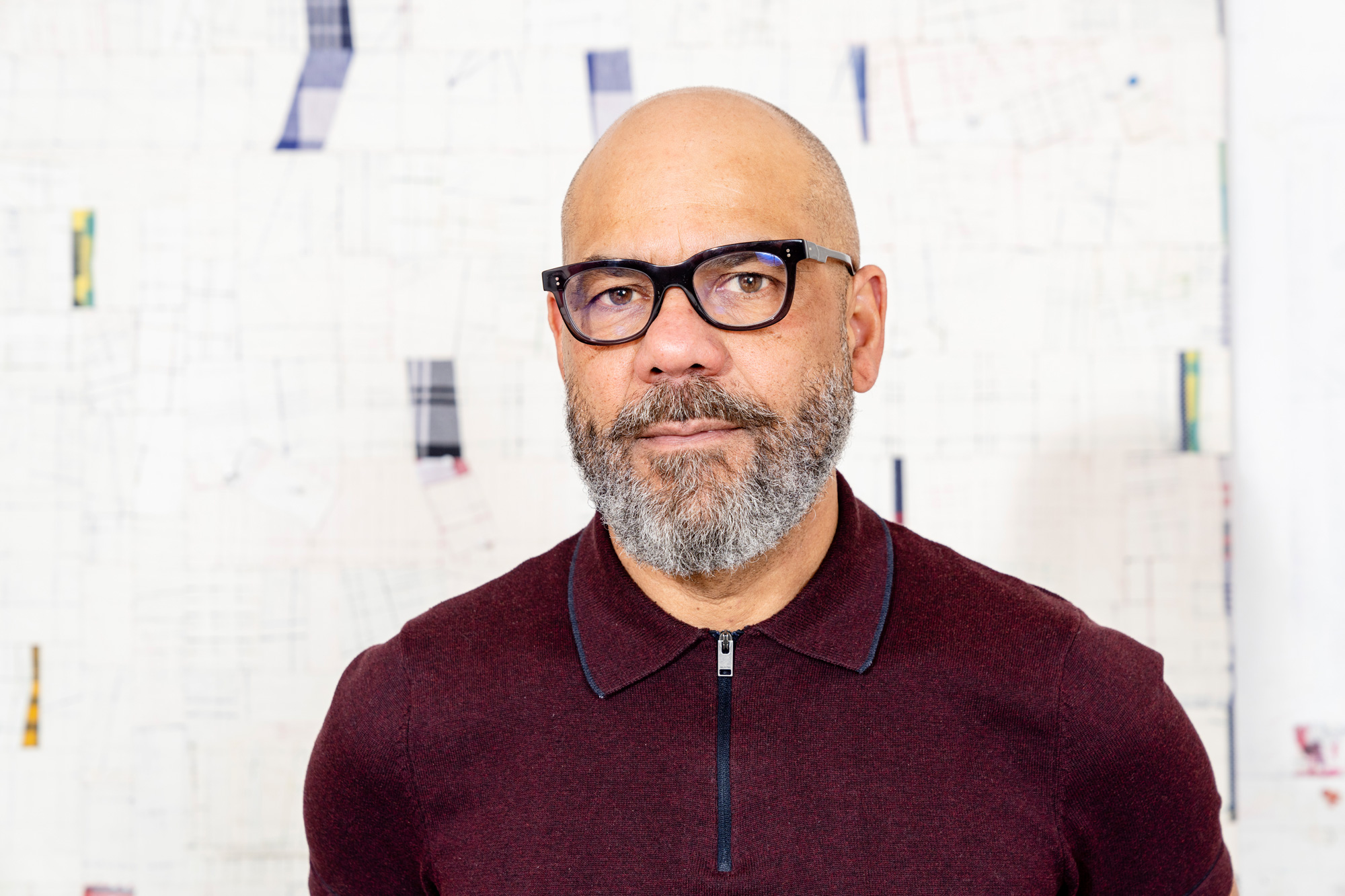
Visual artist Remy Jungerman will be awarded the Dr A.H. Heineken Prize for Art 2022. The jury praises the artist for the way he interweaves the cultures of the countries that define him: Suriname, the Netherlands, and the United States. By using geometric patterns and horizontals composed of panels varying of length, width, and colour, Jungerman creates a unique style and an extensive layering in his work. This form and connection of traditions offers the audience a new visual language that initiates a dialogue between disparate cultures.

The Dr A.H. Heineken Prize for Art is the biggest visual art prize in the Netherlands. The award was established in 1988 by Alfred H. Heineken to honour and encourage top talent in the arts in their development and to enhance their international prominence as artists. The Royal Netherlands Academy of Arts and Sciences is responsible for the nomination and selection process. Previous laureates include Ansuya Blom (2020) and Erik van Lieshout (2018).

Jungerman creates sculptures, paintings, and installations in which he combines elements from different cultures. Materials, traditions, and rituals from Africa and North and South America form the basis of his work and he incorporates them in a modernist way. Specifically, he draws much inspiration from the Maroons of Suriname, descendants of escaped enslaved people. He uses textiles from the Winti religion, which Maroons, among other beliefs and practices, adhere to, and kaolin, a porcelain clay used in this culture during rituals to purify bodies and objects. In his large installations, he also uses other materials from rituals. He wants to use the aesthetics of these materials to tell new stories. 

Jury praises combination of different traditions
The jury, chaired by Patricia Pisters, professor of Film Studies at the University of Amsterdam, is impressed by the body of work that Jungerman has steadily built up. In his installations, sculptures, paintings, and prints, he repeatedly manages to combine visual elements from different traditions in original ways. Although visually abstract, the jury describes his art as simultaneously physical and grounded. For example, in his work Visiting Deities, an installation around a long table of kaolin-treated blue-and-white and black-and-white chequered textiles, he uses Dutch river clay and water samples from the Amstel, Hudson, and Cottica rivers. Rivers on the three continents between which Jungerman travels. This layering makes the viewer think, according to the jury. Jungerman explains: ‘I thought it was important to install this table at the Venice Biennale. The Giardini, where the Biennale is held, has always been a glorification of the colonial past. There, all the rich countries could exhibit the wealth they had amassed from free labour through their colonies. As someone who comes from former colonial territory, I wanted to use the table to purify the space, and in doing so, to start the conversation.’ 

Follow-up research into Gee’s Bend quilts
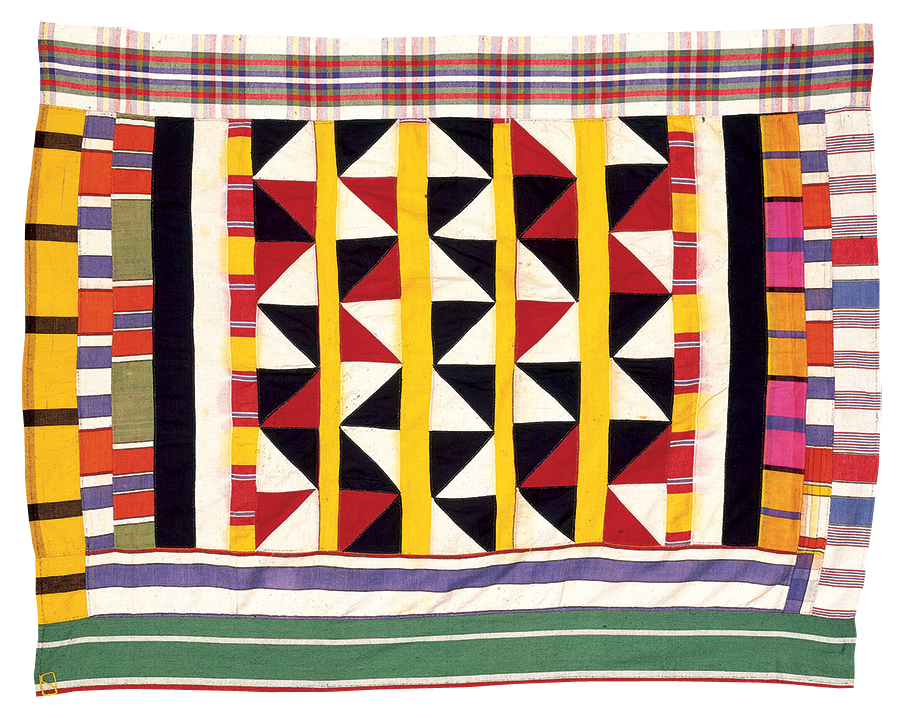
Jungerman will receive €100,000 funded by a private fund, the Dr. A.H. Heineken Foundation for the Arts; half of this is earmarked for a publication and/or exhibition. The award will allow Jungerman to broaden his field of work. For example, in the United States he plans to research Gee’s Bend quilts, a type of blanket made by women from the isolated African-American community of Gee’s Bend. They use similar geometries to the early Maroon shoulder cloths from the previous century. Jungerman wants to discover what the similarities are and, in doing so, tell the great story of that geometric journey from the African continent to North and South America.

About Remy Jungerman
Remy Jungerman (1959, Moengo, Suriname) is a visual artist. He studied at the Academy for Higher Art and Culture Education in Paramaribo in Suriname and continued his education at the Gerrit Rietveld Academy in Amsterdam. He was an artist-in-residence at Art Omi in New York in 2013 and at the International Studio & Curatorial Program, also in New York, in 2018. Jungerman represented the Netherlands at the Venice Biennale in 2019 with the exhibition The Measurement of Presence, with artist Iris Kensmil. Jungerman has exhibited frequently at home and abroad, including at the Kunstmuseum Den Haag, Prospect 3, the New Orleans Contemporary Art Triennial, the Lyon Museum of Contemporary Art, the Brooklyn Museum in New York, and the Havana Biennial. In late 2021 and early 2022, he curated a major solo exhibition at the Stedelijk Museum in Amsterdam, titled Behind the Forest.

Works of art

VISITING DEITIES, cotton textile, kaolin (pimba), painted wood, meranti table legs (58), dry river clay, nails, yarn, mirror and river water samples (Cottica SR, Hudson US, Amstel NL, 389 x 134 x 102 in. (975 x 340 x 260 cm) 2018 – 2019. Photography: Aatjan Renders. Collection: Kunstmuseum Den Haag.

VISITING DEITIES (Detail), cotton textile, kaolin (pimba), painted wood, meranti table legs (58), dry river clay, nails, yarn, mirror and river water samples (Cottica SR, Hudson US, Amstel NL, 389 x 134 x 102 in. (975 x 340 x 260 cm) 2018 – 2019. Photography: Aatjan Renders. Collection: Kunstmuseum Den Haag.

Saamaka Maroon shoulder cape, sewn early-20th century by Peepina (Suriname). Collection of Richard and Sally Price. Photography: Antonia Graeber. 

Quillt by Mary Elizabeth Kennedy c. 1935 Cotton and rayon 84 x 79 inches Collection of The Metropolitan Museum of Art Gift of the Souls Grown Deep Foundation. Photography: Stephen Pitkin/ Pitkin Studio.

Bruce Stillman

2024-06-11T09:55:27+02:00

The Royal Netherlands Academy of Arts and Sciences has awarded the 2020 Dr H.P. Heineken Prize for Biochemistry and Biophysics to Bruce Stillman, President of the Cold Spring Harbor Laboratory in the state of New York. Stillman is receiving the prize for his ground-breaking research on the way DNA is copied in eukaryotic cells, a process of fundamental importance to life on earth.

Stillman discovered various proteins that are involved in DNA replication
Bruce Stillman started to become interested in DNA replication when doing his PhD research on how the DNA of adenoviruses is copied. He later switched his focus from adenoviruses to the polyomavirus simian virus 40 (SV40), a DNA virus with the potential for causing tumours, and he ultimately used a yeast as the model system.

Stillman discovered numerous important factors that are involved in DNA replication in eukaryotic cells. These cells have a nucleus. Virtually all multicellular organisms — such as plants, animals, and humans — are eukaryotes. Stillman co-discovered the RPA protein (Replication Protein A), which binds to a strand of DNA to prevent it from winding back on itself so that the enzyme polymerase can copy the strand of DNA. He also discovered Replication Factor C and the CAF1 molecule that helps packaging proteins to bind around the DNA that has just been copied.

In his later research Stillman focused on the start of replication: where on the DNA does the copying process start and which protein molecules are involved? He discovered one of the binding factors, ABF-1, that binds at locations where copying starts. He also discovered the crucial molecular complex — the Origin Recognition Complex (ORC) — that determines the exact starting point, and unravelled how this complex ensures that the replication process is initiated in a controlled manner.

Stillman’s research has led to important insights that allow us to understand how our hereditary material is copied, and how this relates to many other processes within the cell. He opened an entirely new and important field of research. His research contributes to a better understanding of the origin of mutations that can lead to hereditary conditions such as cancer.

About the laureate
Bruce William Stillman was born in Melbourne, Australia in 1953. He studied at the University of Sydney and earned his PhD in 1979 at the John Curtin School of Medical Research at the Australian National University for his research into replication of the adenovirus DNA. He then continued his career in the United States, where he started as a postdoctoral fellow at the Cold Spring Harbor Laboratory. Stillman was appointed professor in 1985. He became the director of the Cold Spring Harbor Laboratory in 1994 and nine years later its President, positions he still holds today.

Stillman is a member of the American National Academy of Science, the American Academy of Arts and Sciences, a fellow of the Royal Society in London, a corresponding member of the Australian Academy of Science and a member of the European Molecular Biology Organization. He has received numerous awards for his work, including the Alfred P. Sloan Prize (2004), the Louisa Gross Horwitz Prize (2005), the Herbert Tabor Research Award (2014), and last year the Canada Gairdner International Award.

Ansuya Blom

2022-06-07T13:43:10+02:00

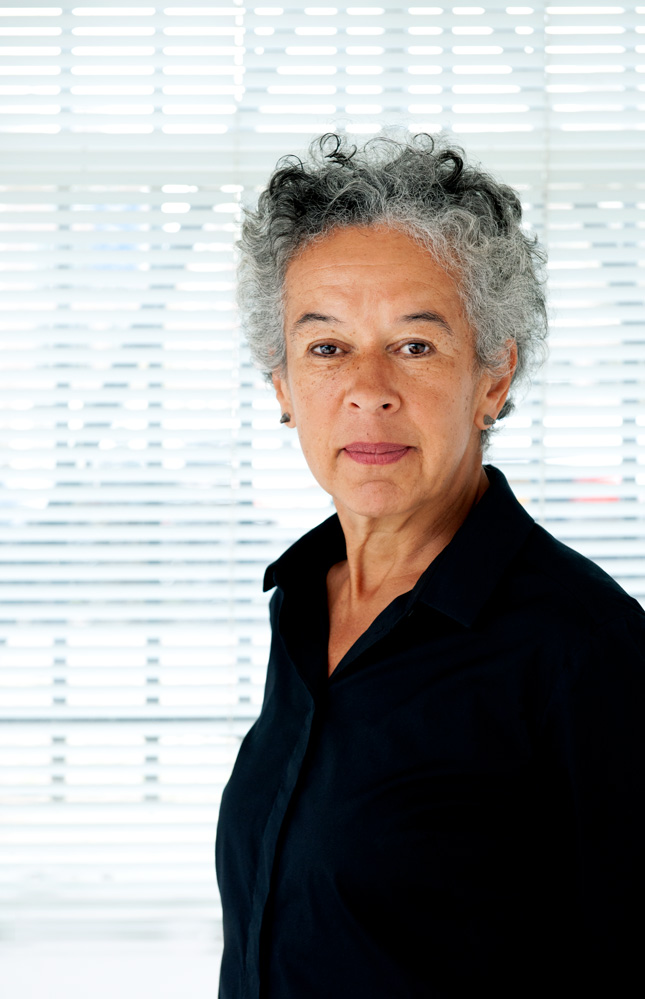
The international jury of the Dr A.H. Heineken Prize for Art 2020 has awarded the prize to visual artist Ansuya Blom. She will receive 100,000 euros, half of which is intended for a publication and/or exhibition. The jury described Ansuya Blom’s work as intimate, engaging and poetic.

Artist
Ansuya Blom (Groningen 1956) lives and works in Amsterdam. She studied at the Royal Academy of Art in The Hague and Ateliers ‘63 in Haarlem. Blom has been working in various art forms, including drawing, painting, photography, film, text, collage and sculpture, since the late seventies. In 1981 she received the Royal Award for Modern Painting. Her films have been screened at the International Film Festival Rotterdam, Rencontres Internationales Paris-Berlin, IDFA Amsterdam and at the Museum of Modern Art, New York. Her work can be found in the collections of museums, including the EYE Filmmuseum, Tate Modern and the Museum Boijmans Van Beuningen. She has had solo exhibitions at the Camden Arts Centre in London, the Douglas Hyde Gallery in Dublin, the Stedelijk Museum in Amsterdam and recently the Casco Art Institute in Utrecht. Blom also holds a master’s degree in psychoanalysis from Middlesex University in London and is an associate member of the Centre for Freudian Analysis and Research in London.

Ansuya Blom is an advisor at the Rijksakademie van Beeldende Kunsten in Amsterdam and was a guest advisor at art institutions in the United Kingdom, South Korea, Suriname and Indonesia in 2019. She is a regular speaker at public lectures, and in interviews and panel sessions, most recently at the Nola Hatterman Institute in Suriname, the EYE Film Museum, the Casco Art Institute and De Appel.

Jury report
Her work does not clamour for attention, nor does Ansuya Blom herself. She chooses to stay in the background and lets her work subtly penetrate. For more than forty years Blom has been steadily working on an oeuvre that explores the boundaries of the inner world of experience. In films, drawings, paintings, installations and texts, she always manages to get under the skin and portrays humankind’s struggle with itself and the environment in an engaging and poetic way. 

Blom’s work radiates a great social and societal commitment. With her interest in psychoanalysis and psychiatry, her work offers a space for the voices of those who are often not heard: the marginalised or forgotten people. The artist asks critical questions about the position of the individual, collective and society. At a time when much debate is polarised, her work is characterised by subtlety. Blom offers a look into the human soul, in all its fragile vulnerability, and does so authentically and autonomously. 

The jury also praised her generous attitude in the Dutch art world, where Blom repeatedly takes on the task of mentoring young artists. The Heineken Prize for Art comes at an important time, during which a new generation of artists and curators is rediscovering Blom’s oeuvre and becoming very interested in it. The prize increases this momentum and will enable Blom to make new connections.

Video

Ansuya Blom receives the prestigious Dr A.H. Heineken Prize for Art 2020

Works of art

Ansuya Blom, Lola Magenta, 2018, 11’09, videostill, courtesy the artist/ Galerie van Gelder

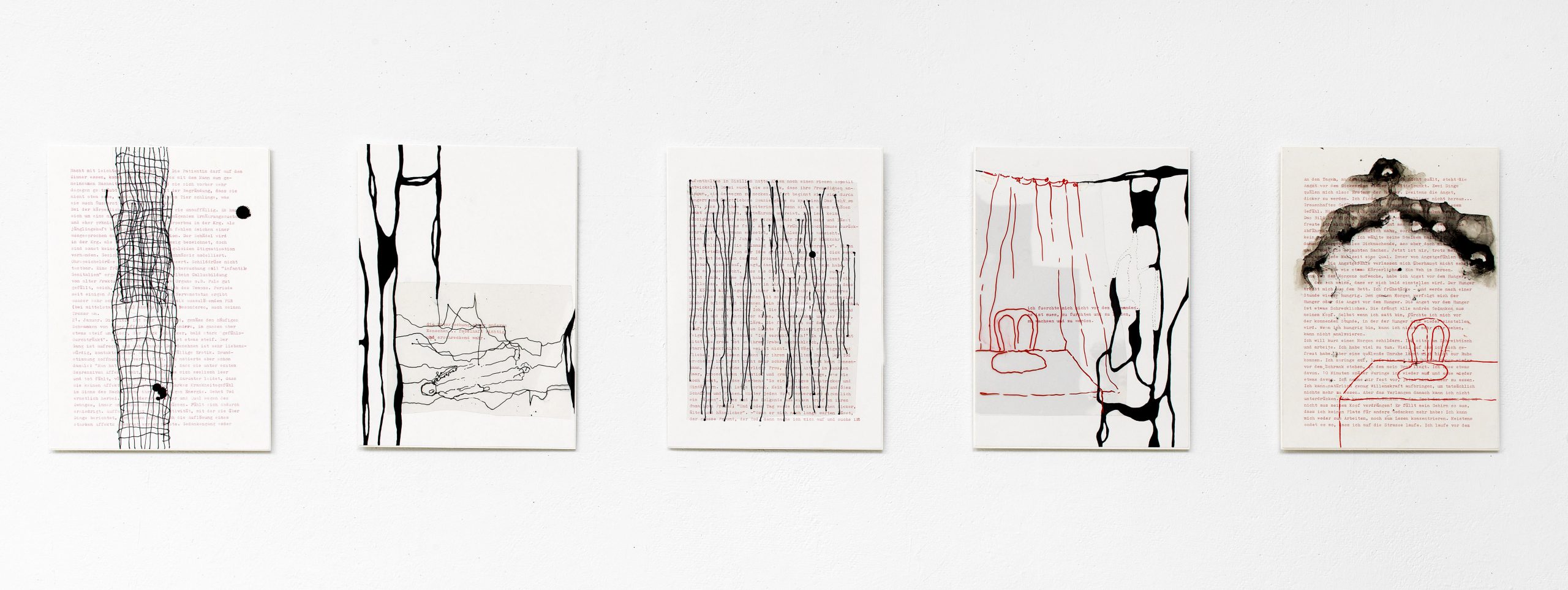
Ansuya Blom, Fragments (Ellen W.), detail – 36 drawings, 23×21,3cm each, photo GJ Rooij, courtesy the artist/Galerie van Gelder

Ansuya Blom, Portrait of Susanne U. 3, ‘11, 48×133 cm photo GJ Rooij, courtesy the artist/Galerie van Gelder

Ansuya Blom, Concept of Anxiety, ‘07-’08, photo Tom Haartsen, courtesy the artist/Galerie van Gelder

Ansuya Blom, Ysabel’s Table Dance, ‘87, 6’, still, courtesy the artist/Galerie van Gelder

Karl Deisseroth

2022-06-02T13:32:28+02:00

The Royal Netherlands Academy of Arts and Sciences has awarded the Dr A.H. Heineken Prize for Medicine 2020 to Karl Deisseroth, Professor of Bioengineering and of Psychiatry and Behavioural Sciences at Stanford University in California, and Investigator of the Howard Hughes Medical Institute in Maryland, USA. Deisseroth is receiving the prize for developing optogenetics — a method to influence the activity of nerve cells with light — as well as for developing hydrogel-tissue chemistry, which enables researchers to make biological tissue accessible to light and molecular probes. Both discoveries play an important role in current brain research.

Deisseroth took brain research a decisive step further
Deisseroth discovered that it is possible to use light of a certain wavelength to switch on a certain group of nerve cells, and if desired at the same time switch off another group with light of a different wavelength. This capability enables spectacular effects, such as influencing an individual subject’s perceptions and movements, and even higher brain functions. One can, for example, alter learning and memory, or change the motivation of an individual for specific actions. Already used around the world for scientific discoveries, optogenetics marks the onset of a true revolution in both basic science and neuropsychiatry, leading to mechanistic research and understanding of crippling conditions such as blindness, Parkinson’s disease, epilepsy, addiction, and depression.

The light-sensitive and transparent brain
Deisseroth first published on his optogenetics discovery in 2005. It had been known for many decades that some microorganisms have light-sensitive ion conduction (through pumps and channels). For example, certain algae are dependent on light to guide movement; when light shines on them, ion channels open and positively-charged ions flow into the cell, causing the single-celled alga to swim towards the light. In July 2004, Deisseroth succeeded in implanting the DNA that encodes these channels into rodent nerve cells and causing light-sensitivity, and over the next decade he developed ways to target specific nerve cell types — and even single cells — in living mice. As a result the targeted cells in the brains of mice could be stimulated with light to control behavior, far more precisely than with medication or electrical stimulation which affect multiple groups of brain cells.
In 2013, Deisseroth and his colleagues introduced another important technology, hydrogel-tissue chemistry. The initial form, called CLARITY, is a way of making brain tissue transparent and accessible to molecular labels, thus allowing researchers to see more clearly how the brain is constructed. Conventional microscopy techniques show nerve cells in detail, but these are two-dimensional images of wafer-thin slices. Some scanning technology, such as MRI and CT, displays three-dimensional images, but shows no details of cells. Achieving transparency through creation of a hydrogel-tissue hybrid, researchers can search through intact brain tissue and investigate which cells are connected and what kind of information they transmit; hydrogel-tissue chemistry variants have also allowed visualizing proteins anchored deep within tissue, reversibly changing tissue dimensions, and labeling and sequencing of RNA molecules in cells within native environments. Widely used for scientific discovery, these methods have also been applied by Deisseroth and colleagues to human tissue, including in patients with autism, epilepsy, and Alzheimer’s disease.

About the laureate
Karl Alexander Deisseroth was born in Boston (Massachusetts) in 1971 and studied biochemistry at Harvard University. He works one day a week in the clinic as a psychiatrist, spending the rest of his time on fundamental neuroscience research. Deisseroth has a tremendous record of achievements, as appears from his many discoveries and publications. In 2010 the journal Nature Methods proclaimed optogenetics to be its “Method of the Year”. Over the past ten years, Deisseroth has received more than 80 patents for his development of optogenetics and related technologies.
Deisseroth has won dozens of fundamental science prizes, including the McKnight Foundation Scholar Award, the National Academy of Sciences Lounsbery Award, the Breakthrough Prize, the Else Kröner Fresenius Prize for Medical Research, and the Kyoto Prize. Last year the journal Nature Biotechnology declared him the Number 1 “translational researcher across all fields”. He is an elected member of all three US National Academies (Sciences, Medicine, and Engineering).

Go to Top