Portfolio

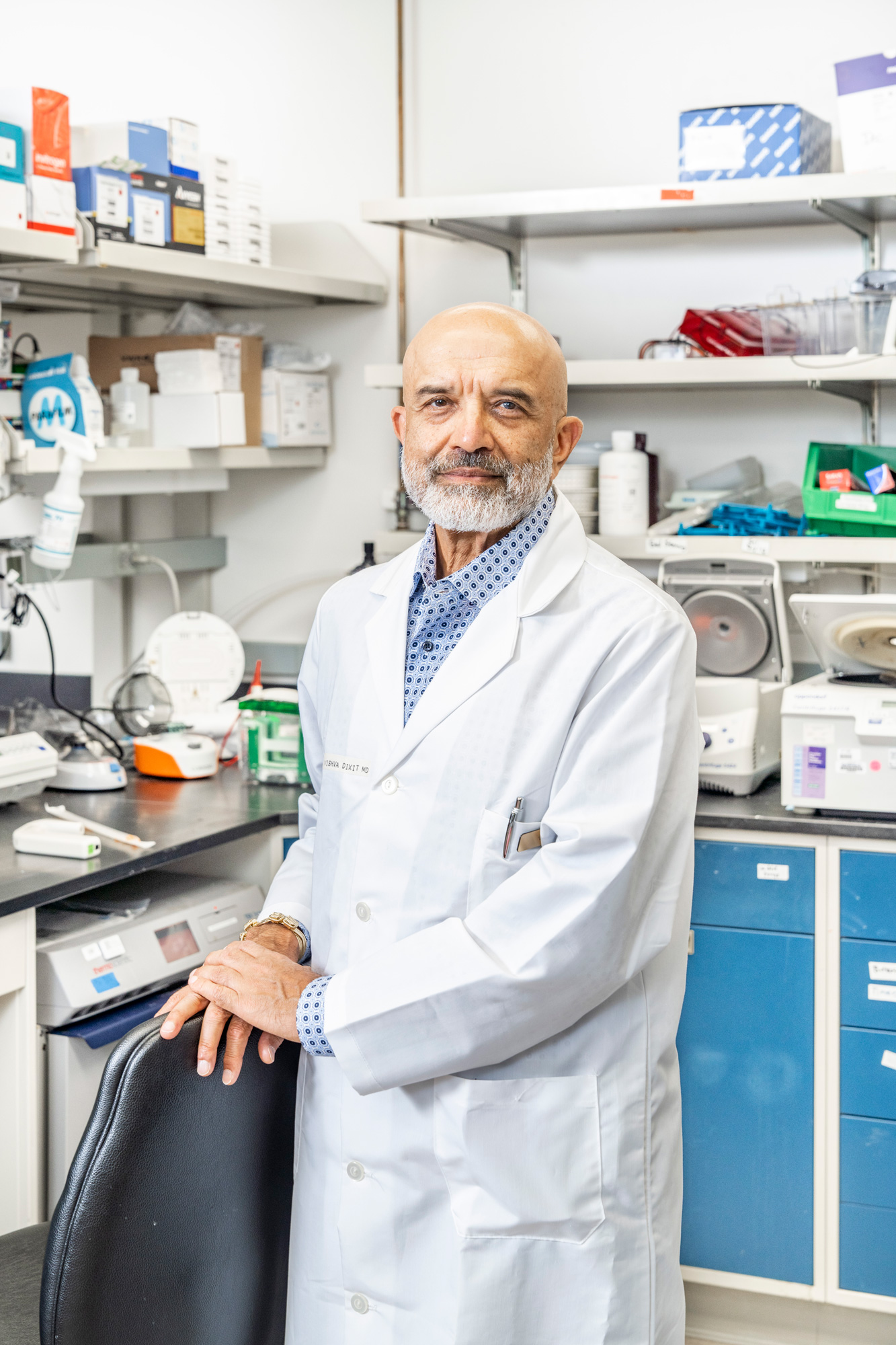
Interview with Vishva Dixit

2022-08-18T11:20:48+02:00

‘We live because we constantly die’

Most of the time, body cells die a silent, programmed death, but sometimes they burst like a balloon while loudly asking immune cells for help. Biomedical scientist Vishva Dixit unravels the underlying processes of the various forms of cell death, laying the foundation for treatments of various diseases such as cancer, Alzheimer’s, and sepsis. For his research, he received the Dr A.H. Heineken Prize for Medicine.

Lees dit interview in het Nederlands (NewScientist)

Every second, a million cells in our body die, amounting to one kilogram of dead cells per day. Our body rids itself of these cells because they are old, damaged or mutated and replaces them with new cells. This cleansing process is essential to life, but it walks a thin line. If too few cells die, mutated cells accumulate, which can lead to cancer. When more cells die than our bodies can replace, it leads to degenerative diseases such as Alzheimer’s. Vishva Dixit, vice-president of Early Discovery Research at the South San Francisco biotechnology company, Genentech, a member of the Roche Group, studies the mechanism responsible for the process of cell death. Because the better we understand it, the better we can understand diseases such as cancer and Alzheimer’s.

‘We live because we constantly die’, Dixit says. ‘For a long time, it was a great mystery exactly how our cells were made to die, and what the nature of the assassin was.’ He entered the field of cell death research at an interesting time. In the early 1990s, researchers discovered a ‘death receptor’ on the cell surface, activation of which ultimately led to cell death. But how exactly was not at all clear. In addition, American biologist Robert Horvitz discovered a gene that played an important role in programmed cell death in the C. elegans worm, which won him the Nobel Prize in 2002. For many years, it was unclear what the gene’s precise function was, but eventually it was discovered to code for a protease: a so-called ‘molecular scissors’. Once activated, these scissors shred the contents of the cell, causing the cell to die. ‘We began to wonder whether such a protease was involved in other organisms, including humans,’ says Dixit. ‘So, we did an experiment with a protein that is produced during infection with the cowpox virus. This protein inhibits the family of proteases. When we stimulated the death receptor in the presence of this inhibitor, the cells did not die, but without the inhibitor they did. From this we could conclude that a protease from this family had to play a role in cell death.

Years later, they identified the specific molecular scissors that cut up the cell. They called it Yama, after the Hindu god of death. Today, this protease is known by the somewhat more boring name of ‘caspase-3’. But a big question remained: how does the death receptor activate the molecular scissors? ‘The receptor had no obvious way of signalling. It looked like nothing we had ever seen,’ says Dixit. He eventually discovered that there were a few intermediate steps: the receptor eventually activates the molecular scissors via various intermediary adaptors. The knowledge of this signalling pathway forms the basis of several pioneering treatments that can be found in hospitals today. For example, this knowledge has been used to improve immunotherapy in cancer patients, by ensuring that immune cells initiate this chain reaction, killing cancer cells.

The kilo of cells that die in your body every day doesn’t hurt a bit. But in addition to this ‘silent’ form of cell death – apoptosis – there is also ‘loud’ cell death: necrosis. This occurs, for example, in the case of a cut, infection or burn. Dying cells alert immune cells to come and clear away the danger: they trigger an inflammatory response to destroy, for example, the pathogens. Dixit discovered that cells have different sensors for specific forms of danger, but that they trigger the inflammatory process in the same way.

These findings are important for treating sterile inflammation – inflammation without a pathogen, such as a bacterium, virus or parasite. ‘Sterile inflammation is at the heart of many first world diseases,’ says Dixit. ‘For example, they are behind atherosclerosis (hardening of the arteries), which leads to heart attacks. Furthermore, sterile inflammation accelerates degenerative diseases such as arthritis and Alzheimer’s disease. Our dream is to find a way to inhibit sterile inflammation without inhibiting the inflammatory response as a whole, because that makes you very susceptible to pathogens.’

Because damage to the cell membrane triggers sterile inflammation, you can target the receptor that detects that damage, known as NLRP3. For a long time, it was thought that it would not be possible to develop inhibitors for that receptor specifically. ‘But Mohamed Lamkanfi, a former postdoctoral researcher in my lab, demonstrated in 2017 that this was indeed possible,’ says Dixit. ‘He used analogues of sulphonylurea, a class of molecules used in the treatment of diabetes. These inhibitors were not very powerful; he needed a very high concentration. But because he demonstrated that it is possible, other researchers entered the field to develop more powerful inhibitors. And today, there are a number of NLRP3 inhibitors in clinical trials for the treatment of sterile inflammation.’

Blood poisoning
Sometimes there is a pathogen involved, to which the body reacts far too violently. This is the case with sepsis (blood poisoning). Bacteria such as Salmonella or E. coli cause an extremely severe inflammatory response. ‘Seven million people die of sepsis every year,’ says Dixit. ‘And despite all efforts, there is still no effective treatment.’ But there is hope: Dixit discovered that there is an alternative signalling pathway through which sepsis occurs. This opens the door to new methods of treatment.

In his research, Dixit frequently uses mice that have been genetically modified so that they lack one specific gene. By comparing them to mice that do have the gene, you can find out in which processes the gene plays a role. But in 2011, he accidentally discovered that mice widely used in the research field, on which hundreds of papers are based, were missing not one, but two genes. They not only lacked the gene for caspase-1, an enzyme that triggers an inflammatory response, but also the gene for another enzyme: caspase-11. ‘All the conclusions drawn about caspase-1 could just as easily apply to caspase-11,’ says Dixit. ‘We began to wonder what caspase-11 does, and modified mice so that they only lacked the gene for caspase-11. We found that these mice did not respond to a class of bacteria that includes salmonella and E. coli. So, we could conclude that these bacteria activate caspase-11, but we did not yet know how. The big surprise was that one specific molecule in the bacteria was responsible for this: LPS (lipopolysacharide). And this was the very molecule that was already known to be responsible for the majority of septic shock.’

Alternative route
The American immunologist Bruce Beutler had previously identified another receptor that responded to LPS and it was thought to mediate sepsis, for which he was awarded the Nobel Prize in 2011. But shortly thereafter Dixit, in 2013, discovered that there is another pathway to sepsis. In fact, he and his research group showed that this pathway is much more important, at least in mice. ‘If you can develop an inhibitor for caspase-11 or one of the proteins in the cascade, then you have a new opportunity to find a treatment for this disease,’ says Dixit. ‘My fondest hope is that we can find drugs that act on this pathway, reducing the disastrous effects of sepsis on mankind.’

Dixit is currently studying in greater detail what necrotic cell death looks like. ‘We are taught that this cell death is like a water balloon that you stick a needle into: it bursts, and the liquid is hurled in all directions. We recently discovered that a membrane protein, NINJ1, greatly accelerates this explosive process. The big mystery is: why? My hypothesis is that pathogens such as intracellular bacteria and viruses are rapidly ejected out of the cell so that immune cells can promptly clear them away. Moreover, in doing so, in one fell swoop, the bursting cell denies intracellular bacteria and viruses of the home they need to replicate. This is just a hypothesis; I could be completely wrong. But that’s the wonderful thing about research – you get to ponder things like that and then find out if you’re right.’

CV
Vishva Dixit (Kisii, Kenya, 1956) studied medicine at the University of Nairobi in Kenya. In 1981, he moved to the United States for a medical residency training programme at Washington University in St. Louis. In 1986, he was hired as faculty by the pathology department of the University of Michigan, where he was appointed a professor in 1995. Beginning in 1997, he held various positions at the biotech company, Genentech. He has been vice president of the Early Discovery Research Department since 2005. Between 1999 and 2008, he was also an adjunct professor of pharmaceutical chemistry at the University of California, San Francisco. Dixit has more than 50 patents to his name.

Research
Vishva Dixit studies how our bodies regulate the process of programmed cell death (apoptosis). He discovered which enzymes are involved in this process and how they activate each other in a chain reaction. This knowledge is used, among other things, to improve immunotherapy for cancer patients, with immune cells initiating this chain reaction, killing cancer cells. Dixit also studies necrosis, the cell death that occurs, for example, after a cut, burn or infection. Dying cells alert immune cells to come and clear away the danger: they trigger an inflammatory response. His findings have the potential to lead to improved treatment of arthritis, Alzheimer’s, and sepsis, among others.

Heineken Prizes
Every two years, Heineken Prizes are awarded to five renowned international scientists and one artist. In 1964, Alfred Heineken established the Dr H.P. Heineken Prize for Biochemistry and Biophysics as a tribute to his father. Later, Heineken Prizes for the Arts, Medicine, Environmental Sciences, Historical Sciences, and Cognitive Sciences followed.

Video

Vishva Dixit — Molecular Biologist
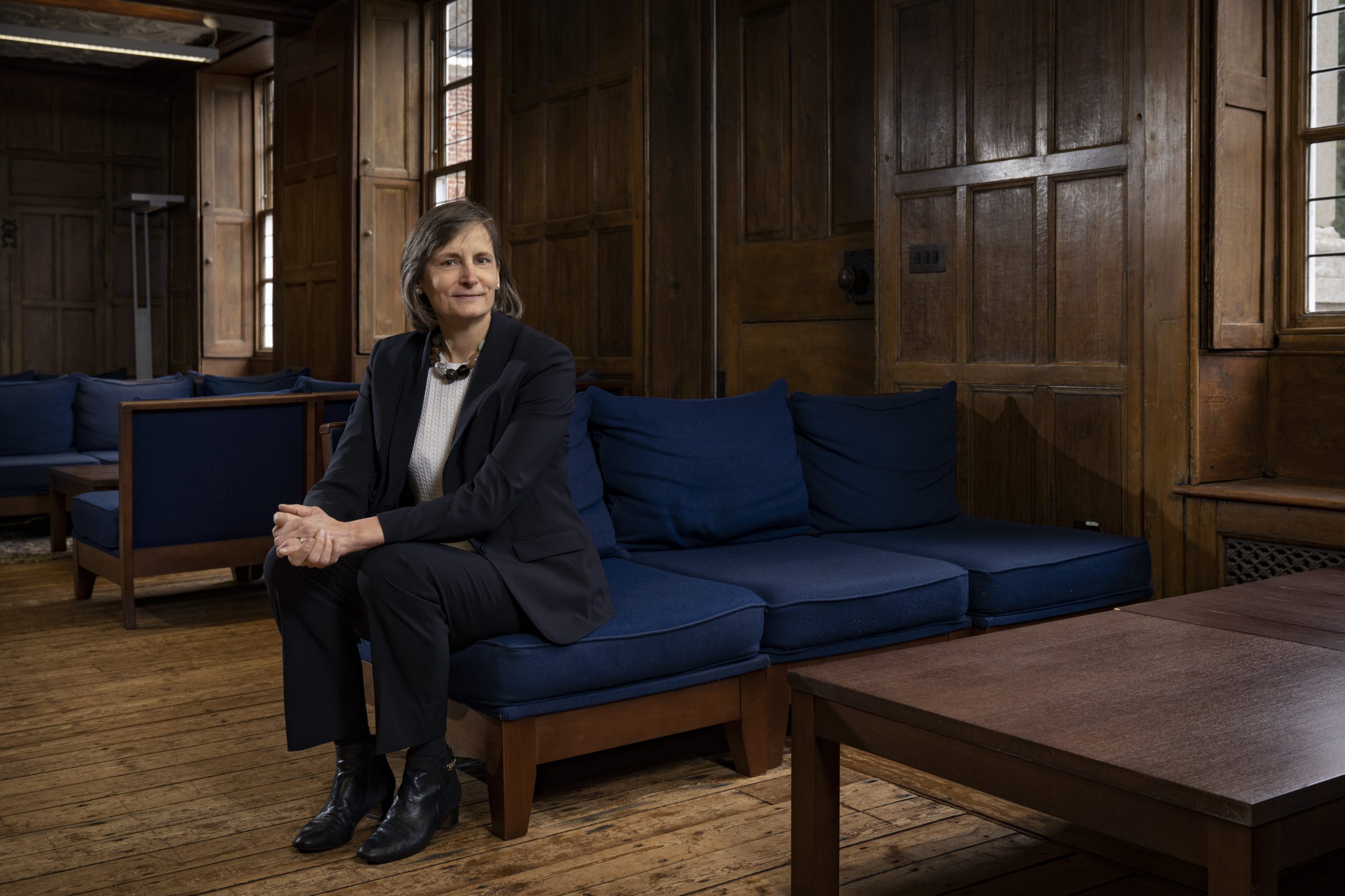
Interview with Corinne le Quéré

2022-08-09T15:06:05+02:00

Climate change dampens oceanic carbon sink

Oceans absorb a significant proportion of the CO2 emitted by humans from the atmosphere. Therefore, oceans have a significant effect on the amount of greenhouse gases in the air and, consequently, on the climate. But the service that the seas provide to humankind is under threat: climate change is making the oceans less and less efficient at absorbing CO2. Corinne Le Quéré, professor of climate change science at the University of East Anglia in the UK, accurately maps out the complex interaction between the oceans and the atmosphere. In 2020, she received the Dr A.H. Heineken Prize for Environmental Sciences for her work.

Lees dit interview in het Nederlands (NewScientist)

Every day, climate scientist Corinne Le Quéré uses advanced models to study how the world’s oceans respond to the changing climate. A little ironic: she only saw the ocean for the first time when she was eighteen. But her interest in the environment had already been aroused. ‘I grew up in the middle of the forests in Canada,’ says Le Quéré. ‘I was always very close to nature and often went camping in the wild during the holidays. My entire childhood was the true Canadian holiday that everyone dreams of. When I first saw the ocean at 18, it was fascinating, but my interest had already been piqued from growing up so close to nature, enjoying the weather and the elements.’ When Le Quéré went to university in the 1980s and 1990s, environmental science was still an unknown field of research. Le Quéré studied physics and went on from there to study oceanography and climate.

‘The oceans are doing us a great service,’ says Le Quéré. ‘They absorb about a quarter of the CO2 that we emit and therefore have a dampening effect on climate change. But this carbon reservoir is in turn susceptible to climate change, through changes in sea surface temperature, wind strengths, ocean circulation, and marine ecosystems.’ Le Quéré maps out this complex interplay and translates it into computer models, with which she studies how these processes have changed in the past, and what we can expect for the future.

In the depths
The oceans currently act as a so-called carbon sink: a carbon reservoir that absorbs more carbon than it emits. As a result, they slow down climate change. But at the same time, this carbon sink function is under threat from climate change. To understand why, it is first useful to know why the oceans currently act as a carbon sink. Human CO2 emissions increase the concentration of CO2 in the atmosphere. This leads to a difference in the ‘pressure’ of CO2 between the atmosphere and the ocean. To cancel out this difference, CO2 dissolves in the ocean. ‘What makes the ocean so absorbent are the chemical reactions that convert the CO2into bicarbonate,’ says Le Quéré. The benefit of this is that it isolates the carbon from the atmosphere. The bicarbonate is then transported to the depths of the ocean by ocean currents. This allows the ocean to continue to absorb new CO2. This process slows down climate change through CO2 emissions. The drawback is that this process also acidifies the ocean.’ This acidification is bad news for some organisms. For example, certain shells and fish bones may dissolve due to the higher acidity level. ‘We do not yet know what the consequences of this will be for the carbon cycle, but in any case, it will have a great impact on the ocean ecosystem.’

The factor that most determines the amount of CO2 the ocean can absorb is the transport of carbon into the depths. Because when it is removed from the ocean surface, the concentration there becomes lower, and the ocean can absorb new CO2. But that is not the only factor. ‘Climate change is warming the atmosphere and therefore surface water,’ says Le Quéré. ‘And CO2 is less soluble in hot water than in cold water.’ So, it is bad news: by warming up the climate, we are reducing the ocean’s absorption capacity, which we so desperately need to limit climate change.

Against the wind
Early in her career, Le Quéré made an important discovery. She was the first to use observations to show that the efficiency of CO2 absorption by the ocean had been reduced. ‘I analysed the Antarctic Ocean because the wind had increased there. This extra wind causes deep, carbon-rich waters to rise to the surface faster than normal. As a result, more natural carbon is emitted back into the atmosphere, and less man-made CO2 is absorbed.’

The innovative aspect of this research was that Le Quéré did not look at measurements in the ocean itself, but rather at the CO2concentrations in the air above the ocean. ‘We collected atmospheric measurements taken over a period of 25 years. Then we used a method called ‘inversion’. Suppose you measure the CO2 concentration at point A and point B, and the wind blows from A to B. If the CO2 concentration in point A is higher than in point B, you know that CO2 has ‘disappeared’. That CO2 has been absorbed by the ocean. So, by comparing two concentration measurements at a time, you can determine how much CO2 has been absorbed by the ocean between those points. We collected as many measurements as possible of CO2 concentrations around the Antarctic Ocean and combined them with weather data. This enabled us to demonstrate that the ocean’s carbon absorption had not increased, while CO2 emissions had risen by 40%. If efficiency had remained the same, carbon absorption should have followed the emissions, but it did not.’

The hole in the ozone layer was one of the main causes of the stronger winds in the area. It changed the circulation of air and accelerated the winds. ‘This raises a new major research question,’ says Le Quéré. ‘Because climate change also increases wind strength. In fact, climate change increases the winds in all seasons, while the hole in the ozone layer does so only in summer. I am currently trying to study how much the wind will increase in the coming period, and whether the effect on CO2 absorption will disappear when the ozone layer recovers or get worse due to climate change.’ Le Quéré studies the impact of climate change not only in the Antarctic Ocean, but all over the world. She was also the first to quantify the impact of climate change on the carbon sink function of the world’s oceans. ‘We demonstrated that it has become a little weaker due to climate change. A small part of this was due to warming of the ocean surface, but most was due to changes in the wind,’ says Le Quéré.

Ecosystems
And then there is another important factor for the carbon cycle in the oceans: ecosystems. ‘These ecosystems live in the upper part of the ocean,’ says Le Quéré. ‘But dead organisms or excrement can sink to the depths of the ocean. This is all material that contains carbon, and so a lot of carbon is transferred from the ocean surface to the depths of the ocean. This is part of a natural cycle: ocean currents eventually bring this carbon to the surface elsewhere. Initially, this cycle was evenly balanced. But acidification, warming, and oxygen depletion have affected such ecosystems. This also affects the carbon cycle.’

But how exactly is not yet clear. That is why Le Quéré creates models to map the complex interactions within ecosystems. ‘We have developed a way of representing ecosystems that does justice to the diversity in ecosystems but is not too complex to model. To do this, we divide organisms into groups that function in a similar way, for example because they all have shells, eat the same kind of food, show similar behaviour, or have a similar size.’ Le Quéré focuses on micro-organisms. ‘When we think of marine ecosystems, we often think of animals like fish or whales. But they do not affect the carbon cycle that much. The small organisms play a much bigger role.’

For each of these groups of organisms, Le Quéré and colleagues collect observations – for example, of their growth as a function of temperature or the amount of nutrients available. They do this in the laboratory or with measurements from ships. All this information is included in the model and used to calculate various scenarios. At present, they do not foresee any major changes in the carbon sink function as a result of changing ecosystems. But whether this will remain so in the long run is questionable. ‘We know that there have been major shifts in ecosystems in previous geological eras,’ says Le Quéré. ‘There have been situations in which organisms reuse all the carbon-rich material on the surface. Hardly any carbon sank to the bottom.’ Such a situation would be anything but favourable, as no carbon would be transported to the depths. ‘We are closely monitoring the ecosystems, to understand if or when this will happen again.’

Unpredictable
Modelling ecosystems is not easy. ‘You do not have natural laws like in physics,’ says Le Quéré. ‘It is much more unpredictable. You really have to observe ecosystems and try to mimic that behaviour in a model. When I first published my model based on the groups of similar organisms, two critical publications immediately responded. One claimed the model was far too complex; the author talked about “running before we can walk”. The other said that our model was far too simple. So, I thought: we have probably got it about right’, Le Quéré laughs. ‘They were both a bit right, of course. But now, some 17 years later, there are many new options. In addition to more computing power, we have, for example, underwater cameras that continuously take pictures in the ocean. With artificially intelligent computer programmes, we can detect which organisms are in a photo. This allows us to automatically process millions of observations.’

In the coming years, Le Quéré hopes to learn more about the stability of ecosystems. ‘I push my model to the limit, with, for example, extreme temperatures, acidification, oxygen depletion, or pollution, and see when the ecosystems collapse. This way, I can analyse how things go wrong in these cases. Then we can look in the ocean to see if there are any indicators that things are going in the wrong direction.’

Recommendations
In addition to her research, Le Quéré also advises governments on their CO2 emissions and how to deal with climate change. ‘I think it is very important for scientists to speak out, to show the evidence, so that governments and people can make informed decisions. That is why, throughout my career, I have spent about one day a week making science available to the public, and especially to policy makers.’ Currently, Le Quéré has a seat on the Climate Change Committee in the UK and chairs the French High Council on Climate. These are both independent advisory bodies to the governments. ‘There is much evidence that the recommendations of these commissions have accelerated action on climate change’, says Le Quéré.

In addition, Le Quéré initiated the Global Carbon Budget with colleagues in 2004. ‘At an annual meeting of the Global Carbon Project, the alliance of all global research on the carbon cycle, we discussed what the research community could do to support policy makers. Policy makers meet annually in climate summits, but we in the scientific community only issue an IPCC report once every six or seven years. To fill this gap, we decided to publish an update every year on how much CO2 was emitted the previous year and where that carbon ended up: in the atmosphere, the ocean, or on land.’ Le Quéré directed this publication, which was christened the Global Carbon Budget, for thirteen years. ‘It started out as a way of advising policy makers, but eventually it also proved to be a great boost for research regarding the carbon cycle.’

CV
Corinne Le Quéré (Magog, Canada, 1966) studied physics at the University of Montreal in Canada. She then obtained her master’s degree in atmospheric and oceanic sciences from McGill University, also in Montreal. In 1999, she obtained a PhD in oceanography from Pierre and Marie Curie University in Paris (now Sorbonne University). Following several positions, she was appointed Royal Society research professor of climate change science at the School of Environmental Sciences at the University of East Anglia in Norwich, UK, in 2019. Le Quéré initiated the annual publication Global Carbon Budget in 2004 and was author of several IPCC reports. She currently has a seat on the Climate Change Committee in the UK and chairs the French High Council on Climate.

Research
Corinne Le Quéré studies how the carbon cycle in our oceans is changing under the influence of climate change. Every year, the oceans absorb an average of one quarter of the CO2 emitted by humans from the atmosphere. This carbon reservoir is in turn susceptible to climate change, through changes in sea surface temperature, wind strength, ocean circulation, and marine ecosystems. Le Quéré studies the interactions between these components in the recent past, and makes projections for the future. She was the first to demonstrate that increases in winds in the Antarctic Ocean are leading to less efficient absorption of CO2, and linked this to the depletion of the ozone layer. Le Quéré currently focuses on studying the different processes and ecosystems in the sea with great details. Thanks to new measurement techniques, she can create a complex model of how marine ecosystems respond to climate change and how this affects the carbon cycle.

Heineken Prizes
Every two years, the Royal Netherlands Academy of Arts and Sciences awards the Heineken Prizes to five renowned international researchers and one artist. The first of the prizes, the Dr H.P. Heineken Prize for Biochemistry and Biophysics, was established in 1964 by Alfred H. Heineken, in honour of his father, Dr Henry P. Heineken. To this award were subsequently added Heineken Prizes for Art (1988), Medicine (1989), Environmental Sciences (1990), and History (1990). The daughter of Alfred Heineken, Charlene L. de Carvalho-Heineken, is continuing this tradition. The C.L. de Carvalho-Heineken Prize for Cognitive Sciences (2006) is named after her.

Video

Corinne le Quéré — Oceanographer

Interview with Bruce Stillman

2022-07-26T16:39:56+02:00

The genetic copier unravelled

At any given moment in every body, many millions of cells are engaged in a complex process: copying DNA within the cell. Before a cell can start dividing, each piece of genetic material is copied with great precision. For many years, the workings of this so-called DNA replication were a great mystery. Bruce Stillman, professor of biochemistry and president of Cold Spring Harbor Laboratory in New York State, made important contributions to unravelling this mystery. In 2020, he received the Dr. H.P. Heineken Prize for Biochemistry and Biophysics for his work.

Lees dit interview in het Nederlands (NewScientist)

In Bruce Stillman’s office, there is a beautiful crystal on which a replica of the first lens made by Antoni van Leeuwenhoek is displayed. That lens opened the world of microbes and cells to the human eye. This work of art is the Heineken trophy he received for is pioneering research. One of the first things Van Leeuwenhoek saw through his microscope around 1670 was the sediment in beer. At first, he thought he was looking at some dead cells, but later he found he had seen yeast cells, alive and well and essential to the process of brewing beer. It so happens that Stillman owes many of his breakthroughs to an important choice: about forty years ago, he decided to start using yeast cells for his research. The yeast S. cerevisiae, which is used to make bread, wine, and beer, enabled him to identify many proteins that play a role in copying DNA in cells.
Indeed, while Stillman is enthusiastically talking about his research, many millions of cells in his body are busy. All DNA and associated proteins are copied with great precision before a cell can proceed to divide. For example, in the human body’s bone marrow alone, a billion metres of DNA are meticulously copied every minute – a feat of no small magnitude. But despite the insanely complex molecular machinery, equipped with various control mechanisms, this process sometimes goes wrong. ‘One of the reasons I became interested in the subject of DNA replication is because this process goes wrong in cancer,’ Stillman says. ‘I wanted to understand how this process really works, and what exactly goes wrong in that case.’ Stillman devoted his career to unravelling this biological copier. He and his colleagues identified many proteins that play an important role in the replication process and unravelled how they interact.

Simultaneous copying
If you want to copy a strand of DNA, you might think: I’ll just start at one end, and copy until I get to the other end. But the hard data quickly make you face facts. ‘If you only had one starting point, a so-called origin of replication, it would take months to replicate an entire chromosome’, Stillman says. ‘In reality, there are a lot of these starting points. As a result, the copying process only takes about eight hours in human cells.’
Very efficient, but this requires good coordination. First, the copying proteins must somehow know where to start copying. ‘You cannot start in the same place twice, because then you get duplicate sections’, Stillman says. ‘You cannot skip a starting point either, because then a piece of DNA is thrown away.’ One of his major breakthroughs was to unravel how this simultaneous start is managed. ‘The replication process starts with proteins binding to DNA at specific locations’, Stillman says. ‘The breakthrough that Steve Bell, a postdoc in my lab, and I made in 1992 was the discovery of the Origin Recognition Complex, which is the enzyme machinery that gets the whole process going.’

Ready, set, go!
This Origin Recognition Complex, ORC for short, is a protein that recognises a starting point in the DNA strand and binds to it. Next, ORC gathers a series of other proteins around it, many of which Stillman has also identified. All together, they form what is known as the pre-replicative complex. This complex gives ‘permission’, as it were, to start DNA replication. Once the starting signal is given, the copying proteins begin copying from the starting points. After that, the pre-replicative complex is destroyed. ‘This complex cannot then be reassembled until the fully copied and original chromosomes are pulled apart and placed in two separate cell nuclei’, Stillman says. ‘This ensures that the copying process cannot be started multiple times within one cell cycle.’
To figure out exactly how this all works, Stillman and colleagues had to find a way to distinguish between the formation of the pre-replicative complex and the actual copying of DNA. To do this, they first studied viruses that infect cells of primates. In these cells, the virus uses much the same machinery as primates to replicate its viral DNA. So, the same proteins that copy human DNA also copy viral DNA. ‘In my lab and that of my colleague Thomas Kelly, we identified many of these proteins,’ Stillman says. ‘Thanks to this research, we discovered many proteins that play an important role in the human replication process.’

Baker’s yeast
However, viruses did not solve the issue of how this replication process gets started in cell chromosomes. An important step toward unravelling this mystery was the decision to work with yeast. Stillman’s eye fell on Saccharomyces cerevisiae, a yeast used to make bread, wine, and beer. Yeast proved to be a perfect organism for his research because it allowed him to apply both biochemical and genetic techniques. ‘The reason we started working with yeast was because there was a suggestion that the starting points, the origins of replication, in yeast are defined by specific DNA sequences.’
This indeed turned out to be the case. Step by step, Stillman and student York Marahrens studied which nucleotides (the building blocks of DNA, better known by the letters A, C, G, and T) are required for DNA replication. They did this by comparing normal strands of DNA with mutated versions. ‘We identified four pieces of DNA code required for DNA replication,’ Stillman says. ‘We had origins that worked, and origins that did not work. The difference between the working and non-working versions was only one letter in the genetic code. Colleague Stephen Bell used that information to identify proteins that bound to the working origins, and not to the non-working ones.’ The proteins that bound to the working origins combined to form what they called the Origin Recognition Complex.

Good choice
In their yeast research, they discovered not only ORC, but also other proteins that together with ORC formed the pre-replicative complex, not just in yeast cells. ‘Eventually in my lab we also found the human ORC, by following the evolutionary path from yeast to humans’, Stillman says. ‘I knew at the time that this would open up a whole new field of research. But when we found ORC, we were initially very cautious. Indeed, people had previously claimed to have found the critical protein that bound to the origins. But each time, it turned out not to be true. People began to believe that no such protein existed. But thanks to our analysis with the origin mutations, the evidence was very strong. It is very rewarding to spend six or seven years working on a hypothesis that could very well be wrong but turns out to be right in the end.’
Only recently did Stillman fully realise how beneficial their choice of baker’s yeast had been. In 2020, he published a paper on the evolution of ORC. In it, he showed that baker’s yeast and some related yeasts are the only species on the planet in which the origins are characterised by specific DNA sequences. This does not occur in any other organism – fungi, insects, plants, animals. So, it would have been very difficult to find ORC with their mutation analysis in any other organism. And they just might have chosen a different organism. ‘In the mid-1980s, I was talking to yeast researchers’, says Stillman. ‘I asked them what it was like to do biochemistry with yeast. Some of them said: “Don’t do it, it’s awful.” Fortunately, we did not listen to them at the time.’

Packaging
In addition to the start of the replication process, Stillman unravelled many other aspects. ‘I vividly recall one moment from when I was working in the lab myself. I identified the protein we called CAF-1, Chromatin Assembly Factor 1, for the first time.’ CAF-1 helps to bind packaging proteins around the newly copied DNA. In the end, the DNA forms a structure together with these packaging proteins that ensures that it is stored well protected. ‘I will always remember that moment. I sat down and thought: “This is going to be really big.”’ Stillman and colleagues discovered many other proteins, including the so-called Replication Protein A, a protein that binds to a single strand of DNA to keep it from curling up during copying; ABF-1, one of the proteins that bind at locations where copying starts; and Replication Factor C, a protein that loads a protein called Proliferating Cell Nuclear Antigen (PCNA) that helps the copying machinery and CAF-1 to duplicate and package the copied DNA. Many patients with the autoimmune disease systemic lupus erythematosus make antibodies against PCNA.
‘It turns out that all these proteins do not just play a role in DNA replication’, Stillman says. ‘They also play an important role in DNA repair, DNA recombination (which occurs when mixing the DNA of two parents, among other things), and a process called checkpoint signalling. If damage is detected during DNA replication, such as that caused by UV light or X-rays, a signal is sent to stop the cycle of cell division until repair has taken place. Replication Protein A appears to be the primary signal for this.’
In case of damage, DNA repair enzymes digest the DNA strand that has damage, leaving single-stranded DNA behind. This does not belong in a human cell, where all the DNA is neatly contained in the double-helix structure. ‘Replication Protein A binds to that single-stranded DNA, and that is the signal for the temporary stopping process. The cell division cycle can only progress once the damage is fixed, by creating double-stranded DNA again’, Stillman says. ‘I am quite proud of the fact that these proteins play a role in many different processes. The impact is much broader than we thought when we started this.’
Not only environmental factors such as UV light or X-rays can cause damage. When you consider how complicated the DNA replication process is, and how many different proteins are involved, it is not hard to imagine that very occasionally something goes wrong in the copying process itself. ‘In the bone marrow alone, 500 million red and white blood cells are produced every minute’, Stillman says. ‘Multiply that by the 2 meters of DNA that needs to be copied in each cell, and that means a billion metres of DNA are copied every minute. You could wrap that around the earth along the equator about 25 times. We know today that about half of all cancers are caused not by environmental influences such as sunlight or smoking, but by the intrinsic process of making mistakes during DNA duplication. These mutations accumulate over a person’s lifetime. And even though the process of DNA replication is very accurate, if we could make it even more accurate, we could significantly slow down the onset of cancer in people’s lifetimes. It would be wonderful if we could get that done.’

Rare genetic disorder
In addition to cancer, Stillman’s research is making an important contribution to understanding a very different disease. In 2011, he stumbled upon a series of publications about a very rare genetic disorder: Meier-Gorlin syndrome. People with this condition suffer from a specific form of dwarfism. Unlike more common forms of dwarfism, in people with Meier-Gorlin the head is also smaller than usual, proportional to the small body size. But even though these patients have a brain that is about twice as small, their intelligence is not necessarily lower than average. According to the publications, mutations in DNA replication genes, which code for ORC and other proteins, were the cause of the syndrome. But the symptoms could not be explained purely on the basis of errors in the DNA replication process. ‘Thanks to our research, we now know that ORC and other replication proteins play a much larger role in the cell cycle’, Stillman says. ‘Many of these other functions were found to be impaired in people with Meier-Gorlin syndrome. So, thanks to our fundamental research, we were able to explain this syndrome.’
But what Stillman finds most valuable is this fundamental knowledge itself. ‘I have been very fortunate to be able to pursue the discoveries that end up in textbooks and are part of the knowledge of who we are and how our genetic information is passed on from one generation to the next. I find it quite extraordinary that the human genome shares gene sequences with bacteria that evolved many billions of years ago and with yeast that evolved hundreds of millions to a billion years ago. All that time, their DNA sequences were being copied to eventually produce modern species with related genes. Evolution has maintained processes that have been in place for a very long time. The proteins that copy DNA, which are similar in yeast and humans, have been doing so for a very long time.’

CV
Bruce Stillman (Melbourne, Australia, 1953) studied at the University of Sydney, and received his PhD from the John Curtin School of Medical Research at the Australian National University. He continued his career in the United States, where he started as a postdoc at Cold Spring Harbor Laboratory in New York State. He has been a professor of biochemistry there since 1985. In 1994, he became director of Cold Spring Harbor Laboratory, and since 2003 he has held the position of president there. In addition to the H.P. Heineken Prize for Biochemistry and Biophysics, Stillman has received the Herbert Tabor Research Award, The Louisa Gross Horwitz Prize, the Canada Gairdner International Award, and the Australian Advance Global Impact Award, among others.

Research
Bruce Stillman studies how the replication process of DNA works in eukaryotic cells – cells that contain a nucleus. This includes the cells of almost all multicellular organisms, such as plants, animals, and humans, as well as many unicellular organisms, such as yeast. Thanks to his research, we better understand how our genetic material is copied and how this relates to other processes in the cell. Stillman also studies where this process goes wrong in diseases such as cancer. His research provided an explanation for the rare genetic disorder Meier-Gorlin syndrome.

Video

Bruce Stillman — Biochemist

Liesbeth van Vliet

2024-06-11T09:14:27+02:00

Health psychologist (1985), connected to Leiden University, has been awarded the Heineken Young Scientists Award 2022 in the field of Social Sciences. The jury praised her important contribution to improving the quality of healthcare for seriously ill patients, thanks to better communication between doctor and patient. Van Vliet’s research into how communication can help and harm patients shows a valuable translation between research and society.

The Heineken Young Scientists Awards are awarded every two years to four highly promising young researchers working in the Netherlands. The winners are selected from four fields of science: Medical/Biomedical Sciences, Humanities, Natural Sciences, and Social Sciences. The Royal Netherlands Academy of Arts and Sciences is responsible for the nomination and selection process. The award includes a cash prize of EUR 10,000 and a work of art. Previous laureates in the field of Social Sciences include Anna van Duijvenvoorde (2020) and Marie-José van Tol (2018). The award was created in 2010 by Charlene L. De Carvalho-Heineken.

About the study
Van Vliet studies forms of communication that make patients feel better, e.g., experiencing less stress and better remembering information, or feel worse when confronted with a serious illness. She is at the cutting edge of health communication, palliative care, and placebo and nocebo effects. In the laboratory, for example, she uses video vignettes to study the effects of certain ways of communicating. She also uses observational research in the medical office to look at the specific elements of communication and how they relate to patient outcomes. For example, one of her analyses shows that terminally ill patients feel better under the care
of more empathic doctors, and that they also remember more of a conversation with this type of doctor. This makes Van Vliet a versatile researcher who not only seeks answers to fundamental questions, but also knows how to translate the results into practice.

Jury praises direct application of knowledge in daily life
The jury admires the way in which Van Vliet actively engages in outreach. She regularly appears in newspapers and magazines, presents her work for professionals and other interested parties, and organises scientific events for a wide audience. Her work is also included in clinical bad-news guidelines and is thus directly applied in the consulting room on a daily basis. With her work, Van Vliet makes an important contribution to improving the quality of care for seriously ill patients.

About Liesbeth van Vliet
Liesbeth van Vliet (Lusaka, Zambia, 1985) studied clinical and health psychology at Erasmus University Rotterdam and obtained her PhD in 2013 for her research on communication during the transition to palliative breast cancer care at Utrecht University/Nivel. After her PhD, she worked for several years at the Cicely Saunders Institute at King’s College London. Currently, Van Vliet is a lecturer at the Department of Health, Medical, and Neuropsychology and KWF Young Investigator at Leiden University. In addition to the Heineken Young Scientists Award, she has also received the KNAW Early Career Partnership (2021), the Dutch L’Oreal-UNESCO for Women in Science Award (2019), and a KWF Young Investigator Grant (2018).

Jordi Tura i Brugués

2024-06-11T09:14:41+02:00

Mathematician Jordi Tura i Brugués (1987), connected to the Lorentz Institute at Leiden University, has been awarded the Heineken Young Scientists Award 2022 in the field of Natural Sciences. The jury praised his pioneering contributions to the theory of quantum entanglement and nonlocality. He adapted Bell’s theorem, which is used to show entanglement of two particles, to fit large numbers of particles. An important step for the further development of the quantum computer and the quantum internet.

The Heineken Young Scientists Awards are awarded every two years to four highly promising young researchers working in the Netherlands. The winners are selected from four fields of science: Medical/Biomedical Sciences, Humanities, Natural Sciences, and Social Sciences. The Royal Netherlands Academy of Arts and Sciences is responsible for the nomination and selection process. The award includes a cash prize of EUR 10,000 and a work of art. Previous laureates in the field of Natural Sciences include Freddy Rabouw (2020) and Peter K. Bijl (2018). The award was created in 2010 by Charlene L. De Carvalho-Heineken.

About the study
Tura i Brugués has pioneered the development of quantum algorithms and mathematical methods to demonstrate quantum entanglement. He devised a way to translate Bell’s inequality theorem, which measures the nonlocality of two particles, to large numbers of particles. Thanks to his theoretical work, it has become possible for the first time to demonstrate the existence of Bell correlations in half a million rubidium atoms. Such Bell correlations imply the existence of entanglement, which is one of the quantum properties that potentially makes a quantum computer so incredibly powerful. The more particles you can entangle, the more powerful the quantum computer. Tura i Brugués’ method for measuring Bell correlations can therefore be used to understand the computing power of quantum computers. Tura i Brugués is currently working on the development of quantum algorithms, which allow him to perform calculations on quantum computers. Among other things, he is developing quantum algorithms for complex optimisation problems, certification tasks, quantum machine learning, and the unravelling and prediction of the precise development of chemical reactions. He adapts these algorithms for the quantum computers that will be available in the near future.

Jury praises translation of complex mathematics into predictions
According to the jury, Tura i Brugués serves as an example for young researchers. He shows that fundamental research into the foundations of physics can be combined with pioneering work on technological applications. Quantum computers calculate in a fundamentally different way. That is why the potential is enormous, but in order to make use of that potential, it must be managed in a completely different way. Tura i Brugués has the rare ability to translate complex mathematics into predictions that can be tested in the laboratory. For example, the method he developed on the degree of Bell correlations could now be tested on the first generation of quantum computers.

About Jordi Tura i Brugués
Jordi Tura i Brugués (Girona, 1987) studied mathematics and telecommunications engineering at the Universitat Politècnica de Catalunya in Barcelona. In 2015, he obtained his PhD with honours from the Quantum Optics Theory group of the Institut de Ciències Fotòniques (ICFO), also in Barcelona. He remained at the ICFO for another year as a postdoctoral researcher. In 2016, he moved to the Max Planck Institute of Quantum Optics in Munich for a second postdoctoral position. Since 2020, he has been a lecturer at the Lorentz Institute at Leiden University, where he is a leader of the Applied Quantum Algorithms research group. In addition to the Heineken Young Scientists Award, he has received a Google Research Scholar Award (2021) and an ERC Starting Grant (2021).

Fleur Jongepier

2024-06-11T09:14:53+02:00

Philosopher Fleur Jongepier (1986), connected to Radboud University Nijmegen, has been awarded the Heineken Young Scientists Award 2022 in the field of Humanities. The jury praised her research into the growing power of algorithms and how this affects the human capacity for autonomy and self-knowledge. Jongepier is able to combine high-level fundamental research with an active and important role in the current social debate.

The Heineken Young Scientists Awards are awarded every two years to four highly promising young researchers working in the Netherlands. The winners are selected from four fields of science: Medical/Biomedical Sciences, Humanities, Natural Sciences, and Social Sciences. The Royal Netherlands Academy of Arts and Sciences is responsible for the nomination and selection process. The award includes a cash prize of EUR 10,000 and a work of art. Previous laureates in the field of Humanities include Mark Dingemanse (2020) and Maartje van der Woude (2018). The award was created in 2010 by Charlene L. De Carvalho-Heineken.

About the study
Jongepier studies how the growing power of algorithms affects the human capacity for autonomy and self-knowledge. She raises the topical question of whether we can still make autonomous choices in the face of online manipulation. In doing so, Jongepier examines the tensions between ‘algorithmic authority’ and ‘first-person authority’. Is it bad if we listen to algorithms more often than to individuals, and if so, why? And in which cases is it good to listen to algorithms rather than to individuals? Jongepier believes that when organisations increasingly rely on algorithmic systems, people are increasingly treated as objects. The fact that people have a point of view or a need becomes ‘facts’ about people that are used to guide or even manipulate them.

Jury impressed by active role in social debate
According to the jury, Jongepier’s appealing way of demonstrating the importance of in-depth scientific research and at the same time helping the public to form opinions is impressive. She asks questions and brings to the surface problems that society would otherwise ignore. Her active and important role in the current social debate translates into publications in Trouw, NRC, and de Volkskrant as well as in the prestigious Times Higher Education. In addition, she is one of the founders of the Bij naderzien philosophy blog. She also likes to sit in on talk shows every now and then.

About Fleur Jongepier
Fleur Jongepier (Eindhoven, 1986) studied philosophy at Utrecht University. She completed a research master’s degree at Radboud University Nijmegen and received her PhD summa cum laude for her research on self-knowledge. She then held various appointments, including postdoctoral researcher at the University of Cambridge. Since 2018, she has been an ethics lecturer at Radboud University in Nijmegen. Recently, she and a colleague published a volume, The Philosophy of Online Manipulation (open access). In addition to the Heineken Young Scientists Award, she has been awarded a NWO Veni grant, a Niels Stensen Fellowship, and a NWO grant for a PhD in the humanities.

Laura Kervezee

2024-06-11T09:15:03+02:00

Chronobiologist Laura Kervezee (1989), who works at Leiden University Medical Centre, has been awarded the Heineken Young Scientists Award 2022 in the field of Medical/Biomedical Sciences. The jury praised her research into the biological clock and its practical translation into the improvement of patient care. The chronobiological knowledge that Kervezee provides, gives insight into ways of keeping the biological clock healthy in our 24-hour society and other situations in which the clock becomes disturbed, such as when ageing or in hospital. In health care, these insights are used to improve the functioning of drugs and therapies.

The Heineken Young Scientists Awards are awarded every two years to four highly promising young researchers working in the Netherlands. The winners are selected from four fields of science: Medical/Biomedical Sciences, Humanities, Natural Sciences, and Social Sciences. The Royal Netherlands Academy of Arts and Sciences is responsible for the nomination and selection process. The award includes a cash prize of EUR 10,000 and a work of art. Previous laureates in the field of Medical/Biomedical Sciences include Meta Roestenberg (2020) and Joost Snijder (2018). The award was created in 2010 by Charlene L. De Carvalho-Heineken.

About the study
Kervezee is fascinated by the biological clock and its effect on health and disease. Her research focuses on the effects of the biological clock on ageing, disease, and bodily functions such as sleep, metabolism, and the immune system. She also studies the effect of the disruption of this internal clock on physiology and health, for example in night shift workers and hospital patients. For example, her research shows that the effectiveness of drugs depends on the time at which they are taken. She shows that by applying chronobiological knowledge in healthcare, patient care can be improved in a simple way.

Jury praises translation into public communication
It is unique how Kervezee manages to clearly communicate the complex data from her research to society, according to the jury. She gives workshops for NEMO Science Museum and creates teaching materials about the biological clock for secondary schools. With her research, she not only contributes to the fundamental knowledge of the biological clock, but she also looks for ways to counteract the disruption of our internal clock, which promotes health. Her work is noticed by national media, setting an example for a new generation of scientists.

About Laura Kervezee
Laura Kervezee (The Hague, 1989) studied biomedical sciences at University College Utrecht. She then completed a master’s degree in neuroscience at University College London and obtained a doctorate from Leiden University Medical Centre for her research on the biological clock. She is now researcher and chronobiologist at the Circadian Clocks group of the Department of Cell and Chemical Biology at Leiden University Medical Centre. In addition, she is co-initiator and co-coordinator of the BioClock Consortium, a national network of researchers and social partners focusing on restoring and maintaining the health of the biological clock in modern society, which was recently launched thanks to a grant from NWO. In addition to the Heineken Young Scientists Award, she recently received a ZonMw Veni grant for her project ‘It’s about time’ and has won previous awards including the KHMW Essay Award (2015) and the McGill MedStar Award (2019).

Interview with Carl Folke

2022-07-20T10:51:46+02:00

We simplified the biosphere more and more

As humans, we are putting great pressure on all of Earth’s ecosystems. Environmental scientist Carl Folke was one of the first to realise that we can only solve this problem by examining society and nature as one. For his research on resilience of people and planet, bringing together science and policy, he received the Dr A.H. Heineken Prize for Environmental Sciences.

Lees dit interview in het Nederlands (NewScientist)

If you want to safely invest your savings, do not put all your money in one company, but spread it out over several companies. That way, you will not lose all your money in one fell swoop if disaster strikes that one company. Most people gladly take this advice to heart. After all, you want to manage your hard-earned money safely. But when it comes to another important prerequisite of our existence – the Earth – we as humanity do just the opposite. ‘We simplified the biosphere, the thin layer around the Earth’s surface in which all life resides, more and more,’ says Carl Folke. ‘Because of our actions, there are far fewer different types of organisms, the resilience of the entire terrestrial and ocean ecosystem has eroded.’ Folke is director of the Beijer Institute of Ecological Economics and founder and chair of the board of the Stockholm Resilience Centre. He was at the forefront of the theory that describes the resilience of social and ecological systems. ‘Many people look at resilience in the sense of recovery: being able to spring back to a certain equilibrium,’ Folke says. ‘But we look at it completely differently. We see resilience as the capacity to live with changing circumstances, and to deal with surprises.’

An important prerequisite for this is diversity. ‘In an ecosystem, all kinds of functions must be fulfilled,’ Folke explains. ‘Ideally, there should be several species performing a particular function. If one species is then eliminated, it is not a problem. In coral reefs, for example, you have species that make sure there are enough nutrients, but you also have so-called grazers. These are very important: they remove the dead coral, creating space for new coral to grow. In Caribbean coral reefs, there were originally many kinds of grazers: sea turtles, all kinds of fish, sea urchins. But due to overfishing, of these only sea urchins remained. In 1983, the sea urchins were wiped out by a pathogen. The absence of grazers prevented new coral from growing, but allowed algae to grow, and within five years the reef had been completely taken over.’

The same fate seems to befall many other ecosystems: we gradually reduce the diversity and, therefore, the resilience, after which a small shock, such as a virus or a storm, gives the system the final push towards a less desirable balance or even collapse. ‘Even if you look at the Earth as a whole, we have made the biosphere a lot less resilient in the last 60 years,’ Folke says. ‘We have greatly simplified landscapes and oceans, through intensive agriculture and overfishing, for example. In doing so, we have reduced the resilience to shocks. At the same time, climate change is increasing the shocks from extreme weather events, for example. That is not a good combination.’

Early in his career, Folke realised that you cannot solve this problem by considering humans as external factors affecting ecosystems, as was common at the time. People are not an external factor; they are embedded in the systems. Therefore, Folke linked the concept of resilience to these so-called social-ecological systems. ‘It does not make research any easier when you study social-ecological systems as a whole,’ Folke laughs. Nevertheless, he has made significant strides. Not only does he ask how the resilience of these systems changes, but he also explores how we can increase that resilience. ‘For example, we are looking at municipalities that have made a successful transformation to sustainable nature management. We can use that knowledge to help other municipalities, counties, and whole nations.’

On a larger scale, Folke recently mapped out which parties play a major role in ocean ecosystems. ‘We found that there were thirteen transnational fishing companies that together shape the food networks in the ocean. We are currently working with the CEOs of ten of them and trying to get them to stop seeing themselves purely as food producers and start seeing themselves and acting as stewards of the ocean. We are learning together how to maintain the resilience of the ocean, based on scientific understanding. We have been doing this for about six years now and it is going very well. I see this as a new kind of science, in which we use the best available scientific information to engage in dialogue with influential parties and spur them into action.’

Nature as a service provider
Folke realised during his studies that you cannot see economics and ecology in isolation from each other. ‘I initially studied business economics because we had a family business,’ Folke says. ‘But gradually I became interested in the way ecosystems support people’s lives. Gross domestic product, which measures economic progress, consists of goods and services. Back then, nature was included purely in the form of goods: raw materials. In 1983, in my master’s thesis, I was one of the first to make a quantitative analysis of the services that ecosystems provide us. I calculated what these services, such as pollination, water supply, and climate regulation contributed to our economy.’

One way we often use these days to show what the planet is doing for us is the ecological footprint: the amount of land or water surface area a population needs to sustain its consumption and waste production. Folke played a major role in developing this concept. ‘Biologist William Rees coined the term, and we developed a way to use it to illustrate the importance of ecosystems as service providers. In the mid-1980s, we began a calculation for fish farming. People thought at the time: we should not continue to empty the ocean, so we should farm fish instead. But we showed that you have to feed the farmed fish with fish caught in the ocean, fish which eat smaller fish and smaller fish eat animal plankton, and so on.’ At the base of that food pyramid are algae, which are fed by sunlight. But to ‘produce’ enough fish for the farmed fish required a sea surface area of algae production as large as 40 to 50 thousand times the surface area of the fish cages. They also made such calculations for the services of land-based ecosystems, which revealed that all of the world’s mega-cities require gigantic amounts of forest and marine systems to sustain them, for such things as food production and materials. ‘We wanted to show: whether you like nature or not, you depend on nature no matter what.’

Overloaded
Later, with his colleagues, Folke was part of introducing the concept of planetary boundaries. They defined nine different dynamic limits that humanity must stay within in order to continue to live well on the Earth’s services, for example, in the areas of warming, biodiversity, water scarcity, and ocean acidification. ‘With this, we wanted to make it clear that we depend on a healthy planet,’ says Folke. ‘A good metaphor is that of the Plimsoll mark on a ship. That is the point up to which you can load the ship, because otherwise it will sink. We are now close to the Plimsoll mark on Earth.’

Despite the pessimistic scenarios he faces daily, Folke remains positive. ‘It is a great challenge for us as humans to reconnect ourselves with the planet we live on. Sometimes you can get despondent about this because we see that positive actions are too slow. On the other hand, I would argue that we are in a kind of cultural revolution, in the way we look at ourselves as a species, in relation to the planet. You can see this in the new European Union legislation and in the actions of many companies. In the past few years, financial markets have also been trying to phase out fossil energy and move toward sustainable solutions. They are even starting to look at things like biodiversity. If you had told someone that ten years ago, they would not have believed you. But it is happening right now, and that is encouraging. So, I think we are on the right track, the only problem is that it needs to be a little faster. Whether it will be on time, the jury is still out on that. But in any case, we gave our species the name Homo sapiens, the wise human, so who knows?’

CV
Carl Folke (Stockholm, 1955) studied business economics and received his PhD in ecological economics from Stockholm University in 1990. In 1991, he became deputy director of the Beijer Institute of Ecological Economics, part of the Royal Swedish Academy of Sciences, also in Stockholm. Since 1997 he has been professor of Natural Resource Management at Stockholm University. In 2007, he founded the Stockholm Resilience Centre, together with Johan Rockström, where he has been scientific director ever since. He also became director of the Beijer Institute in 2007. In addition to the Dr A.H. Heineken Prize for Environmental Sciences, awards he has received include the Sustainability Science Award from the Ecological Society of America, the Planet and Humanity Medal of the International Geographical Union, and the Oceanographic Institute of Monaco’s Grand Medal Albert I in Science.

Research
Carl Folke studies how we can use the resources and services the Earth provides in a more sustainable way. He argues that social systems and ecosystems should not be studied in isolation, but rather considered as an integrated whole. He was instrumental in developing resilience theory for these social-ecological systems. As humans, we lower this resilience, making systems more vulnerable to disruption. Folke bridges the gap between science and policy and works with municipalities and companies to find sustainable solutions. He is at the forefront of influential concepts such as the ecological footprint, resilience, and Earth stewardship.

Video

Carl Folke — Environmental scientist

Kia Nobre

2024-06-11T09:15:17+02:00

Kia Nobre, professor of Translational Cognitive Neuroscience at the University of Oxford, will be awarded the C.L. de Carvalho-Heineken Prize for Cognitive Science 2022. The award honours her innovative approach to imaging and understanding the human brain as well as the impact of this work on numerous subfields of cognitive neuroscience, including attention, working memory, long-term memory, and language.

The Heineken Prizes are the Netherlands’ most prestigious international science prizes. Every two years they are awarded to five distinguished researchers. The Royal Netherlands Academy of Arts and Sciences is responsible for the nomination and selection process. During the first week of June, a 2022 laureate will be announced every weekday. Previous laureates of the C.L. de Carvalho-Heineken Prize for Cognitive Science include Robert Zatorre (2020) and Nancy Kanwisher (2018). The award was established in 2006 by Charlene L. De Carvalho-Heineken.

About the study
Nobre studies how our brains combine signals from our environment and our memory to shape experiences and direct perception, attention, language, and behaviour. Among other things, she focuses on how our brain can concentrate on the most relevant signals from the environment and the relevant items in our short-term memory. She explains: ‘At its core, selective attention is the prioritisation and selection of relevant information by our brain to anticipate and modify our behaviour. At any given moment, there is a gigantic number of signals available, coming from external stimuli from our surroundings and internal stimuli such as memories. These signals are constantly competing to be processed in the brain. Selecting and synthesising the most relevant signals amidst all these distractions is essential for building coherent sensory perception, understanding and producing language, and accomplishing everyday tasks like cooking or driving.’

Nobre’s research group has played a major role in developing knowledge of the structure of the brain’s attentional control network. Among other things, she discovered that the brain can make predictions about the timing of relevant events, and that these predictions determine where we focus our attention and, so, influence our perception. Nobre recently developed new methods to study how long-term memories affect our perception. Nobre uses the knowledge she gains about the brain to research what happens in the case of neurodegenerative diseases. The knowledge of how the brain processes information and creates a mental experience is of great importance for education, for example.

Jury praises pioneering role in cognitive science
The jury, with chair Roshan Cools, professor of cognitive neuropsychiatry at Radboud University Nijmegen and the Donders Institute for Brain, Cognition, and Behaviour, is impressed not only by the depth but also by the breadth of Nobre’s research, and its impact. It has identified her as a pioneering and distinguished researcher who has helped to pioneer the transition from cognitive psychology to cognitive neuroscience. Nobre was among the first to use several revolutionary techniques to image the brain. For example, early in her career, she measured brain activity via electrodes in the brains of epilepsy patients who had had these electrodes implanted. This led to the discovery of new areas of the brain that play a role in processing words, a major breakthrough in understanding the language network in the human brain. The jury also recognises her commitment to promoting diversity and inclusion, for her exceptional mentoring and leadership skills, and calls her a role model for women scientists.

About Kia Nobre
Kia Nobre (Rio de Janeiro, 1963) grew up in Rio de Janeiro and studied neuroscience at Williams College in Williamstown. In 1993, she received her PhD in neuroscience from Yale University. After a postdoc at Yale and a research position at Harvard Medical School, she moved to the United Kingdom in 1994. She became a faculty member of the Department of Experimental Psychology and a tutorial fellow at the University of Oxford, and was promoted to professor of Cognitive Neuroscience in 2006. Since 2010, she has been director of the Oxford Centre for Human Brain Activity. In 2014, she became the first Chair of Translational Cognitive Neuroscience. Nobre is a member of the British Academy, Academia Europaea, and National Academy of Sciences in the USA. In addition to the C.L. de Carvalho-Heineken Prize for Cognitive Science, awards she has received include the MRC Suffrage Science Award, the Broadbent Prize, and the APS Mentor Award.

Video

Lecture laureate C.L. de Carvalho-Heineken Prize for Cognitive Science 2022 – Kia Nobre

Carl Folke

2024-06-11T09:15:28+02:00

Carl Folke, director of the Beijer Institute for Ecological Economics and founder and chair of the board of the Stockholm Resilience Centre, will be awarded the Dr A.H. Heineken Prize for Environmental Sciences 2022. The award honours his pioneering role in the integrated approach to sustainability issues. The environmental scientist was one of the first to argue that society and nature must be examined as a whole in order to maintain the resilience of Earth’s social and ecological systems.

The Heineken Prizes are the Netherlands’ most prestigious international science prizes. Every two years they are awarded to five distinguished researchers. The Royal Netherlands Academy of Arts and Sciences is responsible for the nomination and selection process. During the first week of June, a 2022 laureate will be announced every weekday. Previous laureates of the Dr A.H. Heineken Prize for Environmental Sciences include Corinne Le Quéré (2020) and Paul Hebert (2018). The award was established in 1990 by Alfred H. Heineken.

About the study
Folke laid the foundation for the theory that describes the resilience of social and ecological systems. Resilience is seen as the degree to which ecosystems can regenerate after disruption. Resilience defines the capacity to live with changing conditions, and to cope with predictable and unpredictable events, such as increasingly frequent extreme weather events. The loss of species due to the way in which humans interact with nature reduces the resilience of the entire terrestrial ecosystem and, therefore, the certainty of its continued existence. Early in his career, Folke realised that you cannot solve this problem by considering humans as external factors affecting ecosystems, as was common at the time. People are part of the ecosystems they are changing. By linking the concept of resilience to these so-called social-ecological systems, Folke makes the case that the world can only be improved by starting with ourselves.

Folke explores how this resilience can be increased by bridging the gap between science and policy. For example, he is seeking sustainable solutions with various governments and companies. He explains: ‘We are studying municipalities that have made a successful transformation to sustainable nature management. That knowledge in turn can be used to help other municipalities, counties, and countries.’

Jury praises Folke’s visionary view of sustainability science
Folke has played a crucial role in a cross-disciplinary approach to more sustainable use of the earth’s resources. The jury, with chair Wim van der Putten, department head of Terrestrial Ecology NIOO-KNAW and special professor of Functional Biodiversity at WUR, underlines that thanks to Folke’s vision, thinking about the sustainability challenge has changed: life on planet Earth is not limitless. He was at the forefront of influential concepts such as the ecological footprint, resilience, and Earth stewardship. In addition, he has brought science and policy together and ensures mutual knowledge sharing and understanding. The establishment of, among other things, the Stockholm Resilience Centre allows scientists from very different disciplines to work together to solve sustainability issues on a global level.

About Carl Folke
Carl Folke (Stockholm, 1955) studied business economics and biology, and received his PhD in ecological economics from Stockholm University in 1990. In 1991, he became deputy director of the Beijer Institute of Ecological Economics, part of the Royal Swedish Academy of Sciences. In 1997, he became professor of Natural Resource Management at Stockholm University. In 2007, he founded the Stockholm Resilience Centre, together with Johan Rockström, where he has been scientific director ever since. He also became director of the Beijer Institute in 2007. In addition to the Dr A.H. Heineken Prize for Environmental Sciences, awards he has received include the Sustainability Science Award from the Ecological Society of America, the Planet and Humanity Medal from the International Geographical Union, and the Oceanographic Institute of Monaco’s Grand Medal Albert I in Science.

Video

Lecture laureate Dr A.H. Heineken Prize for Environmental Sciences 2022 – Carl Folke

Go to Top