Portfolio

Interview with Ruedi Aebersold & Matthias Mann

2024-06-11T10:04:00+02:00

“To really understand biological processes, you have to research the complex interplay between all proteins”

Proteins are involved in all processes in our body. Biochemists Ruedi Aebersold and Matthias Mann are identifying the proteins in our cells and how they interact with each other. In doing so, they are unravelling the intricate machinery that controls our bodies and are laying the groundwork for drugs that intervene when these processes are disrupted. For this, they will receive the 2024 Dr H.P. Heineken Prize for Biochemistry and Biophysics.

Lees dit interview in het Nederlands (NewScientist)

Late last century, biochemists thought: if we can identify all genes and their functions, we will understand how humans, animals, and other organisms work. This proved a pipe dream. Genes are only the blueprint for proteins, and the proteins are the actual workhorses in our cells. To really understand biological processes, it is not enough to study the blueprint alone. Ruedi Aebersold, professor emeritus at the ETH Zurich in Switzerland, and Matthias Mann, professor at the Max Planck Institute for Biochemistry in Martinsried, realised that you also have to research the complex interplay between all proteins, and between proteins and other molecules. In doing so, they pioneered a new field that studies the collection of all these proteins: proteomics.

‘Initially, people thought there was a clear pathway from a specific gene to a specific function,’ Aebersold explains. ‘A piece of DNA forms the code for a specific protein, and that protein performs a specific function in the cell, or so the thinking was. We now know that biology is much more complex.’ The main reason: one protein typically does not perform one specific function but interacts with all kinds of different proteins or other molecules to perform different functions. ‘You can compare it to our society,’ says Aebersold. ‘In society, people have different roles as well. For example, someone is a biochemist, a father, and the coach of a football team. In all these roles, he works with different people in different contexts, performing all kinds of different functions together. We want to identify the properties of all 5 to 10 billion protein molecules in a cell. On the one hand, we want to know the characteristics of proteins: how heavy are they, what is their structure? And on the other hand, we want to know how they interact with each other in the context of a cell and what functions they perform with these interactions.’

Aebersold and Mann were instrumental in developing the techniques to make this possible. The first step is to identify which proteins are present in a cell. Proteins are very long chains of 20 different basic building blocks: the amino acids. These chains are folded together in an intricate way. The identity of each protein is defined by the sequence of its amino acids.

Peptide puzzle
One of the main techniques you can use to identify a protein is mass spectrometry. You could see a mass spectrometer as fancy scales. But ‘weighing’ proteins as a whole does not offer enough information about their identity. This way, you cannot determine the sequence of the hundreds to thousands of amino acids that make up the protein. Therefore, biochemists first cut up proteins into smaller pieces called peptides and determine the masses of those. They then chop up such peptides into even smaller pieces: random chains of a few amino acids each. They also determine the masses of these chains. Using all this information, they can figure out the amino acid sequence of a peptide. If they identify several peptides from the same protein, they know which protein they are dealing with.

Mann developed the first algorithm to solve this complicated puzzle. ‘It is very difficult to determine from all those different masses of protein fragments exactly how the protein is put together,’ he says. ‘One morning, it suddenly occurred to me how we could do this. I programmed the idea, and it turned out it worked.’ As peptides are chopped into random fragments, groups of fragments are also created that differ by only one amino acid each. Mann’s algorithm searches for such groups and uses this information to reconstruct pieces of the amino acid sequence. It then searches a database to see which known peptide contains all these sequences, and also has the correct total mass. ‘Looking back, this has been the most important moment of my career,’ says Mann. ‘Thanks to this algorithm, a lot of important proteins were later discovered.’

Electrical charge
Mass spectrometers work completely differently from kitchen scales. A crucial step of mass spectrometry is that you give the peptides an electrical charge. Then you can accelerate them with an electric field towards a detector, and the length of time they take on this journey indicates their mass. Lighter peptides will move faster towards the detector than heavier fragments, and so you can accurately determine the mass of each peptide.

During his PhD, Mann worked on this crucial part: ensuring that the peptides receive an electrical charge. ‘My supervisor, John Fenn, was working on a cool technique to turn a solution of molecules into a spray with electrically charged molecules. At the time, nobody thought this would work, but I immediately thought it would be very exciting if it did. Then you could use this process, for example, to analyse proteins. I had a background in physics myself, and in my mind, these were extremely complex and interesting systems. We worked on this technique, and eventually succeeded in making it suitable for analysing proteins. In 2002, Fenn received the Nobel Prize in chemistry for this work.’

One drawback was that you needed large amounts of a particular protein, many more than there are in a cell, for example. Mann therefore later adapted the technique in his own lab to study very small amounts of proteins, so that mass spectrometry could actually be used to study the proteins of living systems.

Isotopes
‘Initially, the aim of proteomics was to create overviews of all the different proteins present in a sample, for example in an extract of a particular cell type,’ says Aebersold. ‘But for biologists it is even more interesting to find differences between different cell types or cell states, for example between healthy and diseased cells. You want to be able to compare how much of a particular protein is present in these different cells.’ To achieve quantitative comparisons, it is often insufficient to pass the two samples through the mass spectrometer one after the other. Due to the many complex processing steps in a mass spectrometer, sometimes a higher proportion of peptides makes it to the detector than at other times. This is not a problem if you only want to chart which proteins are present, but it is a problem if you want to know exactly how much of each protein there is.

To compare samples quantitatively, mass spectrometrists have used stable isotopes. These are variants of the same chemical element that have a slightly different mass. Aebersold developed a method to attach labels with light or heavy isotopes to the protein fragments. This makes the protein fragments from one sample just slightly heavier than the equivalent protein fragments from the other sample. You can then mix both samples and send them together through the mass spectrometer. You now measure a slightly lighter and a slightly heavier version of each peptide. Because they went through the mass spectrometer at the same time, you can compare very precisely the abundances of these different variants. This way you can ultimately determine whether, for example, a sick person has more of a certain protein in their cells than a healthy person. Mann developed a variant of this method. In this process, you place proteins in a nutrient medium and make sure they replace their amino acids with variants made of light or heavy isotopes.

‘With these methods, we can study proteins in blood, for example,’ says Mann. ‘These proteins are in contact with your organs. If, for example, you are developing liver disease, the amounts of protein in your blood may change. If we can spot that early, you can change your lifestyle and thus prevent getting sick.’ Mann and his colleagues are also studying whether they can detect the onset of miscarriages in the blood of pregnant women, in order to be able to intervene early here too. ‘The great thing is that you can use our techniques wherever proteins are involved. And proteins are actually involved in everything.’

‘With isotope labelling, it became possible to quantitatively compare more than two samples,’ says Aebersold. In the first decade of this century, the capabilities and performance of mass spectrometers increased rapidly, but a conceptual problem remained: the mass spectrometer always detected only a fraction of all peptides present. ‘There are about 12,000 different proteins in a human cell, and back then a mass spectrometer managed to detect a sufficient number of peptides to identify about 1,000 to 2,000 of them,’ says Aebersold. ‘That was a gigantic achievement, especially considering that during my PhD, it took me six months to determine the amino acid sequence of a single protein. But if you want to compare a lot of samples, you face a problem: the mass spectrometer detects a random proportion of peptides, and these are therefore not always peptides from the same 2,000 proteins. That makes it very difficult to compare the quantities of certain proteins.’

Targeted measurement
To solve this problem, Aebersold developed a technique called ‘targeted proteomics’. In targeted proteomics, you decide in advance which proteins you want to include in your study and set the mass spectrometer to specifically measure only these proteins. ‘This way, you could very accurately measure the amounts of predetermined sets of proteins’, says Aebersold.  ‘This proved to be a very powerful method, because it allowed us to study very specifically groups of proteins that we knew or suspected to play a role in a particular disease. We could compare the quantities of those proteins very consistently across hundreds of samples, allowing us to compare hundreds of patients. However, the method accommodated a lot fewer different proteins than you could measure with the non-targeted methods.

Later, Aebersold and his colleagues developed a technique that did allow very large numbers of different proteins to be compared with great consistency across large numbers of samples. The big change was that before, the mass spectrometer chopped up the peptides one by one and therefore determined their identity sequentially. Aebersold’s method allowed groups of peptides to be chopped up and analysed in parallel. As you can imagine, that process creates a gigantic mess of data. ‘With conventional methods, you would be unable to do anything with the data that came out of this type of measurement,’ says Aebersold. ‘You then know the masses of fragments of about a hundred different peptides, but you do not know which fragments belong together. To resolve this issue, we developed algorithms that look for patterns belonging to specific peptides in the data. That way, we can determine the identity of a lot of peptides that are concurrently fragmented.’

‘Initially, I was a bit sceptical about this method,’ says Mann. ‘That was related to the fact that Aebersold and his colleagues initially used this method in combination with mass spectrometers that were not very good. At the time, we developed a mass spectrometer together with a manufacturer that turned out to be quite suitable for this very technique. We joined forces and that had a big impact. Today, almost everyone in the research area uses this method. It was nice that after working in parallel for a long time, work in our two groups finally came together.’

Interaction network
To really understand how proteins build and control our bodies, you also need to map their interactions. Protein researchers use a kind of baiting technique for this purpose. In this process, you attach one of the proteins from a cell to a surface. Then you bring all the other proteins from the cell in contact with it. The proteins that normally interact with the bait protein in our body will now bind to it. Then you send the group of bound proteins through the mass spectrometer, and you can see exactly which proteins interact with the bait protein. You can repeat this with different bait proteins each time, mapping the network of all interactions.

Mann is currently studying interactions between proteins of viruses in this way. ‘We have already done this for corona virus proteins and want to start doing it with a few other research groups for all the viruses we know that could infect humans. There are about 10,000 of those. We hope that will teach us a lot about how these viruses invade and affect human cells, and how we can intervene in this.’

Aebersold has also done a lot of research on interactions between proteins, including in cancer cells. ‘We studied cancer cells from cell lines that have been used in laboratories for research for years,’ he says. ‘We found that these cells evolved new properties over time and studied the molecular basis of these. For example, we observed that some of these cells developed resistance to infection with Salmonella, a bacterium that normally invades these cells. Comparing the protein interaction network between Salmonella invasion resistant and non-resistant cells, we could identify the molecular machinery that normally allows a Salmonella bacterium to enter the cell.’ Aebersold thinks this is also the direction patient research will take. ‘It starts with a patient in whom a certain change has occurred, for instance one or several genetic mutations causing a disease or resistance to a drug. We now have the techniques to trace the molecular changes induced by these genetic variants all the way to the interactions between proteins.’ This information can then be used to base a treatment on.

Pretty pictures
Not only has mass spectrometry taken off in biochemical research over the past decades, but imaging techniques are also rapidly improving. This enables three-dimensional imaging of tissues and cells in ever-higher resolution. ‘Many people think a mass spectrum is boring,’ laughs Mann. ‘Researchers working with these imaging techniques can create very pretty pictures. But you could also say: those are ‘just’ pretty pictures. For example, they can image cancer cells that look different from normal ones, but they do not know what exactly these cells are doing.’

Mann and his colleagues are therefore trying to bring these two fields together. ‘For example, we do research on melanoma. With all the fancy imaging techniques, we can first image all the cells in and around the melanoma. We can then cut a number of different cells from the tissue, from outside the cancerous region to inside it, and analyse the proteins in them. This allows us to follow the process from normal cell to cancer cell in the same patient. For example, we can see that a particular signalling pathway – a series of proteins that activate each other – is malfunctioning. Then we can administer a drug that we know acts on precisely that signalling pathway. So, you can create a specific treatment for each patient. I hope we can actually implement this in hospitals in about five years’ time.’

Another important medical application of proteomics is Mann’s research into allergic skin reactions to drugs. ‘Fortunately, this is rare, but some people develop symptoms similar to severe burning,’ says Mann. ‘A third of these patients even die from this. It was unknown what caused this reaction, nor was there any proper treatment.’ Mann and his colleagues examined affected skin cells from these patients, and they saw that a specific signalling pathway in the immune cells was very much activated. ‘There already was a drug for this signalling pathway, which was used for something else. Recently, a research group in China used this drug to treat eight patients with this allergic reaction, and they all made a full recovery. Once the drug is authorised in Europe for this disease, dermatologists will start using it here too. This is one of the things I am most proud of: I started out as a fundamental physicist, and now, in the best case, we can help save human lives.’

Aebersold is also proud of all the medical applications that proteomics is generating, but he also stresses the importance for our fundamental knowledge. ‘We are now slowly but surely starting to unravel the complexity of living systems,’ says Aebersold. ‘It is fascinating how evolution has produced the enormous complexity of living systems. We now have the tools to decipher and try to understand this, not just in humans, but in the vast diversity of life there is on Earth, most of it still largely unexplored.’

CV
Ruedi Aebersold (Oberdiessbach, Switzerland, 1954) studied cellular biology at the University of Basel in Switzerland. He received his PhD there in 1983, also in cellular biology. After postdoctoral training at the California Institute of Technology, he was appointed assistant professor at the University of British Colombia in Vancouver in 1989. In 1993, he left for Seattle, where he was appointed professor of molecular biotechnology at the University of Washington in 1998. In 2000, he co-founded the world’s first Institute for Systems Biology in Seattle. In 2004, he moved back to Switzerland and became professor of systems biology at the ETH Zurich. He reached emeritus status in 2020.

CV
Matthias Mann (Thuine, Germany, 1959) studied physics and mathematics at the Georg August University in Göttingen. He received his PhD in chemical engineering from Yale University in the US in 1988. After a postdoctoral position at the University of Southern Denmark, he became group leader at the European Molecular Biology Laboratory in Heidelberg in 1992. In 1998, he was appointed professor of bioinformatics at the University of Southern Denmark, and he has been director of the Max-Planck Institute for Biochemistry in Martinsried since 2005. Since 2007, he has simultaneously been director of the proteomics programme at the University of Copenhagen.

Heineken Prizes
In 1964, Alfred Heineken established the Dr H.P. Heineken Prize for Biochemistry and Biophysics, as a tribute to his father, Henry P. Heineken, who was himself a biochemist. In addition, the award was intended to highlight the importance of science to the brewing industry. The Heineken Prizes have since grown into internationally leading awards for top scientists.

Video

Matthias Mann

Video

Ruedi Aebersold
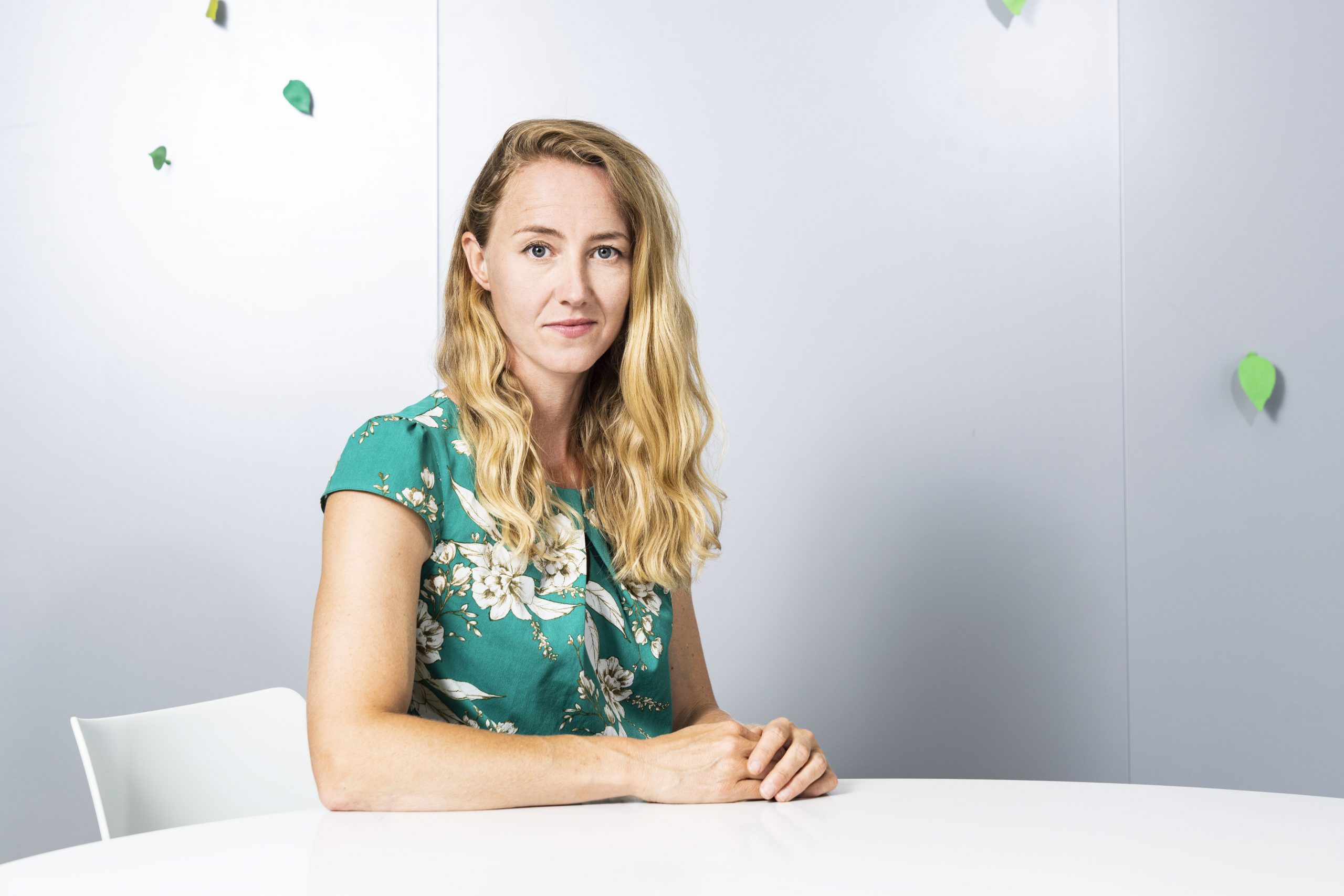
Kevin ten Haaf

2026-06-09T09:59:32+02:00

Kevin ten Haaf, econometrician at Erasmus MC in Rotterdam, is the recipient of the Heineken Young Scientists Award in the Medical/Biomedical Sciences. The jury praises his research on the early detection of lung cancer. Using various mathematical models, he develops personalised screening programmes that help countries identify high-risk groups and effectively detect the disease in its early stages. It is a method that can offer many health benefits.

Charlene de Carvalho-Heineken established the Heineken Young Scientists Awards in 2010 to honour young scientific talent for their outstanding achievements. Since then, the prize has been awarded every two years to four highly promising young researchers affiliated with a Dutch university or research institute and who are working in one of the following domains: Medical/Biomedical Sciences, Humanities, Natural Sciences, and Social Sciences. Each laureate receives an unrestricted cash prize of €15,000 as a reward.

About the research
Many lung cancer patients are not diagnosed before their cancer has metastasised, causing their chances of healing to be slim. However, if a tumour is identified before it metastasizes, it is still treatable. Early detection of lung cancer can, therefore, bring many health benefits. In Europe, there has long been a desire to initiate lung cancer screening. Early detection of cancer can offer many health benefits. However, it is not feasible to screen everyone continuously. Kevin ten Haaf therefore decided to develop customised screening programmes based on a country’s population.

Ten Haaf’s research is based on a comprehensive use of mathematical models. These models enable him to predict individuals at high risk of developing lung cancer, considering factors such as smoking behaviour and age. He also factors in the rate at which tumours that are not yet symptomatic develop, and the effectiveness of detection at various stages. By weighing the advantages, disadvantages, and costs of these predictions, he can identify the most optimal screening programme for a country.

Ten Haaf’s research has directly contributed to the implementation of population screening in several countries, including Australia and Canada (Ontario). He is currently studying the most effective method for early lung cancer detection in several European countries, including the Netherlands. Whether it will be implemented in the Netherlands remains to be seen. Former health minister Ernst Kuipers has requested a recommendation from the Health Council, which is expected to present their advice later this year.

Jury praises impact of statistics on healthcare
The jury was impressed by Ten Haaf’s innovative methodologies and his ability to translate complex analyses into actionable insights for policymakers and clinicians. His work not only influences international screening guidelines, but also directly affects patients. This makes the social impact of his research significant. As an internationally recognised expert in lung cancer screening, Ten Haaf regularly lectures at conferences and advises on the implementation of screening programmes worldwide. 

About Kevin ten Haaf
Kevin ten Haaf (1988) studied econometrics and management sciences at Erasmus University in Rotterdam. At Erasmus MC Rotterdam, he received his PhD (cum laude) on the optimisation of lung cancer screening in 2017. After this, he held several research positions at Erasmus MC and was a visiting scientist at the National University of Singapore. He has been an Assistant Professor in Public Health at the department of Public Health at Erasmus MC in Rotterdam since 2021.

Video

Kevin ten Haaf, econometrician

These are the laureates of the Heineken Young Scientists Awards 2022

2022-12-15T16:18:50+01:00

Photography: Bram Belloni

Does the timing of medication administration affect its effectiveness? How do you demonstrate the entanglement of large quantities of quantum particles? What effect does the growing power of algorithms have on human autonomy? How can you optimise doctor-patient communication? The winners of the Heineken Young Scientists Awards 2022 ponder these tantalising questions on a daily basis. These prizes are awarded every two years to four talented young Dutch scientists. Through their work, they make an important contribution to our collective knowledge and set an example for other young scientists. Meet the 2022 laureates.

Lees dit interview in het Nederlands (NewScientist)

‘The effect of medication depends
on when you administer it’

Laura Kervezee (1989)

Leiden University Medical Centre
Heineken Young Scientists Award in Medical/Biomedical Sciences

Our internal clock ensures that all kinds of bodily processes take place at the right time. Not just our sleep, but also processes regarding our digestion, hormones, metabolism, and the immune system. Laura Kervezee, a chronobiologist at Leiden University Medical Centre, studies how this biological clock affects our health. Early in her studies, Kervezee was fascinated by this subject. She wondered why she always woke up before eight, no matter how late she went to sleep, while her fellow students could sleep in until noon. She delved into this question for a study assignment. ‘Since then, the flame has never gone out,’ says Kervezee.

One of the questions she has since examined is what the effects are of a disrupted biological clock. ‘For this, we studied night shift workers,’ she says. ‘We found we were able to measure at the molecular level in the blood how disrupted the biological clock is, and whether it adapts well to night shifts or not. We can see this, for example, in hormones such as melatonin and cortisol, but also in RNA in blood cells. From that, we can deduce when genes involved in the biological clock are read out to produce proteins.’

She is currently researching how to make the biological clock of patients in intensive care stronger, and, in doing so, make the patients healthier. You can affect the biological clock with light, but also, for example, with a certain diet. ‘Patients in intensive care usually receive continuous tube feeding,’ says Kervezee. ‘This happens twenty-four hours a day. We, as well as doctors and nurses, wonder whether that is the best diet. After all, no one normally eats while sleeping. So, we are studying how such a diet affects the biological clock, sleep, and health of patients. We are comparing patients who are fed continuously with patients that we only feed during the day. Overall, they receive the same amount of nutrition.’

There is also a great deal of progress to be made in drug administration, according to Kervezee. She focused on this during her PhD research. ‘We already know that the effects of medication depend on the time of day. If we find out exactly how the timing of administration influences the effect of medication, there could be great gains. This also varies greatly from person to person. It would be very nice if we could predict what the optimal moments are, so we can take that into account.’

‘When you are seriously ill,
communication matters a lot’

Liesbeth van Vliet (1985)

Leiden University
Heineken Young Scientists Award in Social Sciences

When someone has a serious illness such as metastasised cancer, it is not only important for the doctor to be medically competent. How a doctor communicates with this patient is also crucial. Liesbeth van Vliet, a health psychologist at Leiden University, studies how doctors can design their communication so that patients experience less stress and remember information better. She also discovers what, in particular, doctors should not say. ‘Patients indicated, for example, that they don’t want a doctor to say they look good,’ Van Vliet says. ‘This makes it harder to say they feel really lousy. They also found it annoying when a doctor said: “I’ll call you tomorrow”. This can lead to them sitting by the phone all day. If possible, it may help to mention a time period in which you will call.’

By studying videos of consultations and combining them with questionnaires, Van Vliet discovered that patients do not remember all the information from conversations. For example, women with incurable breast cancer remembered only 40 percent of information about side effects after conversations discussing results. Through such studies, we know that it is important to repeat information in multiple conversations, and to ask someone at the end of a conversation: “What are you taking home from this conversation?”

Empathy also plays a role here. People were found to remember eight percent more information when a doctor is empathetic. Patients also feel better after an empathetic conversation. Van Vliet saw this in recordings of conversations between patients and doctors, as well as in an experiment where she showed videos with and without empathic elements to subjects.’

At the same time, empathy is a fairly abstract concept. ‘That is why we are trying to make concrete which behaviours can help build a connection with a patient,’ says Van Vliet. ‘A patient recounted that her doctor once stopped in the middle of a sentence and said to her husband: “Do you have a new tattoo?” This is something very small, but the patient felt seen. It often turns out that small things can make a big difference, which is good news because it means empathy does not always take a lot of time. When you are seriously ill, empathic behaviours matters a lot. You need someone who not only sees your tumour, but who sees and supports you as a person.

‘Entanglement is a necessary ingredient
of a quantum computer’

Jordi Tura i Brugués (1987)

Leiden University
Heineken Young Scientists Award in Natural Sciences

Quantum computers compute in a completely different way from ordinary computers. This makes the potential enormous, but they must be managed in a completely different way. Mathematician Jordi Tura i Brugués, at Leiden University, is developing algorithms to perform computations on quantum computers. Applications of his quantum algorithms include complex optimisation problems, machine learning, and the unravelling and prediction of the precise development of chemical reactions.

‘Chemical reactions are themselves governed by the laws of quantum dynamics,’ says Tura i Brugués. ‘Many details of these reactions we do not yet understand, because they are incredibly complex systems with large numbers of electrons all interacting with each other. For an ordinary computer, simulating these systems takes far too much computing power. But because a quantum computer operates according to the same laws of quantum dynamics, it is ideally suited to map such complex chemical reactions.’

One of the quantum properties that make a quantum computer so incredibly powerful is entanglement. This means that if you do something to one particle, it immediately affects the particles entangled with it, no matter how far apart they are. ‘Entanglement is a necessary ingredient to unlock the full potential of a quantum computer,’ says Tura i Brugués. He has taken important steps to measure the entanglement of large numbers of particles in the lab. This makes it possible to determine the computing power of quantum computers currently under development.

‘Mathematically, this is a very complex problem,’ says Tura i Brugués. ‘That’s because with each additional particle you add, the complexity of the equations you have to solve at least doubles.’ By applying clever approaches, he simplified the problem. For example, he adapted Bell’s theorem, which is used to show entanglement of two particles, to fit large numbers of particles. Thanks to his theoretical work, it has become possible for the first time to demonstrate the entanglement of half a million rubidium atoms.

In addition, Tura i Brugués is developing methods to verify that a quantum computer is actually a quantum computer, and not a traditional computer that mimics the properties of a quantum computer. ‘I develop interactive protocols, letting the computer solve different problems. It is quite difficult to find the right kind of problems for this. They must be difficult enough that a traditional computer cannot solve them, but easy enough that a rudimentary quantum computer can.’

Fleur Jongepier (1986)

Heineken Young Scientists Award in Humanities

Both government agencies and commercial companies are increasingly relying on algorithms. The tax authorities and the police use algorithms to determine who they double check. Netflix and Spotify increasingly know what you want to watch or listen to, and polling guides predict how you will vote. Philosopher Fleur Jongepier received the Heineken Young Scientists Award for her research on how the growing power of algorithms affects our autonomy and self-knowledge. In this study, which she conducted at Radboud University Nijmegen, she studied whether it is bad that we increasingly listen to algorithms more than to ourselves, and if so, why. She also identified in which cases it might actually be better to listen to algorithms.

The growing influence of algorithms sets in motion changes that are not always readily apparent. This is precisely why Jongepier believes it is important to examine the consequences thoroughly and why she actively participates in the public debate. Not just on issues relating to digitalisation. She also brings to the surface problems that society would otherwise ignore. She publishes articles for NRC and Trouw, among others, and currently writes columns for the Volkskrant. She also co-founded the philosophy blog Bij nader inzien [On reflection] and is a regular guest on talk shows to interpret social issues from a philosophical perspective. Fleur Jongepier recently decided to leave science and continue her public philosophy work. She is currently writing the book Bergfilosofie [Mountain Philosophy], in which she aims to show how the mountains can help us think more clearly about themes such as physicality, identity, climate, work, and digital tranquillity.

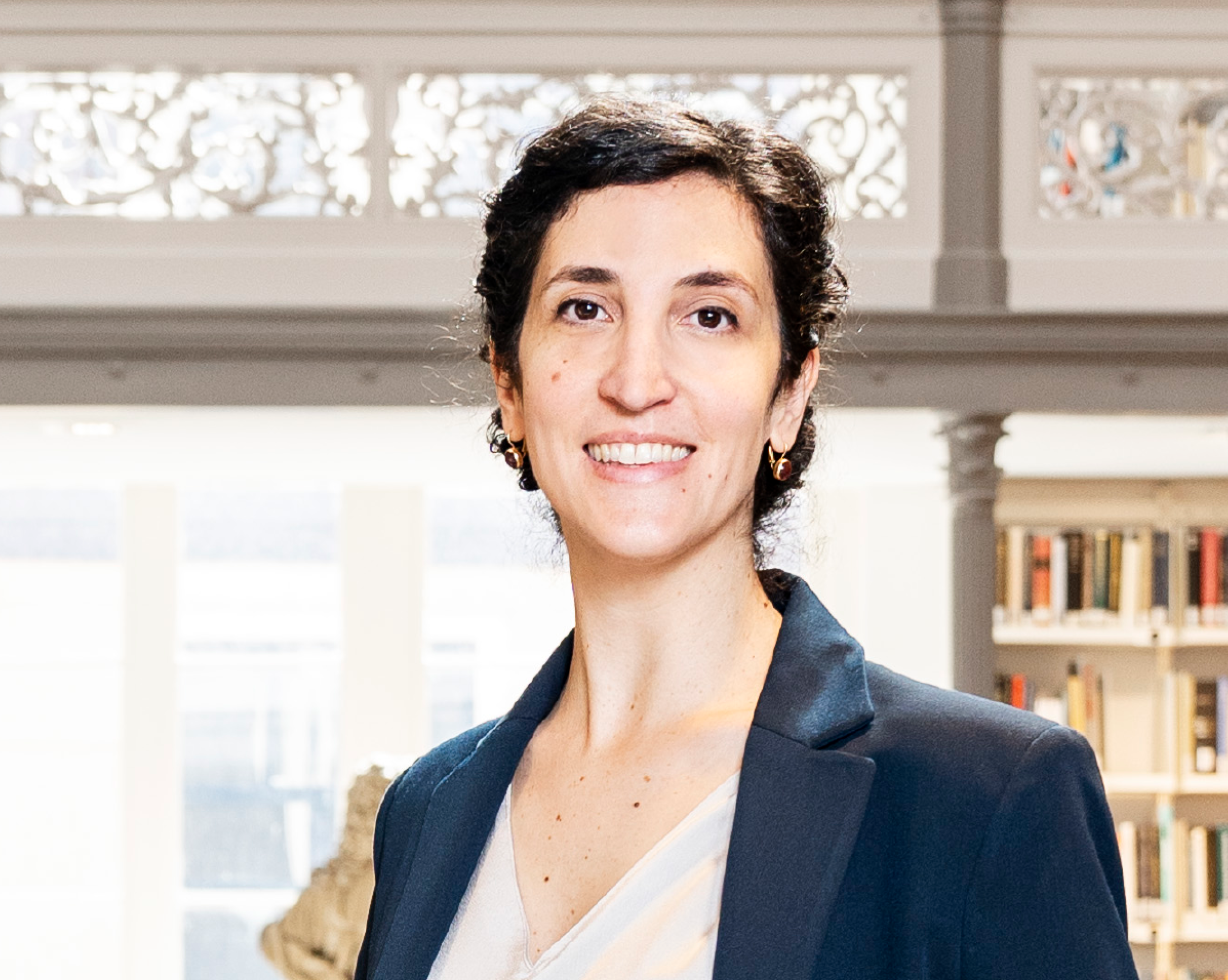
Lorena De Vita

2026-06-09T09:59:46+02:00

Lorena De Vita (1987), an Assistant Professor in the history of international relations at Utrecht University, is the recipient of the Heineken Young Scientists Award in the Humanities. The jury praises her unique approach within the field of international relations, focusing not on the history of conflict but on the subsequent reconciliation. In doing so, she contributes to the contemporary understanding of the context and conditions surrounding reconciliation and repair.

Charlene de Carvalho-Heineken established the Heineken Young Scientists Awards in 2010 to honour young scientific talent for their outstanding achievements. Since then, the prize has been awarded every two years to four highly promising young researchers affiliated with a Dutch university or research institute and who are working in one of the following domains: Medical/Biomedical Sciences, Humanities, Natural Sciences, and Social Sciences. Each laureate receives an unrestricted cash prize of €15,000 as a reward.

About the research
Lorena De Vita studies the international history of reconciliation and repair. Historical research into international relations often focuses on wars and conflicts, but De Vita focuses instead on what happens afterwards: the reconciliation between peoples and countries after massive human rights violations. In doing so, she tries to discover the conditions for reconciliation, why it has succeeded in some cases and not in others, and who the protagonists are. Her research includes not only prominent figures such as prime ministers and foreign ministers, but also scientists, diplomatic staff, lawyers, and journalists.

Among other topics, De Vita has examined how Germany and Israel reconciled after the Holocaust. In her book Israelpolitik – German-Israeli Relations, 1949-1969, she concludes that the reconciliation succeeded partly because of concrete interests on both sides. She is currently researching how repair is possible after massive human rights violations, such as those during the Holocaust. For this, she is studying, among other things, the diaries of German lawyer Otto Küster, who was part of the negotiations about reparation measurements for Holocaust survivors.

There is an ongoing societal debate about how to ‘repair’ various historical events such as slavery, colonialism, and genocide. Through her research, De Vita hopes to offer insight into what this form of repair entails in an international context and what is needed to achieve it.

Jury praises unique approach and social relevance
The jury honours De Vita’s distinctive approach to international relations through the lens of reconciliation. Her in-depth archival work and use of primary sources are greatly appreciated by the jury. While the word ‘reparations’ regularly features in the news when it comes to colonial history, slavery, and racism, it is far from clear what this might mean in the international context. The jury commends De Vita’s research for clarifying this by describing histories of reparations and reconciliation between countries and peoples. The jury appreciates the social relevance of her work and its active role in public debate. Through her research, De Vita contributes in her own way to understanding a current issue and demonstrates the relevance of the humanities to societal challenges

About Lorena De Vita
Lorena De Vita (1987) studied political science and international relations at Roma Tre University and the London School of Economics and Political Science. In 2016, she received her PhD in international history from Aberystwyth University in Wales and has been an Assistant Professor in the history of international relations at Utrecht University since 2017. During her career, she has received several fellowships. She was, for instance, Joseph Wulf Fellow at the Memorial House of the Wannsee Conference in Berlin in 2015, Visiting Research Fellow at the Hebrew University of Jerusalem in 2019, and Visiting Scholar at the University of Oxford in 2023.

Video

Lorena De Vita, Assistant Professor

Interview with Carolyn Bertozzi

2022-11-16T14:48:47+01:00

‘Cancer cells trick immune cells via sugars on their surface’

Cells communicate with each other through molecules on their surface. Biochemist Carolyn Bertozzi studies exactly how they do this and how to influence this communication. In doing so, she is laying the groundwork for revolutionary cancer treatments and rapid tests for tuberculosis, among other things. She recently received the Dr H.P. Heineken Prize for Biochemistry and Biophysics for her research. In early October, it was announced that she will also receive the Nobel Prize in Chemistry.

Lees dit interview in het Nederlands (NewScientist)

At Stanford University’s beautiful campus, full of palm trees, conifers, and countless meticulously maintained lawns, Carolyn Bertozzi is working on something that she herself regularly compares to a varied landscape: the cell surface. This surface is covered with a wide variety of molecules. Some short like freshly cut grass, some long and slow-moving, like trees in the wind. Through these molecules, cells communicate with each other. ‘When cells become part of tissue, for example, they have to organise themselves,’ says Bertozzi. ‘Muscle cells end up in your muscles, neurons in your nervous system, blood cells in your blood. Thanks to the molecules on the cell surface, these cells are in the right place at the right time.’ Sugar molecules play an important role in this. Because there is a huge diversity in the structure of sugar molecules, the pattern of sugars on the cell surface can pass on complex information.

These sugars are also essential for your immune system. ‘Your immune system needs to be able to distinguish which cells belong in your body and which don’t,’ says Bertozzi. ‘The good guys are healthy cells, which your body needs to function. But there are also bad guys – disease-causing bacteria, cancer cells, or cells infected by a virus. By tasting the sugar molecules on the cell surface, so to speak, immune cells can recognise the bad guys, and then make short work of them. They leave the good guys alone.’

But as we see in films and comic books, bad guys always find ways to avoid getting caught. For example, Bertozzi discovered that cancer cells sometimes mask the suspicious sugars on their cell surface by making large amounts of unsuspicious sugar sialic acid appear on their surface. ‘It has been known since the 1960s that the sugar molecules on cancer cells are often very different from those on healthy cells,’ Bertozzi explains. ‘One of those differences is that there is more sialic acid on the cell surface. But no one understood why. A group of receptors – proteins in the cell membrane that can trigger a reaction when a specific molecule binds to them – known as the siglec family was discovered in the late 1980s. These receptors are on immune cells and were found to suppress the activity of those immune cells when they detect sialic acid on other cells. This way, your immune cells make sure they don’t accidentally attack your own cells, which would lead to autoimmune disease. In the early 2000s, we put these two together in my lab: if cancer cells have lots of sialic acid and sialic acid can suppress immune cells, maybe the cancer cell uses that sialic acid to protect itself from our own immune system.’ This turned out to be correct, and Bertozzi has since used this insight to develop a new form of immunotherapy, which is currently being tested in cancer patients. ‘In this treatment, an enzyme mows the sialic acid off the cancer cells like a lawnmower,’ says Bertozzi. ‘The cancer cell can then no longer bind to the siglec receptors on immune cells to suppress the immune system.’

The lawnmower is not the only gardening metaphor Bertozzi enjoys using when she talks about her technologies. ‘We are also currently developing another method of immunotherapy, which works more like a chainsaw: it cuts down the longer molecules. But we don’t just cut molecules from the cell, we can also plant new ones. For example, we created polymers with sialic acid attached. We plant this combination on cells, and thanks to the sialic acid, immune cells leave these cells alone. You can use this in a transplant, for example. In that case you want to make sure that the organ you implant is not attacked by the recipient’s immune system.’

Giving up control
In addition to her work on the cell surface and immunity, Bertozzi was a pioneer in so-called bioorthogonal chemistry, which involves performing chemical reactions in a biological environment, such as a cell or an animal, without affecting that environment. For her work in this field she receives the 2022 Nobel Prize in Chemistry. ‘When we started this in the late 1990s, people said: “What are these people doing?” Chemists were used to being able to control all components of a chemical reaction – the solvent, temperature, pH, etc. But if you want a reaction to take place in a living cell or in a human cancer patient, you have to give up all that control. You can’t heat the cells to 110 degrees Celsius or add a strong acid – you will kill the patient.’

Bertozzi set out to find reactions that could take place under the conditions in human cells without disrupting the regular processes in the cell. ‘We found some reactions that were close, but not perfect,’ says Bertozzi. ‘Then we perfected them until they were completely bioorthogonal and you could perform them in cells and humans. That is how that field of research was born.’ Since then, many more people have entered the field and built on the bioorthogonal reactions developed by Bertozzi and colleagues. Currently, several biotech companies are using these reactions in human patients, for drug delivery and cancer treatment, among other things.

For example, the Shasqi company, for which Bertozzi is a strategic advisor, has developed a cancer treatment that can deliver chemotherapy drugs very precisely into the tumour. This treatment consists of two steps. First, they inject a polymer in the tumour environment. To this polymer, they have added a component that forms one half of a bioorthogonal reaction pair. They then administer a chemotherapy drug. Again, they have added an extra component: the other half of the reaction pair. This component ensures that the drug is not toxic (yet). It spreads throughout the body but does no harm. Once near the tumour, the two halves of the reaction pair click together, so to speak. They engage in a reaction that unblocks the drug. This releases the drug locally in a very high concentration. The drug kills the tumour without exposing the rest of the body to the aggressive drug. This allows you to administer higher concentrations, while the patient experiences far fewer side effects.

Trojan molecule
The original inspiration to start bioorthogonal chemistry came from Bertozzi’s research on sugars on the cell surface. ‘We wanted to image these sugars, in living cells or even in animals,’ says Bertozzi. ‘The sugars on the cell surface are long sugar chains made up of simple building blocks. And these building blocks come from the food you eat.’ So, Bertozzi took one such sugar building block, and tied an extra component to it, which again was half of two molecular clasps that could snap together. She then fed that sugar building block to cells or animals, which incorporated it into the sugar chains on the cell surface. The extra component hitched a ride without the cell noticing. Now all she had to do was add the other half of the molecular clasp, with a fluorescent molecule attached, and the sugar molecules lit up like a lighthouse in the night. ‘This was the first technology to image living cells and the sugars on their surface,’ says Bertozzi.

Recently, this led to an entirely new application: a rapid test for tuberculosis. Tuberculosis (TB) is caused by a bacterium. And like human cells, bacteria have sugars all over their surface. Bertozzi’s team cleverly exploited the fact that the sugar trehalose is common on the surface of tuberculosis bacteria, but absent on human cells. ‘We discovered that we could feed tuberculosis bacteria chemically modified trehalose and they put this all over their surface.’ As in the earlier experiment, they added a clasp to the sugar to which they could later click fluorescent molecules. ‘These fluorescent molecules have a special property,’ says Bertozzi. ‘They are not fluorescent in water, but when they reach the cell membrane, the fluorescence switches on. So, you can see the tuberculosis bacteria light up under the microscope.’ This enables rapid TB diagnoses, by examining patients’ blood or coughed-up mucus. It also allows you to monitor whether TB medication is taking effect. ‘You want to know this as soon as possible because there are drug-resistant forms of tuberculosis,’ says Bertozzi. ‘In addition, another research group has shown that you can also use this technique to detect tuberculosis cells in air filtration systems. TB is spread through the air. We may soon be able to detect TB outbreaks at an early stage, through the air filtration system in schools, hospitals or railway stations, and isolate people as soon as possible. Wouldn’t that be great?’

CV
Carolyn Bertozzi (Boston, 1966) studied chemistry at Harvard University in the United States. She received her Ph.D., also in chemistry, from Berkeley University in California in 1993. In 1996, she was appointed professor of chemistry and molecular cell biology there. In 2015, she moved from Berkeley University to Stanford University and became professor of chemistry and of chemical systems biology. Her scientific work forms the basis of more than fifty patents, and she is co-founder of several biotech companies, where her research results find their way into medical applications. Bertozzi received the Wolf Prize, the Solvay Prize, and the Nobel Prize in Chemistry, among others.

Research
Carolyn Bertozzi is developing chemical methods to study and influence the cell surface. Our cells communicate with each other through molecules on the cell surface. Immune cells, for example, can tell from these molecules whether a cell belongs in the body or not. Bertozzi discovered that cancer cells fool immune cells by presenting large amounts of a specific sugar molecule on the cell surface. She developed technologies to ‘mow down’ these sugar cells, which allow immune cells to recognise the cancer cells as dangerous and attack them. In addition, she developed many other technologies to influence proteins inside the cell and on the cell surface. In doing so, she was at the forefront of so-called bioorthogonal chemistry.

Heineken Prizes
Every two years, Heineken Prizes are awarded to five renowned international scientists and one artist. In 1964, Alfred Heineken established the Dr H.P. Heineken Prize for Biochemistry and Biophysics as a tribute to his father. Later, Heineken Prizes for the Arts, Medicine, Environmental Sciences, Historical Sciences, and Cognitive Sciences followed.

Video

Carolyn Bertozzi — Chemist

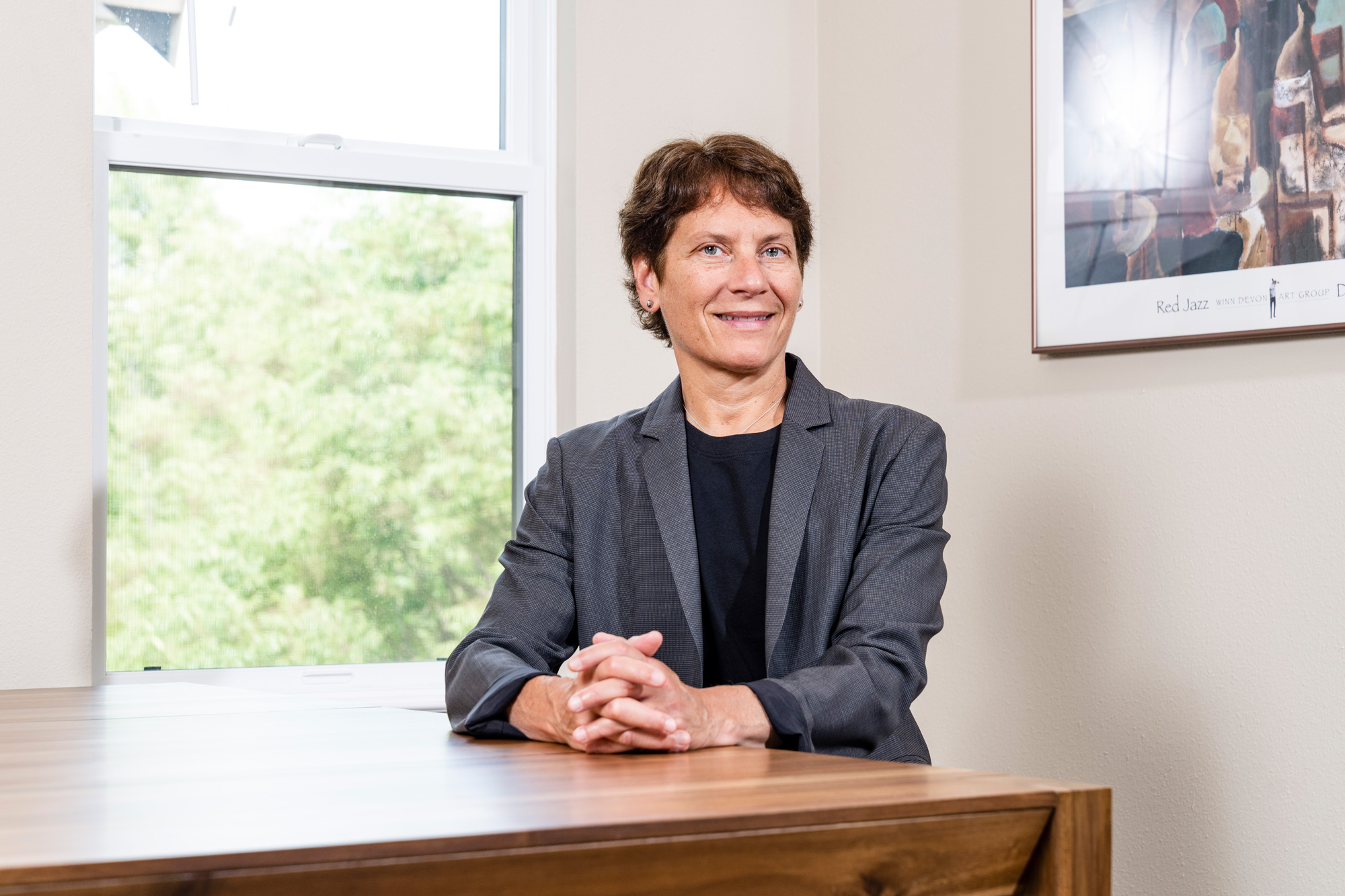
Casper van der Kooi

2026-06-09T10:00:02+02:00

Casper van der Kooi (1990), an evolutionary biophysicist at the University of Groningen, is the recipient of the Heineken Young Scientists Award in the Natural Sciences. The jury commends his work for its scientific excellence and significant social value. Van der Kooi studies how flowers and animals, such as butterflies, get their colours and how these colours are used to attract pollinators or mates. Thanks to his work, we now better understand communication between animals, as well as between plants and animals. 

Charlene de Carvalho-Heineken established the Heineken Young Scientists Awards in 2010 to honour young scientific talent for their outstanding achievements. Since then, the prize has been awarded every two years to four highly promising young researchers affiliated with a Dutch university or research institute and who are working in one of the following domains: Medical/Biomedical Sciences, Humanities, Natural Sciences, and Social Sciences. Each laureate receives an unrestricted cash prize of €15,000 as a reward.

Plant research
Why is a daisy white and a dandelion yellow? Across the world, millions of flowers in all kinds of colours. But why do flowers have these colours, and where do they come from? This is what Casper van der Kooi studies. Plants use flowers to catch the eye of pollinators such as bees and birds, with colours playing an essential role. Van der Kooi’s research has revealed that a flower’s colour is determined not only by its pigments, but also by its internal structure. Flowers consist of several layers of cells which reflect light in different ways. The properties of these cell layers, together with the pigments, determine the flower’s appearance.

Van der Kooi also investigates how the appearance of plants evolves to make them maximally visible to their pollinators. Flowers seem to appear their colour and brightness. Accordingly, this is because not all pollinators perceive the same colours, or they see some colours more vividly than others. For instance, many insects are unable to see red. Nature, in its wisdom, has ensured that flowers that rely on insects for pollination are never red. 

Van der Kooi enjoys doing field research but is just as happy looking through the microscope at cell structures in his greenhouse in Groningen. Here, he grows plants from around the world, studying how pollinators perceive flowers and using this knowledge to discover how different flower colours are created.

Butterfly research
Lately, Van der Kooi has also been focusing on butterflies. He studies how the colours of their wings form and evolve to best attract a mate. According to Van der Kooi, what makes butterflies unique is their brilliant colours and how dynamic they are. They fly around each other, continuously reflecting light in a different way. With his team, he is investigating how butterflies’ colours combined with their behaviour determines their attractiveness to potential partners. 

Jury praises multidisciplinary research
The jury has called Van der Kooi’s research multidisciplinary approach. To enable this type of research, Van der Kooi earned two PhDs: one in computational physics and another in evolutionary biology. By combining these areas of expertise, he crosses scientific boundaries. The jury believes this makes his work unique and of high quality. He also fulfils a social role by discussing biodiversity issues as a frequent guest on radio, TV, and in newspapers. With this, he hopes to bring the abstract concept of biodiversity to life, raising awareness of its importance among a broad audience. To appeal to a younger audience, he is also working on a children’s book about plant evolution.

About Casper van der Kooi
Casper van der Kooi (1990) studied evolutionary biology at the University of Groningen. He completed his PhD in computational physics in 2015 and in evolutionary biology in 2018. Following a postdoctoral position at the University of Groningen and a Humboldt Fellowship at the University of Würzburg in Germany, he rejoined the University of Groningen as a university lecturer in evolutionary biophysics in 2023. 

Video

Casper van der Kooi, evolutionary biophysicist

Interview with Sunil Amrith

2022-10-18T11:14:54+02:00

‘Pollution was seen as an inevitable consequence of development’

Today, we are facing major challenges in the areas of climate change, inequality, and health. Historian Sunil Amrith is convinced that by charting the historical development of these problems, we can tackle them more effectively. For his research on environmental, health, and migration history in South and Southeast Asia, he received the Dr A.H. Heineken Prize for History.

Lees dit interview in het Nederlands (NewScientist)

Air pollution is one of the most common causes of death in India today. As early as the 1940s, doctors warned of the harmful health effects of air pollution, but it has not been possible to solve this problem to date. The same is true of climate change as a result of greenhouse gas emissions. Sunil Amrith, professor of history at Yale University in the United States, is trying to understand how such problems can continue to grow for years when the knowledge is there. ‘Hopefully, this understanding will help us determine how to get out of this mess,’ says Amrith.

Amrith focuses specifically on the history of South and Southeast Asia – roughly the area between Pakistan and Indonesia. In addition to environmental and health history, he also charts the large-scale migration that has taken place in this region. A common thread in his work is inequality between and within countries, which often has its origins in colonial history. This inequality in wealth, power, and political voice continues to be felt today, causing people to face today’s challenges, such as climate change, from very unequal starting positions.

Whereas historians have been recording the history of politics, social systems, and culture for centuries, environmental history only gained a firm foothold in the 1980s. ‘Environmental history helps us better understand economic change and social history,’ says Amrith. ‘People have never been detached from nature, although that has often been the ambition of engineers and governments.’ One of the environmental aspects Amrith has studied is water. ‘In the Netherlands, you know only too well how great an effect water and water management can have on history,’ he laughs. ‘The same applies to South and Southeast Asia. Take the monsoon, for example, a highly seasonal pattern of rainfall that is very unevenly distributed over the area. It has caused great regional disparities in food security and has had far-reaching consequences for the way in which agriculture and the economy are organised.’

Rivers, too, have strongly influenced the history of South and Southeast Asia. ‘About three billion people depend on the rivers that rise in the Himalayas for irrigation, drinking water, and fishing, among other things,’ says Amrith. ‘These rivers have faced various crises, such as climate change and pollution. But damming has also caused great tensions between countries. The tendency is to build bigger and bigger dams, at ever shorter distances from each other, and higher up into the mountains.’ This increases the number of dam breaches, with all that that entails – not only for the inhabitants near the dam, but also in the countries further downstream.

‘The question is always who pays – directly and indirectly – for these projects,’ says Amrith. ‘It is not evenly distributed. In India, for example, some 40 million people have had to relocate since the 1940s due to damming and other major infrastructure projects. This is not a random forty million, but mostly tribal people. They do not have the same political voice and the same power to negotiate for compensation, let alone to prevent these projects from taking place. This is a pattern that is still relevant today. The people who consume very little, and thus have contributed very little to the global climate crisis, are often the first to suffer the consequences. Over the last twenty years, extreme weather conditions have become more frequent worldwide. Communities in South and Southeast Asia that live in informal settlements are the first to suffer, as these are often low-lying settlements with little protection from storms and flooding.’

Cumulation
Yet the relationship between devastating environmental conditions and migration is less straightforward than you might initially think, Amrith discovered. ‘About half a century ago, the idea prevailed that environmental factors determine everything, especially in poorer countries in Asia. The thinking was: if Asian workers migrate, it is because of floods or droughts. But since the 1980s, we have realised that it is much more complex: family networks, economic opportunities, and people’s dreams also play a major role. But now we have gone a bit too far – at the end of the twentieth century, migration studies no longer had any connection with the environment. This was because historians were anxious to keep away from the image of Asian migrants as an unwilling plaything of circumstances. So, when we talk about climate migration in the future, we can learn a lesson from this: there are always multiple and complex reasons for migration. Even in the case of climate change, not everyone can migrate just anywhere. Where people can go is limited by the politics, borders, and policies of neighbouring countries. There is definitely a relationship between climate change and migration. But it is always cumulative. It is not as if climate change comes out of nowhere and suddenly makes an area uninhabitable. Mostly it is about how climate change brings existing inequalities and other challenges to a head.’

Amrith studied the history of migration in South and Southeast Asia and wrote the book Crossing the Bay of Bengal, which appeared in 2015. ‘The Bay of Bengal, the north-eastern part of the Indian Ocean, was one of the most interconnected and mobile regions in the world in the 19th and 20th centuries,’ he says. ‘Historians often focus on large-scale migration across the Atlantic. But at least as many people crossed the Bay of Bengal at the end of the nineteenth century.’ Amrith showed that this migration ensured a constant circulation of cultural, religious, and political ideas. But in addition to the story of solidarity, the book also tells the story of growing division. At that time, Southeast Asia was largely in the hands of the British Empire. As more and more countries gained independence, nationalists wanted to stop large-scale migration, believing that the free movement of people was not in the interest of the newly formed countries. ‘That is also a message of the book,’ says Amrith. ‘How quickly a region held together by the movement of people can freeze and fall apart.’

Health crisis
Currently, Amrith is working on the relationship between air pollution and health in India. ‘Cities in India are among the most polluted in the world. Yet this has only recently been treated as a public health crisis. Previously, it was seen as an inevitable consequence of industrialisation and development.’ Doctors in India warned of the harmful health effects of air pollution and supported this with studies. An important question is how this nevertheless could have become such a major problem. ‘This has to do with a universal problem,’ says Amrith. ‘Since the middle of the twentieth century, the world has stuck to a specific path of development. The goal was: increase the middle class, they buy cars, and use them instead of public transport. It was supposed to provide more freedom and comfort. Cars, along with industrial pollution, are a major reason why the air pollution problem has grown so rapidly. For a long time, the idea prevailed that pollution was the inevitable consequence of welfare development. The same happened in industrialising European and North American cities in the late nineteenth and early twentieth centuries. In London, for example, there was a major smog problem. It was only after the smog crisis in the 1950s that the UK began to regulate air quality. The American Clean Air Act only really came into being in 1970. India too has had good air pollution laws since the 1970s, but enforcement is a major problem. It is outsourced to local governments that do not have the authority to do much. Yet it is not an entirely negative story. In the early 2010s, around two hundred million people in India had no access to electricity. They only had access to cheaper, more polluting sources of energy. For example, they cooked using biomass. Now, the availability of electricity in India has grown significantly, although much of it is still generated by coal. But more and more comes from solar panels. So, things are definitely moving in the right direction.’

CV
Sunil Amrith (Kenya, 1979) grew up in Singapore and then moved to the United Kingdom to study history at Cambridge University. He received his PhD in history from the same university in 2005. After working briefly as a researcher at Trinity College, Cambridge, he was appointed lecturer at Birkbeck College, part of the University of London. In 2015, he was appointed Mehra Family Professor of South Asian History at Harvard University. Since 2020, he has been Renu and Anand Dhawan Professor of History at Yale University. Among other things, he has received a MacArthur Fellowship.

Research
Sunil Amrith studies the history of South and Southeast Asia. He is interested in the close ties between the two regions, focusing mainly on the nineteenth and twentieth centuries. Among other things, he has mapped out the large-scale migration between these areas. He also focuses on the history of the environment. He recently wrote the book Unruly Waters, in which he explains why water has played such an important role in the history of South and Southeast Asia. In his work, he tries to find the historical origins of the great inequality that exists today between and within countries.

Heineken Prizes
Every two years, Heineken Prizes are awarded to five renowned international scientists and one artist. In 1964, Alfred Heineken established the Dr H.P. Heineken Prize for Biochemistry and Biophysics as a tribute to his father. Later, Heineken Prizes for the Arts, Medicine, Environmental Sciences, Historical Sciences, and Cognitive Sciences followed.

Video

Sunil Amrith — Historian

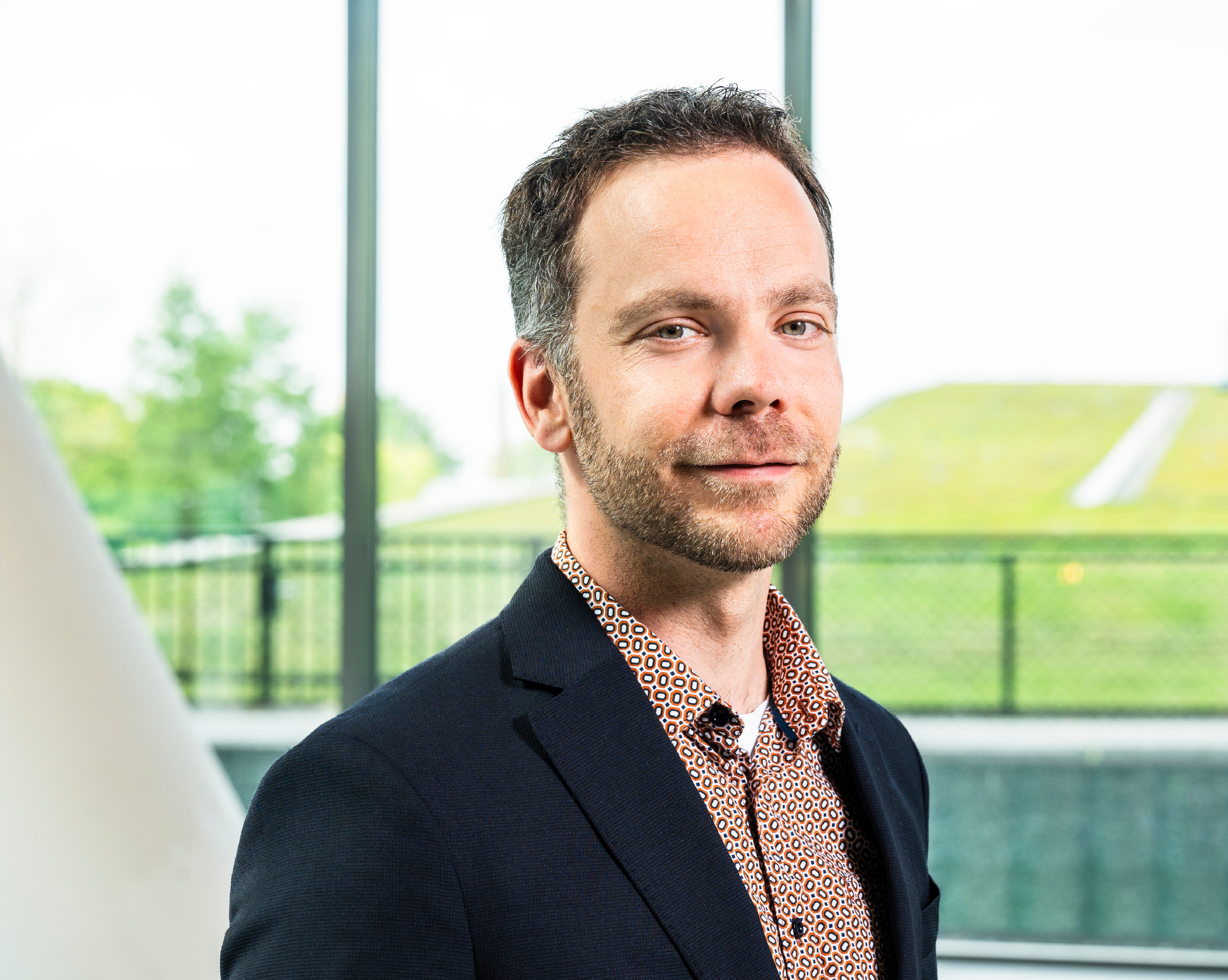
Manon van Scheppingen

2026-06-09T10:00:14+02:00

Manon van Scheppingen (1988), a university lecturer in developmental psychology at Tilburg University, is the recipient of the Heineken Young Scientists Award in the Social Sciences. The jury praises the quality and impact of her research into the influence of major life events, such as having a child and getting married, on personality change in young adults. Today, thanks to Van Scheppingen’s research, we better understand the origins of differences in personality.

Charlene de Carvalho-Heineken established the Heineken Young Scientists Awards in 2010 to honour young scientific talent for their outstanding achievements. Since then, the prize has been awarded every two years to four highly promising young researchers affiliated with a Dutch university or research institute and who are working in one of the following domains: Medical/Biomedical Sciences, Humanities, Natural Sciences, and Social Sciences. Each laureate receives an unrestricted cash prize of €15,000 as a reward.

About the study
Manon van Scheppingen studies personalities, focussing on how people think, feel, and behave. Specifically, she investigates how personality develops during adulthood and the influence of significant life events, such as having a child, getting your first job, or moving in together.

For example, Van Scheppingen explored whether the transition to parenthood leads to a more mature personality, including more self-control and emotional stability. This proved not to be the case: on average, parents were found to develop no differently from their peers without children. Nevertheless, the study did show that parenthood can indeed bring about change. For instance, she observed that some new parents, particularly mothers, temporarily experience lower self-confidence. She plans to further investigate the causes of this phenomenon in the coming period.

Another of Van Scheppingen’s discoveries is about romantic partners. Despite the common saying that opposites attract in romantic relationships, people still usually select a partner with similar personality traits. In the future, Van Scheppingen hopes to use her work to give more people insight into their own personalities, enabling them to apply this self-knowledge when making important life choices.

Jury honours social impact and multidisciplinarity
The jury praises Van Scheppingen for her multidisciplinary expertise. She knows how to make an impact with her research by combining insights from developmental psychology, demography, and sociology. She effectively reaches a non-scientific audience, sharing her knowledge through media and public lectures. In addition, the jury appreciates Van Scheppingen for the way she manages to respond to social developments, such as with her research into the development of loneliness as a result of lockdowns during the COVID-19 pandemic.

About Manon van Scheppingen
Manon van Scheppingen (born 1988) studied remedial education at VU University Amsterdam. In 2018, she received her PhD in developmental psychology from Tilburg University. During her PhD, she researched how personality develops in the context of parenthood and romantic relationships. Following a postdoctoral position at the University of Amsterdam, she has been a university lecturer in the department of Developmental Psychology at Tilburg University since 2019. 

Video

Manon van Scheppingen, university lecturer

Interview with Kia Nobre

2022-09-20T15:45:25+02:00

‘Your expectations influence how you perceive the world’

Our brain determines the way in which we perceive the world. From the immense flow of information reaching our senses, it selects exactly those signals that are relevant. It uses our past experiences, memories, and goals. Cognitive scientist Kia Nobre unravels how our brain manages this. She received the C.L. de Carvalho-Heineken Prize for Cognitive Sciences for her research.

Lees dit interview in het Nederlands (NewScientist)

We may not always realise it, but the way in which we perceive the outside world is different for everyone. Our brain is constantly busy making predictions, selecting relevant sensory signals, and linking signals to information from our memory. ‘What we pick up from the external sensory stream is strongly shaped by our previous experiences, our memories, and also by our goals and motivations at a given time,’ says Kia Nobre, professor of translational cognitive science at Oxford University.

The reason: There are too many possibilities and distractions in the world to guide effective behaviour. Our brain therefore focuses our attention on the signals that are most relevant to us. There is also a huge amount of information available from within, in the form of memories. ‘Selecting and synthesising the relevant signals amidst all these distractions is essential for building coherent sensory perception, understanding and producing language, and performing everyday tasks like cooking or driving,’ says Nobre. The big question is how our brain manages this. Nobre is trying to unravel this step by step with experiments in which study participants perform specific tasks while their brain activity is measured.

Anticipation is an important part of her research. Instead of letting all the information flow in and checking for relevance, your brain proactively focuses your attention on something. Early research considered how the brain focusses on specific places in the world around you – so-called spatial attention. In the 1990s, Nobre and colleagues described a network of brain regions involved in controlling spatial attention in the human brain. In addition to spatial attention, your brain can also focus your attention selectively on specific moments in time. Nobre and her colleagues were the first to study this capacity in the human brain. ‘The most important finding is a fairly simple observation,’ says Nobre. ‘The brain can anticipate and prioritise a sensory stimulus based on its timing.’

Nobre studies this so-called temporal attention with experiments in which she gives people simple tasks while studying their brain activity. The study participants are shown various pictures and are asked questions about one of the pictures afterwards. ‘We sometimes tell people in advance when the picture we are going to ask them about will appear. Sometimes we don’t tell them, and sometimes we give them the wrong information,’ says Nobre. If people know in advance which picture they should focus on, they can answer the questions better afterwards. This is partly because your brain prepares itself when you expect a specific event, so you absorb the information better. These preparatory signals can be seen when you measure people’s brain activity. ‘If you know the timing of the event, then preparation is optimal at that precise moment.’

Attention is not only focused on the outside world. Most attention researchers investigate how the brain prepares for information coming in through the senses. However, Nobre showed that in order to perform tasks, it is also very important to focus your attention on specific items in your working memory. The working memory contains information that we actively keep available in our brains. Nobre was the first to develop experimental studies to examine this, and she has identified the network of brain areas involved, as well as relevant brain signals. Here, too, temporal attention plays a role – your brain can ensure that information from your memory is available at exactly the right moment to guide your behaviour. Nobre’s research has transformed working memory from a fixed and rigid repository into a flexible and dynamic system for bridging sensory experience, goals, and actions.

Revolutionary technologies
Nobre uses various technologies to visualise the brain and measure brain activity. She was among the first to use several revolutionary technologies. For example, early in her career she measured brain activity from electrodes placed within the brain. This was possible because she worked with epilepsy patients who had been implanted with these electrodes because medication was unsuccessful. ‘We could measure human brain activity directly,’ says Nobre. ‘That in itself was extraordinary. But we also made an amazing discovery: when we showed people words, brain areas reacted that were way outside the known language network. It was completely different from anything in the textbooks. But it was so tangible and real, you could see the response in the brain immediately. It was an incredible thrill to discover something completely unexpected.’ Nobre’s discoveries in this area were major breakthroughs in understanding the language network in the human brain.

A full understanding of the human brain requires measuring brain activity systematically, in healthy people performing different types of tasks. For this, you want to measure brain activity in a harmless way from outside the brain. Nobre has been a major figure in using and advancing methods for recording and analysing signals from the scalp to understand cognition. She was also a pioneer in using functional MRI to image brain activity. fMRI can map out which brain areas are active by detecting the oxygen-rich blood flowing to these areas.

Sometimes large scanners are not even necessary: Nobre has recently developed new methods of tracking where a person’s attention is focused in their mind just by measuring changes to the eyes. For example, she and her colleagues could tell by measuring tiny involuntary eye movements if someone was focusing on a picture to the left or right of the grid they were holding in memory. Even the pupil diameter can be telling. Nobre showed, for example, that people’s pupils become smaller or larger when they focus on a light or dark item held in mind.  ‘So, we can actually read things about the human mind just by looking at the outside, at the face.’

Alzheimer’s and Parkinson’s
Nobre uses the knowledge she gains about the brain to research what happens in the case of neurodegenerative diseases such as Alzheimer’s and Parkinson’s. ‘Brain imaging tends to be the standard go-to method in clinical human neuroscience,’ says Nobre. ‘For example, in Alzheimer’s disease, researchers look at the reduction of tissue in the hippocampus and related areas, or they use positron emission tomography (PET) to look for specific molecules that are characteristic of degenerative processes. However, by the time structural changes are visible, it is already late in the degenerative process. We want to develop much earlier, sensitive markers of disease risk and onset. That is why we are exploring the promise of brain recording methods like magnetoencephalography and electroencephalography, better known as MEG and EEG. These allow us to measure the actual brain activity in real time. We can get readouts of how well functional networks are performing, like subtle changes to their dynamics or rhythms, and detect if the system is not working optimally at a much earlier stage.’ Nobre compares this to an athlete who develops an injury. It is much better to detect small changes in their running rhythm or movement early on, rather than noticing it when they are in too much pain to run.

The collection of brainwaves, measured using sensors in different locations, appears as a series of squiggly lines on Nobre’s computer screen. Nobre looks at different aspects of this brain activity. ‘Some brain networks have characteristic rhythms,’ she says. ‘This is the case, for example, with the motor system, which controls movement. We are trying to see if changes take place in those rhythms.’ Nobre also takes series of snapshots of so-called brain states, taking a photo, as it were, of briefly held stable patterns of activity, like poses, the brain takes. These basic states reveal something about what the brain is working on at that moment. ‘So, you say, for example, the brain is in the so-called beta state for 20 milliseconds, and then it goes to another state for 100 milliseconds, and then it comes back again,’ Nobre explains. ‘You can then see whether a brain network has been active for too long, or not long enough. Or perhaps the period of time between two states is too long.’ This research is still in its early stages, but Nobre has already found differences in brain activity in the motor systems between people with Parkinson’s and healthy people. ‘I think these little squiggles will reveal a lot more as we learn to understand their language better.’

CV
Kia Nobre (Rio de Janeiro, 1963) grew up in Rio de Janeiro and studied neuroscience at Williams College in Williamstown. In 1993, she received her PhD in neuroscience from Yale University. After a postdoc at Yale and a research position at Harvard Medical School, she moved to the United Kingdom in 1994. She became a faculty member of the Department of Experimental Psychology and a tutorial fellow at the University of Oxford, and was promoted to professor of Cognitive Neuroscience in 2006. Since 2010, she has been director of the Oxford Centre for Human Brain Activity. In 2014, she became the first Chair of Translational Cognitive Neuroscience. Nobre is a member of the British Academy, Academia Europaea, and National Academy of Sciences in the USA. In addition to the C.L. de Carvalho-Heineken Prize for Cognitive Science, awards she has received include the MRC Suffrage Science Award, the Broadbent Prize, and the APS Mentor Award.

Research
Kia Nobre studies how our brain combines signals from our environment and our memory to shape experiences. Among other things, she focuses on how our brain can concentrate on the most relevant signals from the environment and the relevant items in our short-term memory. She also studies how different areas of the brain communicate with each other, and how this brain activity is coordinated. Nobre uses various technologies to visualise the brain and measure brain activity while study participants perform tasks. She is also developing methods to detect neurodegenerative diseases at an early stage.

Heineken Prizes
Every two years, Heineken Prizes are awarded to five renowned international scientists and one artist. In 1964, Alfred Heineken established the Dr H.P. Heineken Prize for Biochemistry and Biophysics as a tribute to his father. Later, Heineken Prizes for the Arts, Medicine, Environmental Sciences, Historical Sciences, and Cognitive Sciences followed.

Video

Kia Nobre — Cognitive Neuroscientist

Interview with Remy Jungerman

2022-09-14T14:22:28+02:00

‘My works are the residue of a ritual process’

The Dr A.H. Heineken Prize for Art 2022 is awarded to Remy Jungerman. The Surinamese-born artist combines elements from different cultures in his sculptures, paintings, and installations. Materials and rituals from Africa and North and South America form the basis of his work and he incorporates them in a modernist way. The jury praises his recognisable and unique style and the stratification in his work that makes the viewer think.

When I walk into Remy Jungerman’s studio, I am surrounded by an impressive collection of colours, materials, and geometric shapes. ‘This work is not yet finished,’ Jungerman says immediately, pointing to a panel against the wall. ‘But I actually think it is quite beautiful as it is. Sometimes it is difficult when you have to let go of a work.’ It is a panel on which he has stuck black and yellow chequered strips of fabric in different directions. In many of his works, Jungerman uses this type of chequered fabric, which comes from the culture of the Surinamese Maroons – descendants of escaped enslaved people who live in the Surinamese rainforest. On his panels, Jungerman forms exciting rhythmic and geometric spectacles by covering the fabrics with porcelain clay and then scratching the chequered pattern into the clay. In this way, his work brings together the culture of the Maroons, his ancestors, and Western modernism.

This connection can also be found in his sculptures and installations. ‘I look at geometries and patterns that travelled from Africa to North and South America via the transatlantic slave trade,’ says Jungerman. ‘I try to tell new stories with them. This cultural reference is an important theme in my work. From that perspective, I seek a connection with modernism. People often think that my inspiration comes from De Stijl. But it is the other way round. I draw my inspiration first and foremost from the chequered patterns of the Maroons’ textiles and the Winti religion to which they adhere. The grid that I build is not related to Mondriaan, but to these textiles. Perhaps this is also because, as a child, I could not go to the museum to see works by Mondriaan, Malevich, or Agnes Martin. That came later when I was at art school. But in the end, I did consciously use modernism as a tool to tell my story.’

First encounter
Remy Jungerman grew up in Moengo, a small town in the middle of the rainforest in Suriname. He was already creative as a child. He was brought up on making things. ‘My home situation was a creative source,’ says Jungerman. ‘But this source was actually more about making utensils and working behind the sewing machine. For example, we made frying spoons, which we sold to earn something extra. But we also made everything ourselves: a new body for the washing machine, a rabbit hutch, an extension onto the house. I also made a lot of my own clothes using the sewing machine.’ Jungerman did not have the opportunity to visit museums and galleries there, but he remembers his first encounter with art well. ‘I was 8 or 9 when I saw an exhibition by Moengo sculptor George Barron, who made very beautiful, polished mahogany sculptures. I was totally flabbergasted. I thought, wow, if a human being made this, I want to be able to do that too.’

But it took some time before Jungerman himself ended up in art. It was only after studying mechanical engineering and working as the head of a mechanical workshop at a telecommunications company that he ended up at art school. ‘I am actually very glad that I had that preliminary phase in which I learned the techniques,’ he says. ‘That is why I can build large sculptures without them collapsing. The hanging sculptures I showed in Venice, for instance, were quite complex structures.’

Own interpretation
Jungerman is referring to Visiting Deities, one of the works he created when he represented the Netherlands at the 2019 Venice Biennale art exhibition. He built the installation around a long table, filled with blue-and-white and black-and-white chequered textiles used in Winti rituals, treated with porcelain clay. ‘I put them on a dry seabed or riverbed, with cracked earth,’ says Jungerman. ‘This calls back to the silent stories of the transatlantic slave trade, which ended up at the bottom of the sea. In the hanging sculptures above the table, people could see ships. I did not have that in mind when I made it.’ Jungerman drew his inspiration from an oracle, an object carried by two people on a wooden stick, covered in textiles in the middle, which is used in Maroon culture on important occasions. For example, to introduce newborns, pray for the harvest, make legal pronouncements, or for pilgrimages. ‘I thought, if I analyse the meaning of the oracle, it will result in these sculptures. And I as a person am also part of that analysis – the fact that I studied at the Academy for Higher Art and Culture and the Gerrit Rietveld Academy, that I studied both western and non-western art history. But that is a very complicated approach. It is easier to think because of their shape: these are ships.’

Jungerman does not mind that people give their own interpretation of his work. ‘I think it is great. And it is primarily the first impression. If you take a longer look, you reach different interpretations. For example, I also added three water samples to the work: one from the Cottica, the river in the region where I was born in Suriname; one from the Amstel, near to where I now live; and one from the Hudson, where I often am when I am in New York. Historically, too, these three places have a triangular relationship: New York first belonged to the Netherlands, who traded it with Great Britain for Suriname. Of course, it is a lot more complicated, but that is why I am what I am today. There is a connection there. The table is a Kabra Tafra, an offering table that you set for the ancestors. I thought it was important to install this table in Venice. The Giardini, where the Biennale is held, has always been a glorification of the colonial past. There, all the rich countries could exhibit the wealth they had amassed from free labour through their colonies. As someone who comes from former colonial territory, I wanted to use the table to purify the space, and in doing so, to start the conversation.’

Richness
Yet Jungerman does not make his work primarily to show this dark history. ‘I do not find that indictment so important; to me, it is more important to look at what the richness is from which I can draw. Other people might take more of a political, activist stance, but I prefer to celebrate culture.’ Part of that richness also lies in the many rituals that colour the Maroon culture. ‘I think it is important to look not at the moment of the act, but at what remains after the act. For me, that is the work of art. I use materials that come from the ritual context, such as fabrics and clay. I take them with me to the studio, and there a work of art is created from the material. I also see creation in the studio as a ritual process, and the work of art is actually a residue of that act.’

The textiles that Jungerman uses are all from the Winti religion, the Afro-Surinamese religion that the Maroons, among others, adhere to. They wear these chequered textiles in different colour combinations for all kinds of rituals. He uses the textiles in combination with kaolin, a porcelain clay. The Maroons use this material during rituals to purify bodies and objects. ‘In installations or sculptures, I sometimes use other objects that are used in rituals,’ says Jungerman.  ‘For example, bottles of Dutch gin used in libations, or chickens used in sacrifices.’ Limiting himself to those materials with a specific source is very important to him. ‘You can probably buy similar textiles here in the Netherlands, but I think it is important that they are symbolically worn by Suriname. Perhaps some of the textiles are now manufactured in the Netherlands and shipped to Suriname. But I bought them in Suriname, and they made the journey from Suriname to the Netherlands. I like that.’

Enclosed interior space
In addition to the origin of the material, the titles Jungerman gives his works are also important. ‘Sometimes they are titles of rituals or names of Maroon clans’, he says. ‘Or, for example, of geographical locations where Maroons settled. When I make cubes, they have an enclosed interior space. That interior space is as important to me as the outside of the sculpture. Before I close the cube, I sometimes place pieces of textile there, or I say words into it, for example, of those geographical locations. I think that kind of thing sets this apart from the modernists or De Stijl. The intention is different.’

The connection with the Maroons is very personal for Jungerman. On his mother’s side, he is descended from the Bakabusi, a group of Maroons who lived in the interior of Suriname. ‘The chief, Broos, is my great-great-uncle. But I call him my great-great-grandfather, because in that context he is important as a kind of father figure.’ One photograph was made of Broos, which Jungerman has also used in his work. ‘There are six other Maroon groups, but I use the Bakabusi, to connect to the wider Maroon culture through them.’

Plans for the coming period
Jungerman is currently exhibiting at the Kunstmuseum in The Hague, the Goodman Gallery in London, and at the Katonah Museum of Art in New York. He is also staying in New York for an extended residency in the International Studio and Curatorial Program. ‘I am very much looking forward to the coming period,’ says Jungerman. ‘And it is as if this prize has come at exactly the right time. Although it is always the right time to win a prize,’ he laughs. ‘But I am so keen to continue my research into the journey of geometries from Africa to the Americas and how they influenced the aesthetics of the Surinamese Maroons. In addition, I want to study the Gee’s Bend quilts from the American South, in which similar geometries are used. I now have the opportunity to do so.’ These quilts were made by women from the isolated African American community of Gee’s Bend. This community lives in a large bend of the Alabama River in the US state of Alabama.

‘In New York, you have the Schomburg Center for Research in Black Culture,’ says Jungerman. ‘American anthropologists Richard and Sally Price have done a lot of research on Maroon culture. All the textiles and objects they have collected can be found at this centre. There was an advertisement in the New York Times, in which they say about an exhibition of the Maroon shoulder cloths: “If we didn’t tell you it came from the Suriname rain forest, you would think it was modern art.” These textiles had an enormous influence on me when I studied at the art academy in Suriname, and they still do. I now have the chance to go there and touch and smell those shoulder cloths. I want to study the similarities between the geometries of the Maroon shoulder cloths and the Gee’s Bend quilts and use them as inspiration for my new work. My dream is to have a major exhibition at MoMa in New York or Tate Modern in London. And I want to exhibit recent work from this research and some of these textiles (shoulder cloths and quilts) to tell the big story of the journey of geometry from the African continent to North and South America, through the aesthetics of the Maroons in relation to the Gee’s Bend quilts. The quilts are so well made, some look like paintings.’

CV
Remy Jungerman (1959, Moengo, Suriname) is a visual artist. He studied at the Academy for Higher Art and Culture Education in Paramaribo in Suriname and continued his education at the Gerrit Rietveld Academy in Amsterdam. He was an artist-in-residence at Art Omi in New York in 2013 and at the International Studio & Curatorial Program, also in New York, in 2018. Jungerman co-represented the Netherlands at the Venice Biennale in 2019 with the exhibition ‘Measurement of Presence’. Jungerman has exhibited frequently in the Netherlands and abroad, including at the Kunstmuseum Den Haag; Prospect 3, the New Orleans Contemporary Art Triennial; the Brooklyn Museum in New York; and the Havana Biennial in Cuba. In late 2021 and early 2022, he curated a major solo exhibition at the Stedelijk Museum in Amsterdam, entitled ‘Behind the Forest’.

Research
Remy Jungerman creates sculptures, paintings, and installations in which he combines elements from different cultures. Materials, traditions, and rituals from Africa and North and South America form the basis of his work and he incorporates them in a modernist way. Specifically, he draws much inspiration from the Maroons of Suriname. He uses, among other things, textiles from the Winti religion, to which the Maroons adhere, and kaolin, a porcelain clay used in this culture during rituals to purify objects and bodies. In his large installations, he also uses other materials from rituals. He wants to use the aesthetics of these materials to tell new stories. All his work contains a stratification that makes the viewer think.

Heineken Prizes
Every two years, five renowned international researchers and one artist are awarded the Heineken Prizes. The first of the prizes, the Dr. H.P. Heineken Prize for Biochemistry and Biophysics, was established in 1964 by Alfred H. Heineken, as a tribute to his father, Dr. Henry P. Heineken. To this award were subsequently added Heineken Prizes for Art (1988), Medicine (1989), Environmental Sciences (1990) and History (1990). Alfred Heineken’s daughter, Charlene L. de Carvalho-Heineken, continues this tradition. The C.L. de Carvalho-Heineken Prize for Cognitive Science (2006) is named after her. The prizes are made available by the Alfred Heineken Fondsen Foundation and the Dr. A.H. Heineken Foundation for Art. The Royal Netherlands Academy of Arts and Sciences (KNAW) takes care of the nomination and selection process.

Video

Remy Jungerman — Visual artist

Go to Top