Portfolio

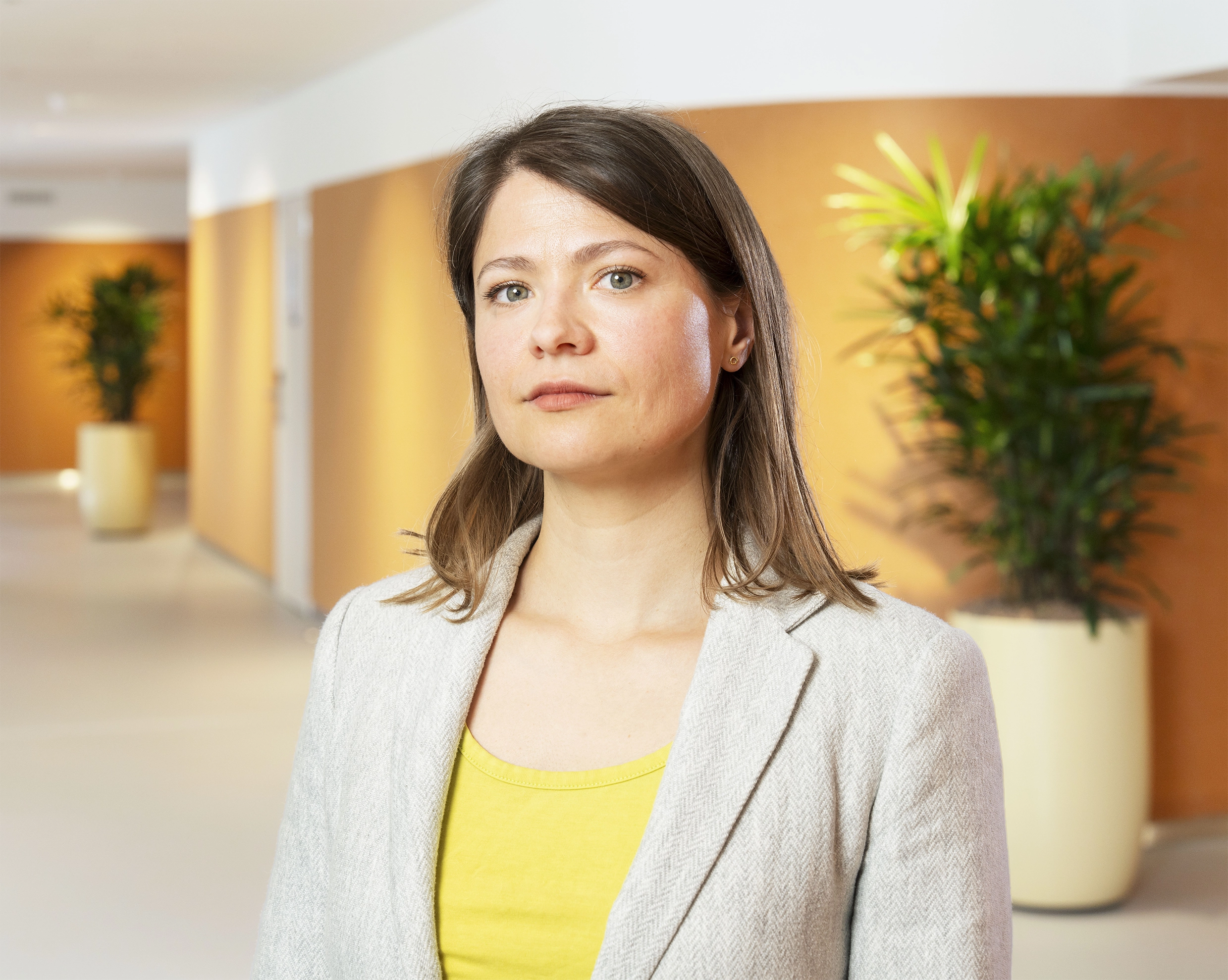
Miguel Leung

2026-06-09T12:17:14+02:00

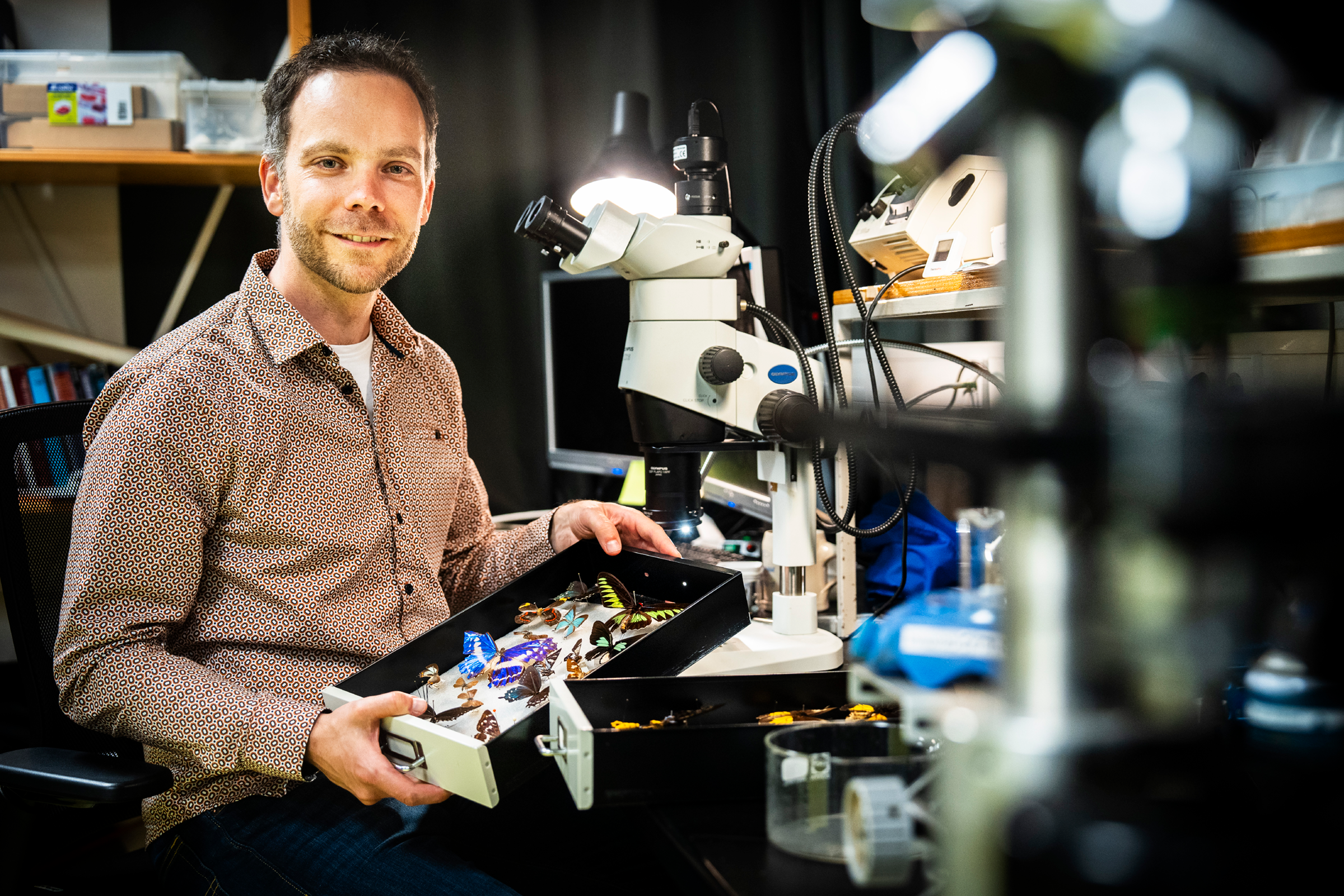
In many forms of infertility, it has been established that something is going wrong with sperm or egg cells, but exactly what remains unclear. Miguel Leung (1996) is trying to unravel that mystery by closely studying the molecules in these cells. As a structural biologist at the Hubrecht Institute, he combines cryo-electron microscopy with AI to visualise protein structures at a resolution that was previously inaccessible. For his research, he is receiving the Heineken Young Scientists Award for Medical/Biomedical Sciences 2026.

What becomes visible if you can zoom in far enough on the interior of a cell? Using cryo-electron microscopy and tomography, Miguel Leung is able to visualise protein complexes in very high resolution, in an almost natural state. When molecules are flash-frozen at incredible speed, they stay trapped in the form they had inside the cell. This allows him to capture processes that normally remain invisible.

Combining this technique with AI applications provides a 3D glimpse into the machinery of the cell. That precision opens up many possibilities: where researchers previously only had a vague idea of what proteins were doing inside the cell, they can now observe which proteins are part of the complex and what their interaction partners are.

New insights into how the sperm cell works
One of Leung’s most important discoveries offers new insight into the inner workings of the sperm cell. To fertilise an egg cell, a sperm cell must be able to propel itself forward. This is achieved by moving the tail rhythmically back and forth. Working with colleagues, Leung was able to map the 3D structure of the molecular machinery behind that movement. As a result, he not only discovered that it consists of more than 150 different proteins, but also learned how those proteins interact with each other within the sperm cell.

Recent breakthrough
In early 2026, Leung and his team solved a puzzle that has stumped biologists since the 1960s. The researchers discovered that more than twelve proteins together form a single huge storage complex in egg cells. That complex stores a supply of proteins that is essential for early embryonic development. “In some cases of infertility, it is likely that something is going wrong with that storage mechanism,” says Leung. “By identifying where a mutation occurs within the structure, we can increasingly understand how such problems arise.”

Jury praises pioneering work
The jury, chaired by Hester den Ruijter (professor at UMC Utrecht), calls Leung a pioneer in molecular and developmental biology. His work allows him to study structures within the cell at very high resolutions and to visualise processes that were previously inaccessible. In addition to his scientific achievements, the jury praises his dedication to mentoring young international researchers. “With his combination of technological innovation, fundamental biological discoveries, and commitment to the next generation of scientists, we consider him a role model for young researchers and expect his work to have a lasting impact,” Den Ruijter says.
Yusuf Çelik

2026-06-09T12:17:37+02:00

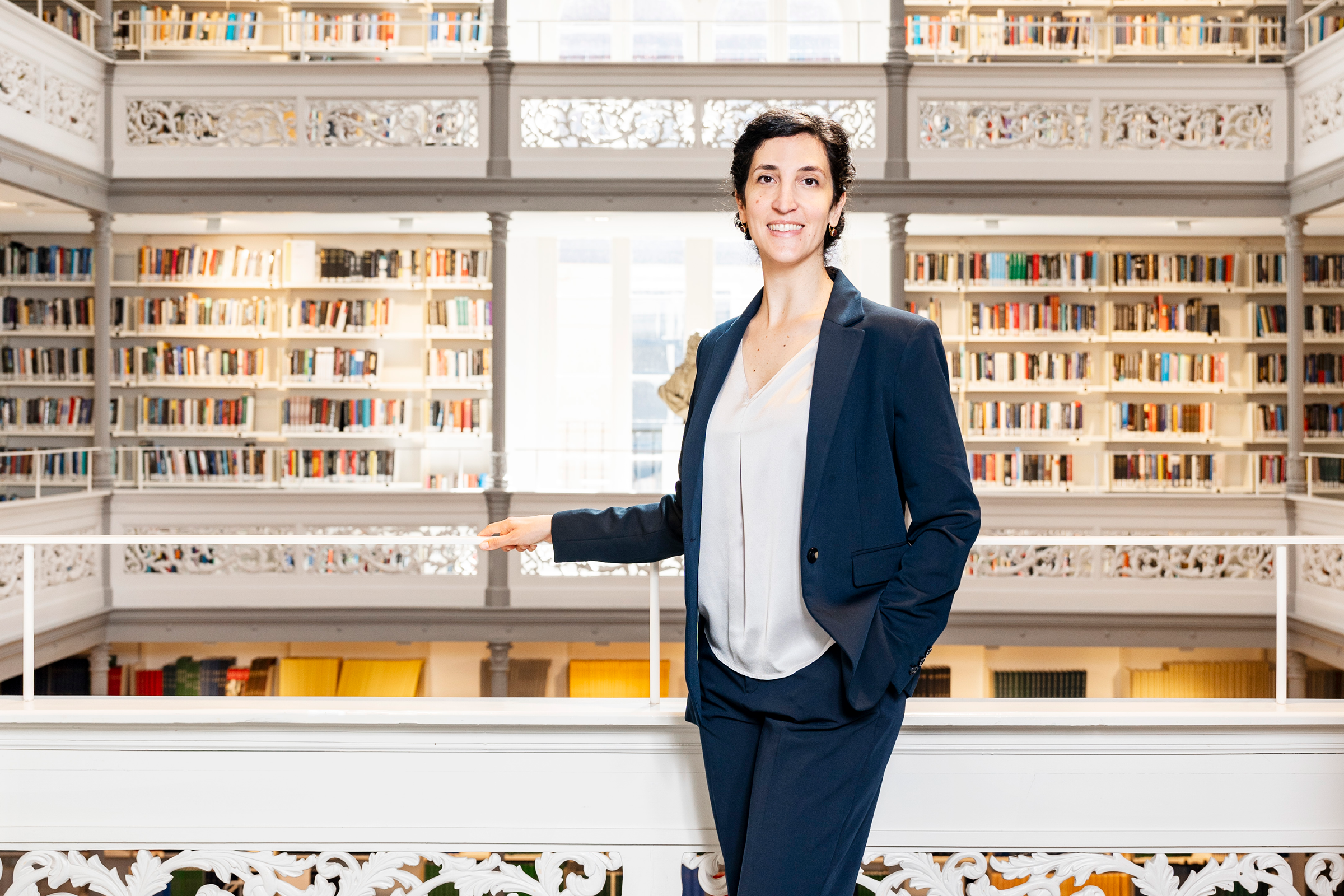
Over the centuries, religions have adopted all sorts of ideas and customs from each other. Yusuf Çelik (1986), assistant professor of Digital Humanities and Islam at VU University Amsterdam, investigates exactly how these cross-pollinations came about. Using AI, he peruses and analyses millions of pages of historical texts –work that would otherwise take researchers many years to complete. For his research, he is receiving the Heineken Young Scientists Award for Humanities 2026.

Where digital search methods used to rely on exact keywords, such as ‘Jewish’ or ‘Muslim’, AI also recognises contextual connections without these specific terms appearing in the text. For example, when searching for ‘dogs’, AI also identifies passages about ‘faithful four-legged friends’. Thanks to these technological advances, Çelik has discovered connections between religions that had previously remained hidden from view for preceding generations of scholars.

Religious cross-pollination
To research exactly how religious cross-pollination took place, Çelik has analysed massive numbers of historical texts using AI. His research shows, for example, that Jews played a significant role in the early development of Islam. This contact between Muslims and Jewish communities dates back to the earliest period of Islam in Medina. Later, in the 8th and 9th centuries, as Islam propagated to areas where Jewish communities also lived, this dialogue continued in other regions. Jews who converted to Islam played a key role here: they brought knowledge and experiences that other Muslims did not have – knowledge that Muslim scholars subsequently incorporated into their own writings.

Jury praises innovative methodology
The jury, chaired by Hester den Ruijter (professor at UMC Utrecht), praises Çelik as a role model in his field. “His research demonstrates the possibilities that new digital methods offer for science,” says Den Ruijter. What the jury particularly values is the originality with which Çelik has revealed patterns in large collections of historical texts, and the way in which he has continued to put digital humanities on the map as an interdisciplinary field.

Plans for the future
Çelik intends to continue expanding his research in the years to come. For instance, he wants to analyse historical sources in which people describe their dreams. Did they dream about tangible everyday things, such as camels and commerce? Or about more abstract desires, such as lost loves or adventure? And within that context, do different patterns emerge across the regions of the Islamic world? He also wants to explore how people experienced and described heartbreak in the past.

At the same time, Çelik advocates greater recognition of cultural cross-pollination. “I am Muslim myself and I have reservations about working on Sundays,” he says. “But that doesn’t come from Islam. Because I grew up in the Netherlands, I have subconsciously adopted that Christian attitude. That shows that we are all connected.”

Ayushi Rastogi

2026-06-09T12:17:01+02:00

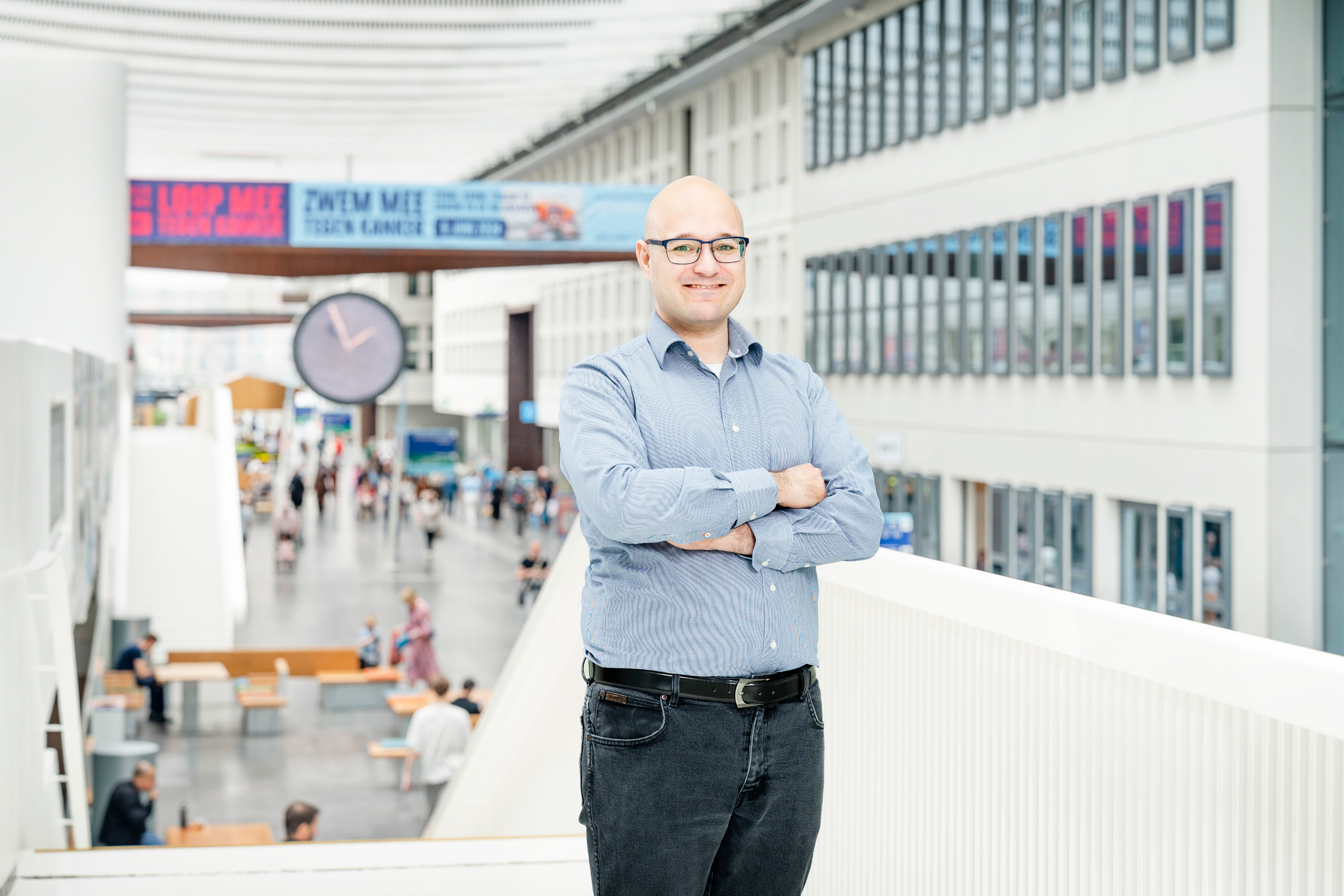
Software is intricately intertwined with virtually every aspect of our lives, from paying by card at the supermarket to checking in to board a train. When software fails, it can disrupt the daily lives of millions of people. Ayushi Rastogi (1989), assistant professor of software engineering at the University of Groningen, investigates how software can be developed to be reliable and future-proof – especially in light of the ever-increasing role claimed by AI. For her research, which affects both academia and industry, she is receiving the Heineken Young Scientists Award for Natural Sciences 2026.

In a highly digitised country like the Netherlands, even minor software errors can have major consequences, ranging from public transport system failures to disruptions in healthcare. Rastogi’s research focuses on the human side of software development: how do behaviour, collaboration, and social factors influence the way software is built and evolves over time? She examines practices such as code reviews, team coordination, and the use of AI in software development. For that purpose, she combines large-scale data analysis with surveys and in-depth interviews.

What sets her approach apart is that she works with real-life software systems rather than in a lab. This offers a unique behind-the-scenes perspective on how software companies operate. “I study large-scale software systems in which thousands of developers (and increasingly AI) are constantly adapting and redeveloping software.” She translates the insights she gains into concrete guidelines for developers and organisations worldwide.

Diversity in development teams
Diversity within development teams also plays a key role in Rastogi’s research. A lack of representation can lead to software working less well for certain user groups. A well-known example is facial recognition, which is less accurate for darker skin tones. In her opinion, it is therefore important not only to train with diverse data but also to ensure that the teams themselves are diverse.

Jury praises bridge between science and practice
According to the jury, chaired by Hester den Ruijter (professor at UMC Utrecht), Rastogi is highly effective at connecting fundamental scientific research with practical applications. Her work receives international recognition and is high-profile in academia and industry. In addition, the jury appreciates her commitment to a more inclusive sector. “In doing so, she contributes to a digital world that not only functions well, but is also accessible to a wider group of people,” says Den Ruijter.

Future research
As AI takes over more and more software development tasks, the role of the developer is also shifting. Rastogi: “The challenge is to ensure that AI accelerates coding and routine tasks, while developers retain the overview and final responsibility.” In the next few years, Rastogi wants to further investigate how humans and AI can effectively collaborate in building the next generation of software systems.

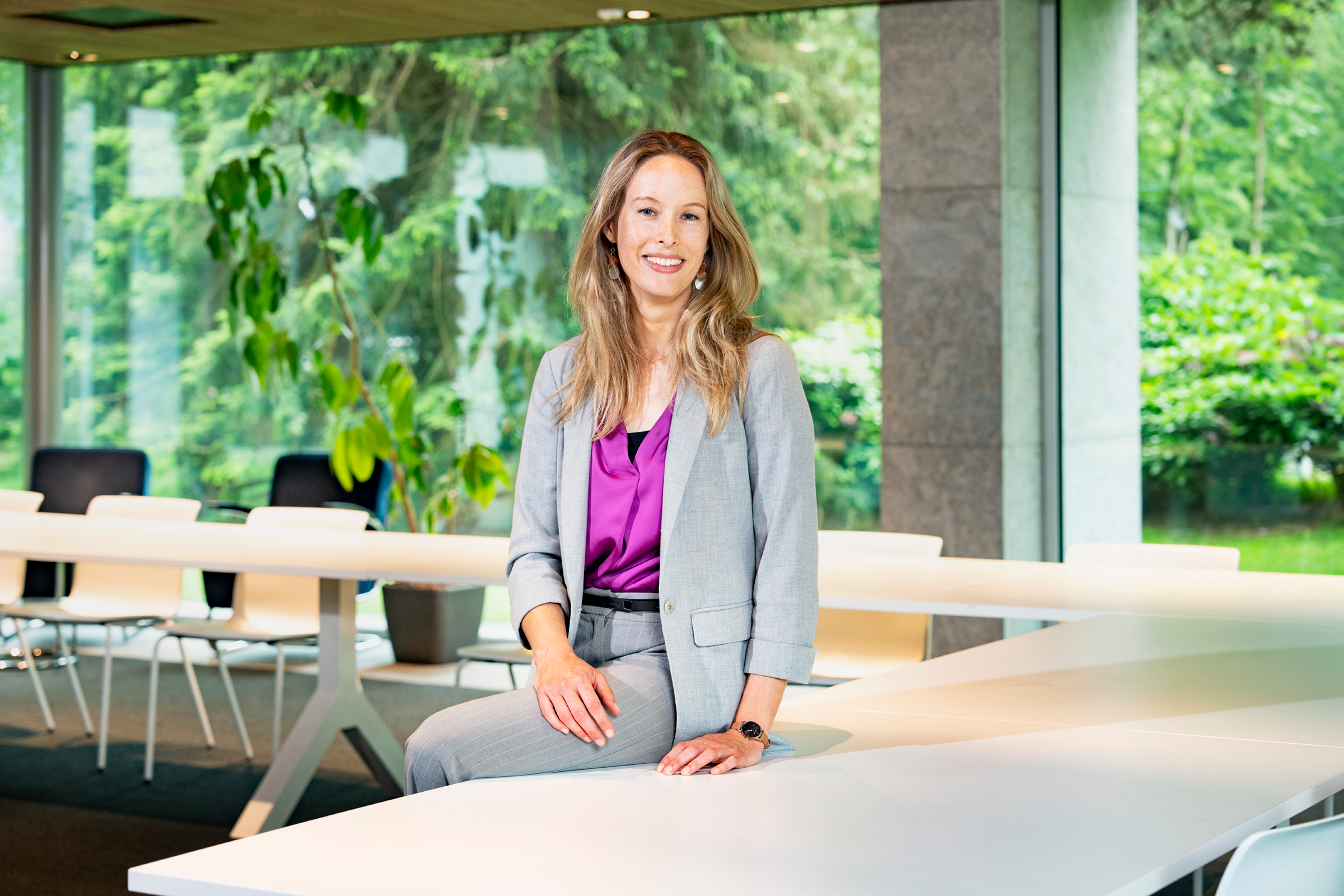
Anne Urai

2026-06-09T12:17:51+02:00

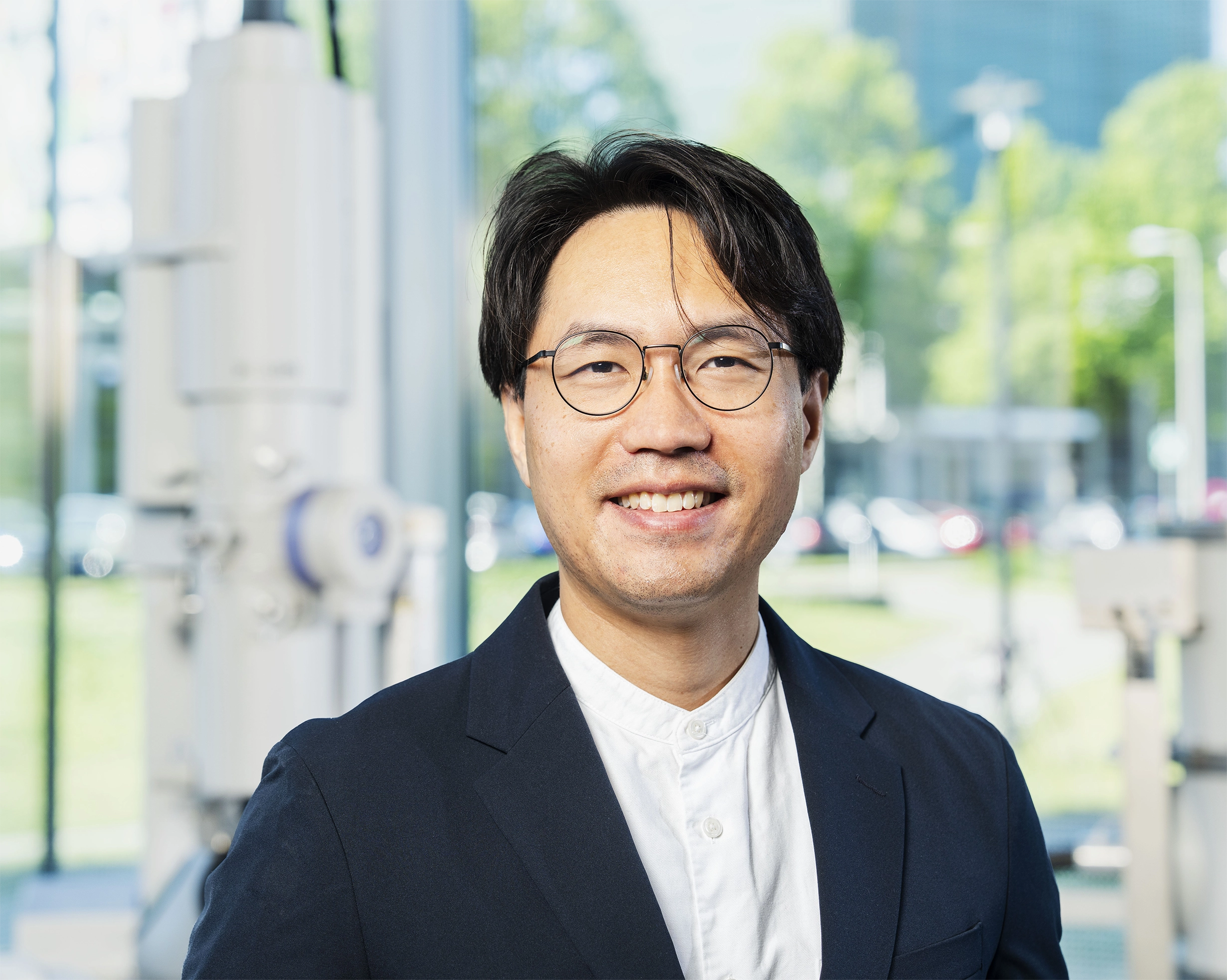
How do people make choices, and what happens in our brains when we do? Anne Urai (1988), assistant professor of cognitive neuroscience at Leiden University, investigates how our brains process information and use it to make decisions. In applying the resulting insights to current issues in society, she hopes to gain a better understanding of what motivates people to adopt sustainable behaviour. For her research, she is receiving the Heineken Young Scientists Award for Social Sciences 2026.

 Every day, people constantly make decisions about what they see, hear, and expect. But why does one person react differently than another to the exact same information? To gain a constantly improving understanding of how our brain processes information and where our decision-making behavior stems from, Urai translates real-world situations into controlled experiments in her laboratory.

Influence of previous choices and social pressure
Using magnetoencephalography (MEG), Urai and her colleagues record the brain’s magnetic activity while research participants play specially designed computer games. She uses this method to investigate how previous choices influence new decisions, among other topics. “We often don’t evaluate new information in a completely neutral way,” Urai says. “Our previous choices colour how we interpret new situations. That can lead to forms of confirmation bias. By being aware of this factor, we can make sure to take it into account more effectively when making important decisions.”

Urai also investigates how people make choices in group settings, particularly regarding social issues such as sustainability. Is someone more likely to choose the vegetarian option if more and more colleagues do too? This can lead to social tipping points: sudden shifts in behaviour that occur when people align their choices with others.

From the lab to society
As a self-proclaimed academic climate activist, in the future Urai wants to increasingly translate her lab research into behavioural change that is relevant to major issues in society. “Such as the shift toward more sustainable ways of living,” Urai says. “Insights from behavioural science and neuroscience can make a tangible contribution to that process.” In this context, she is curious about individual differences: why do some people stick to their habits while others do not?

Jury praises originality and impact
The jury, chaired by Hester den Ruijter (professor at UMC Utrecht), praises the originality, quality, and societal relevance of Urai’s work. According to the jury, she convincingly connects fundamental science with current issues in society. “With her interdisciplinary profile, strong international standing, and clear societal engagement, she is an inspiring role model for young researchers,” Den Ruijter says.

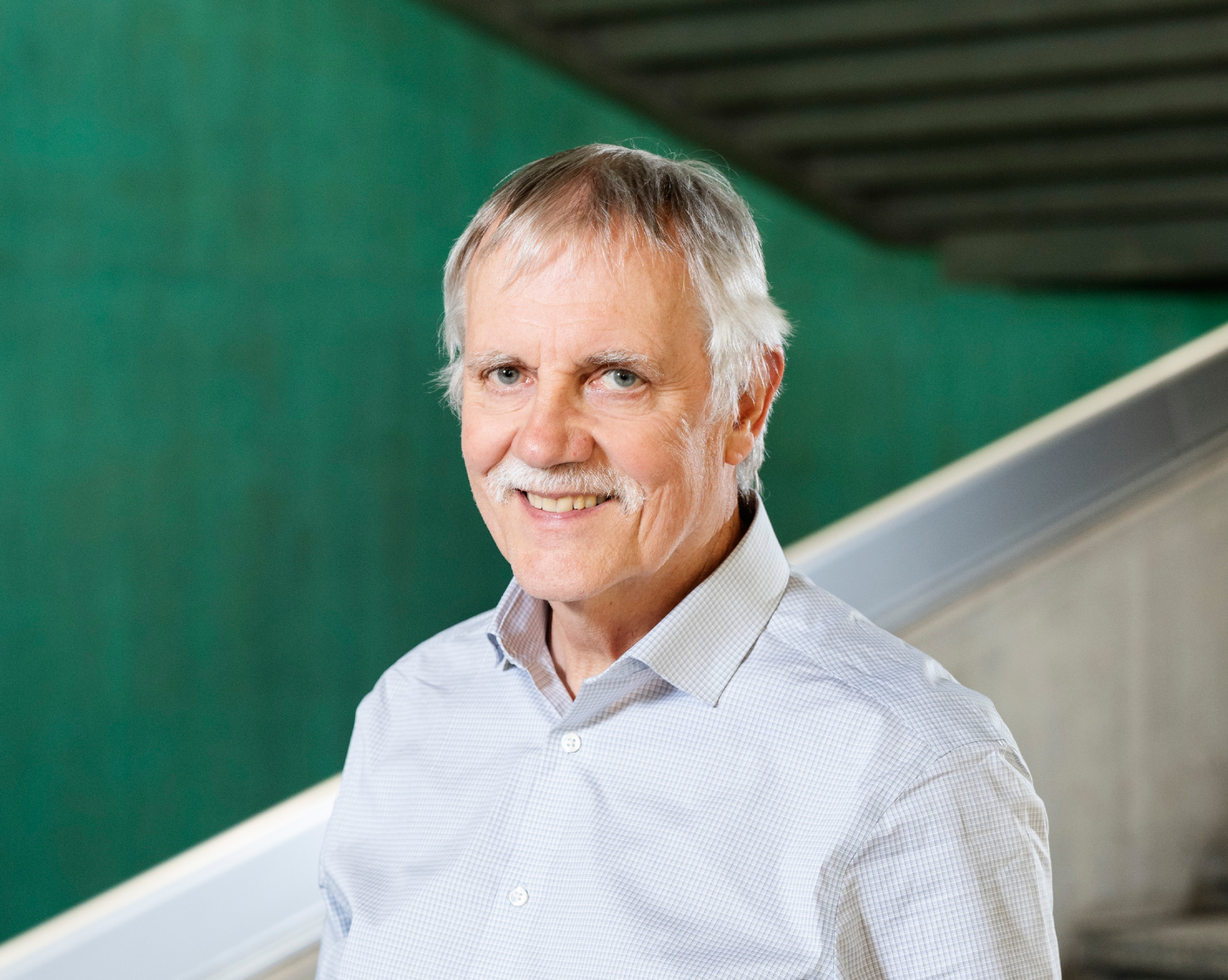
Ruedi Aebersold

2024-06-18T10:21:58+02:00

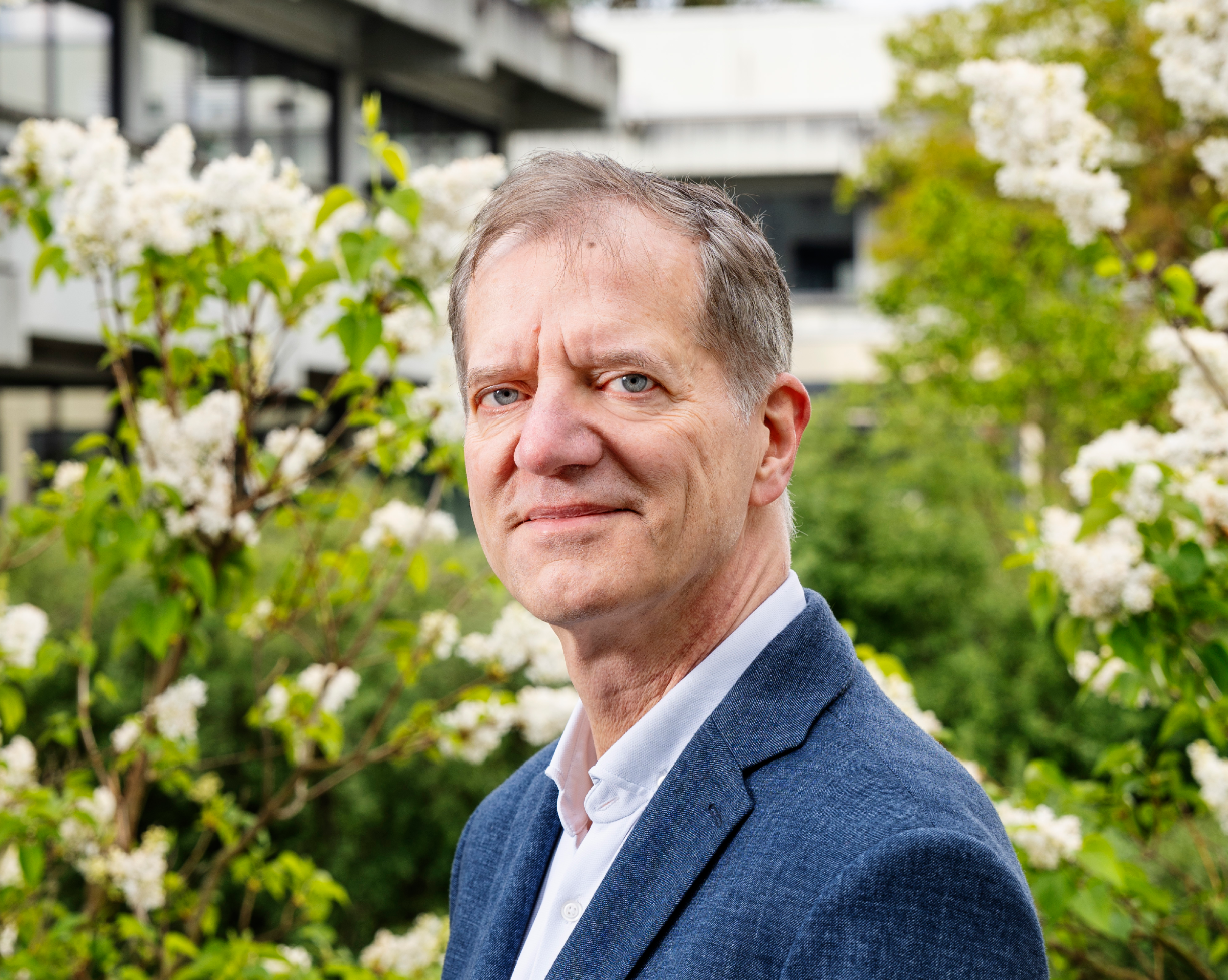
Biochemists Ruedi Aebersold and Matthias Mann will be awarded the Dr H.P. Heineken Prize for Biochemistry and Biophysics 2024. The jury commends their pioneering work in proteomics, and especially their prolific and seminal contributions to new techniques to study proteins in a system-wide context. As a result of their achievements, we better understand how healthy cells work and what goes wrong in disease. Never before has the prize been awarded to two independent scientists.

In 2024, it will be 60 years since Alfred Heineken introduced the very first Heineken Prize: the Dr H.P. Heineken Prize for Biochemistry and Biophysics. On this special anniversary edition, the jury has decided to nominate not one but two top scientists. In doing so, the jury honours not only the work of Aebersold and Mann, but also the field of proteomics. Previous laureates of the prize include Nobel laureate Carolyn Bertozzi (2022) and Bruce Stillman (2020).

Drivers of proteomics
Proteins are involved in all processes in the body. Without proteins, for example, there is no cell division, metabolism or growth. For a long time, it was thought that one protein performs one specific function. We now know that biology is much more complex. For example, it has become evident that one protein interacts with many different proteins to perform various functions. To understand how processes in our bodies work, it is not only necessary to identify proteins but also to uncover their interactions with each other. Large-scale research into this is called proteomics.

The jury believes that Ruedi Aebersold, professor emeritus at the ETH Zurich Technical University in Switzerland, and Matthias Mann, professor at the Max Planck Institute for Biochemistry in Germany, are drivers of this field. Their work has made essential contributions to identifying and analysing proteins and offered new insights into how they interact. Both scientists have developed new, innovative techniques that, among other things, have enabled accurate, quantitative measurements of thousands of proteins simultaneously, a method that has become a standard in the research field.

Although the two laureates have primarily followed their own paths over the past decades, they have significantly benefited from each other’s work. Moreover, they share a common goal: to identify the partnerships between all 8 billion proteins in a cell.

Applicability in medicine
As a result of the contributions of Aebersold and Mann, we better understand how healthy cells work and what goes wrong in disease. For example, we can now detect certain diseases early, such as liver disease. When someone is developing liver disease, the amounts of protein in the blood change. By detecting this early on, they can change their lifestyle and avoid becoming ill. Another important medical application is Mann’s research into allergic skin reactions to drugs. By studying patients’ affected skin cells, he discovered the cause and thus laid the foundation for treatment. He is currently analysing the differences in the interactions between proteins in cancer cells and normal cells within a single patient – an approach that could lead to personalised tumour treatments in the near future.

Key milestones over the years
Aebersold was among the first to recognize that our understanding of biological processes hinges not on genes but on proteins – the true workhorses of our cells. His advocacy for large-scale protein research was a testament to his visionary approach. He emphasized that a protein never operates in isolation, but is always part of a larger network, a concept that has since become a cornerstone of our understanding.

To understand how proteins work together, however, you must first know which proteins are present in the cell. One of the main techniques used to study this is mass spectrometry, which measures the masses of protein fragments. With this information, you can identify which protein you are dealing with. Mann was the first to develop an algorithm that could solve this puzzle. Thanks to this algorithm, many vital proteins were discovered. In doing so, Mann made a crucial contribution to analysing proteins in living systems. He did this with his supervisor and inspiration John Fenn, who received the Nobel Prize in chemistry in 2002.

Aebersold also made several essential technical contributions to mass spectrometry. For example, he made mass spectrometry suitable for a very targeted and accurate comparison of the protein composition of different cells. This enables the identification of the processes that are disrupted in a cell in disease. To apply this method optimally, Mann developed a mass spectrometer specifically for this technique. By joining forces, they created a method that almost everyone in the research field uses today.

About Ruedi Aebersold
Ruedi Aebersold (1954, Oberdiessbach) studied cellular biology at the University of Basel in Switzerland, where he also obtained a PhD in cellular biology. After two postdoctoral positions at the California Institute of Technology, he was appointed associate professor at the University of British Colombia in Vancouver in 1989. In 1993, he left for Seattle, where he was appointed professor of molecular biotechnology at the University of Washington in 1998. In 2000, he co-founded the world’s first Institute of Systems Biology there. In 2004, he moved back to Switzerland and became a professor of systems biology at the technical university ETH Zurich in Switzerland.

About Matthias Mann
Matthias Mann (1959, Thuine) studied physics and mathematics at the Georg August University in Germany. In 1988, he received his PhD in chemical engineering from Yale University in the United States. After a postdoctoral position at the Southern Danish University, he became group leader at the European Molecular Biology Laboratory in Heidelberg in 1992. In 1998, he was appointed professor of bioinformatics at the Southern Danish University, and he has been director of the Max-Planck Institute for Biochemistry in Martinsried since 2005. He has simultaneously been director of the proteomics programme at the University of Copenhagen since 2007.

Video

Ruedi Aebersold

Matthias Mann

2024-09-26T12:02:19+02:00

Biochemists Ruedi Aebersold and Matthias Mann will be awarded the Dr H.P. Heineken Prize for Biochemistry and Biophysics 2024. The jury commends their pioneering work in proteomics, and especially their prolific and seminal contributions to new techniques to study proteins in a system-wide context. As a result of their achievements, we better understand how healthy cells work and what goes wrong in disease. Never before has the prize been awarded to two independent scientists.

In 2024, it will be 60 years since Alfred Heineken introduced the very first Heineken Prize: the Dr H.P. Heineken Prize for Biochemistry and Biophysics. On this special anniversary edition, the jury has decided to nominate not one but two top scientists. In doing so, the jury honours not only the work of Aebersold and Mann, but also the field of proteomics. Previous laureates of the prize include Nobel laureate Carolyn Bertozzi (2022) and Bruce Stillman (2020).

Drivers of proteomics
Proteins are involved in all processes in the body. Without proteins, for example, there is no cell division, metabolism or growth. For a long time, it was thought that one protein performs one specific function. We now know that biology is much more complex. For example, it has become evident that one protein interacts with many different proteins to perform various functions. To understand how processes in our bodies work, it is not only necessary to identify proteins but also to uncover their interactions with each other. Large-scale research into this is called proteomics.

The jury believes that Ruedi Aebersold, professor emeritus at the ETH Zurich Technical University in Switzerland, and Matthias Mann, professor at the Max Planck Institute for Biochemistry in Germany, are drivers of this field. Their work has made essential contributions to identifying and analysing proteins and offered new insights into how they interact. Both scientists have developed new, innovative techniques that, among other things, have enabled accurate, quantitative measurements of thousands of proteins simultaneously, a method that has become a standard in the research field.

Although the two laureates have primarily followed their own paths over the past decades, they have significantly benefited from each other’s work. Moreover, they share a common goal: to identify the partnerships between all 8 billion proteins in a cell.

Applicability in medicine
As a result of the contributions of Aebersold and Mann, we better understand how healthy cells work and what goes wrong in disease. For example, we can now detect certain diseases early, such as liver disease. When someone is developing liver disease, the amounts of protein in the blood change. By detecting this early on, they can change their lifestyle and avoid becoming ill. Another important medical application is Mann’s research into allergic skin reactions to drugs. By studying patients’ affected skin cells, he discovered the cause and thus laid the foundation for treatment. He is currently analysing the differences in the interactions between proteins in cancer cells and normal cells within a single patient – an approach that could lead to personalised tumour treatments in the near future.

Key milestones over the years
Aebersold was among the first to recognize that our understanding of biological processes hinges not on genes but on proteins – the true workhorses of our cells. His advocacy for large-scale protein research was a testament to his visionary approach. He emphasized that a protein never operates in isolation, but is always part of a larger network, a concept that has since become a cornerstone of our understanding.

To understand how proteins work together, however, you must first know which proteins are present in the cell. One of the main techniques used to study this is mass spectrometry, which measures the masses of protein fragments. With this information, you can identify which protein you are dealing with. Mann was the first to develop an algorithm that could solve this puzzle. Thanks to this algorithm, many vital proteins were discovered. In doing so, Mann made a crucial contribution to analysing proteins in living systems. He did this with his supervisor and inspiration John Fenn, who received the Nobel Prize in chemistry in 2002.

Aebersold also made several essential technical contributions to mass spectrometry. For example, he made mass spectrometry suitable for a very targeted and accurate comparison of the protein composition of different cells. This enables the identification of the processes that are disrupted in a cell in disease. To apply this method optimally, Mann developed a mass spectrometer specifically for this technique. By joining forces, they created a method that almost everyone in the research field uses today.

About Ruedi Aebersold
Ruedi Aebersold (1954, Oberdiessbach) studied cellular biology at the University of Basel in Switzerland, where he also obtained a PhD in cellular biology. After two postdoctoral positions at the California Institute of Technology, he was appointed associate professor at the University of British Colombia in Vancouver in 1989. In 1993, he left for Seattle, where he was appointed professor of molecular biotechnology at the University of Washington in 1998. In 2000, he co-founded the world’s first Institute of Systems Biology there. In 2004, he moved back to Switzerland and became a professor of systems biology at the technical university ETH Zurich in Switzerland.

About Matthias Mann
Matthias Mann (1959, Thuine) studied physics and mathematics at the Georg August University in Germany. In 1988, he received his PhD in chemical engineering from Yale University in the United States. After a postdoctoral position at the Southern Danish University, he became group leader at the European Molecular Biology Laboratory in Heidelberg in 1992. In 1998, he was appointed professor of bioinformatics at the Southern Danish University, and he has been director of the Max-Planck Institute for Biochemistry in Martinsried since 2005. He has simultaneously been director of the proteomics programme at the University of Copenhagen since 2007.

Video

Matthias Mann

Interview with Manon van Scheppingen

2024-06-25T09:32:32+02:00

‘Your personality changes even when you are an adult’

For a long time, it was thought that our personalities are pretty much fixed from the age of 30. We now know that they can change throughout our lives. Manon van Scheppingen, a developmental psychologist at Tilburg University, studies what factors lead to personality change. She focuses particularly on young adults – people aged between 20 and 40.

Lees dit interview in het Nederlands (NewScientist)

‘Many young adults acquire a more mature personality over time, including more self-control and emotional stability,’ says Van Scheppingen. ‘But it is not yet clear what causes these changes. I therefore explore whether specific life transitions can explain this. For example, I expected the transition to parenthood to be one of the factors.’

Van Scheppingen had people who had their first child fill in a questionnaire about their personality at different times. She compared the results with a control group. ‘People who had a child did not, on average, appear to develop a more mature personality during that period than people who did not have a child.’ She did notice that some new parents, especially mothers, temporarily had lower self-confidence.

Although, on average, Van Scheppingen did not see a major personality change due to parenthood, some people do change significantly because of it. ‘For example, some people gain much more self-confidence, others much less,’ says Van Scheppingen. ‘In the near future, I will be studying what factors could explain these differences. In addition to the first child, I will also examine two other life events: the first job and cohabitation. Besides pre- and post-measurements of their personality, I will also explore how people experienced these events: did they perceive them as positive or negative? How was their stress level? That way, I hope to find out why some people change more than others.’

Van Scheppingen has also studied the role personalities play in romantic relationships. ‘We often hear that opposites attract. But our research found that people tend to select a partner who has similar personality traits, including a similar level of self-control.’

‘My research is quite fundamental,’ says Van Scheppingen. ‘But if we better understand how and why people change, this could help develop therapies in the field of personality change. However, I think we should also celebrate the fact that everyone has a different personality. I hope that my research can ensure that people get a better understanding of their personality and can organise their lives in the way that best suits it.’

Video

Young Scientist – Manon van Scheppingen

Interview with Casper van der Kooi

2024-06-25T09:32:23+02:00

‘Flowers Adapt Evolutionarily to Their Pollinators’

Plants need pollinators for reproduction, and they attract these pollinators with colourful flowers. Casper van der Kooi, an evolutionary biophysicist at the University of Groningen, studies how these colours form and evolve.

Lees dit interview in het Nederlands (NewScientist)

‘The colour and brightness of flowers change through evolution to be optimally visible to the pollinator,’ says Van der Kooi. Not all pollinators can see all colours equally well. Many insects, for example, cannot see red. As a result, flowers that rely on insects for pollination are rarely red. Many red flowers rely on birds, which can see red well, for their pollination. ‘The poppy is an exception, but it “cheats” because it also reflects ultraviolet,’ explains Van der Kooi. ‘Insects can see that very well.’

Van der Kooi showed that the colour of a flower is not only determined by its pigment, but that the internal structure of the flower is equally important. ‘A yellow flower, for example, has a pigment that absorbs blue light and reflects the rest,’ he says. ‘As a result, we see the remainder of the spectrum as yellow. But the way in which the flower reflects that remaining light is also important. A flower consists of several layers of cells, which scatter light in different ways. I study how this cell structure leads to the visual signal that animals and humans see.’ An example of a flower with an exceptional structure is the buttercup. ‘It has an outer layer that makes it very shiny.’

Lately, Van der Kooi has also been focusing on butterflies. He studies how the colours of their wings form and evolve to best attract a mate. ‘What makes butterflies so fascinating is that they have the most brilliant colours found in nature. They are also very dynamic – they fly around each other, continuously reflecting light in different ways. We want to study how butterflies’ colours combined with their behaviour determine how attractive they look to a potential partner.’

Van der Kooi’s research helps to better understand communication between animals, as well as between plants and animals. ‘Colour is a wonderful way to visualise biodiversity. I hope to make the abstract concept of biodiversity more concrete with my research and thereby inspire others to get involved in protecting plants and animals.’

Video

Young Scientist – Casper van der Kooi

Interview with Lorena De Vita

2024-06-25T09:32:12+02:00

‘Reconciliation between countries often requires uncomfortable compromises’

Historical research on international relations often focuses on wars and conflicts. Instead, Lorena De Vita, a historian at Utrecht University, focuses on how countries can reconcile afterwards. ‘I want to know how people and countries deal with the aftermath of horrors such as wars and genocides,’ says De Vita. ‘In addition, I am exploring what we can learn from this for the present.’

Lees dit interview in het Nederlands (NewScientist)

De Vita aims to discover what the conditions for reconciliation are, why it has succeeded in some cases and not in others, and who the protagonists are. In doing so, she looks beyond obvious individuals such as prime ministers and foreign ministers. ‘Of course, I did a lot of research in the official archives of ministries. But I also try to look at people who do not usually end up in the history books. In some cases, among the real diplomats there also turned out to be scientists, lawyers, and journalists.’

Among other things, Vita studied how Germany and Israel reconciled after World War II. ‘An important lesson I learned is that such a reconciliation is full of uncomfortable compromises. One of the reasons why the reconciliation finally succeeded is that there were concrete interests on both sides. For Germany, it was important to show other countries that it was taking responsibility for the past. It did so partly by negotiating reparations to Israel. And Israel was in a dire situation in the early 1950s – almost on the brink of economic collapse and politically extremely isolated in the Middle East. Also important was that there were enough people who felt it was worth pursuing dialogue. Not just at the highest level: there were also groups of citizens from both sides restarting the dialogue.’

In addition to reconciliation between countries, De Vita studies other forms of reparations. ‘Today, there is still a strong call to “repair” various events in history, such as slavery, colonialism, and genocide,’ says De Vita. She is currently researching what this ‘repair’ might look like, including by studying the diaries of German lawyer Otto Küster. He negotiated reparations for Holocaust survivors after World War II. ‘I am analysing these unique historical sources in the hope that this will help us better understand the ways in which you can right past injustices.’

Video

Young Scientist – Lorena De Vita

Interview with Kevin ten Haaf

2024-06-25T09:32:01+02:00

‘Efficient lung cancer screening can prevent deaths’

Early detection of cancer can offer many health benefits. If a tumour has not yet metastasised, it can often still be removed or treated. However, it is not feasible to screen everyone continuously. That is why Kevin ten Haaf, an econometrician at Erasmus MC Rotterdam, is developing models to determine how to personalise screening programmes. He focuses specifically on lung cancer.

Lees dit interview in het Nederlands (NewScientist)

‘We want to identify who is at high risk of developing lung cancer,’ says Ten Haaf. ‘Using smoking history and age, we can already determine about 90 per cent of the risk. Important factors also include whether people have COPD and whether lung cancer runs in the family.’ It is important to screen high-risk individuals, while for low-risk individuals, the benefits sometimes do not outweigh the drawbacks, including the pressure this creates on healthcare. For example, screening might detect a tumour in someone of old age or with a limited life expectancy that would not have caused problems in their lifetime. ‘It is better to stop screening at some point.’

Ten Haaf’s research underpinned several screening programmes and recommendations, including those in Australia, Switzerland, the United States, and the province of Ontario in Canada. Currently, his research focuses on several European countries, including the Netherlands. ‘When developing a screening programme, we first map smoking behaviour in a country,’ says Ten Haaf. ‘With this, we calculate how many people are at high risk of developing lung cancer. We then compute thousands of strategies, evaluating different combinations of start and stop ages, time between screenings and risk levels. Suppose you scan this group of people every year from age 55 onwards: how many CT scans would you need? What would that cost? How many people would no longer die of lung cancer? And how long would they live after their cancer deaths are prevented?’ Using these scenarios, Ten Haaf determines the optimal strategy for a given country.

Screening programmes can help reduce deaths from lung cancer, but Ten Haaf stresses that preventing people from smoking and helping people to quit remains key. This helps prevent not only lung cancer but also other diseases. And if a person has already developed lung cancer, quitting smoking ensures that treatments are more effective.

In the future, Ten Haaf plans to also apply his knowledge to screening and treatment of other diseases, such as breast cancer, head and neck cancer, bladder cancer, and cardiovascular disease. ‘I hope to contribute to personalising screening and treatments in as many diseases as possible. That way, we can use the doctors and resources we have to help as many people as possible.’

Video

Young Scientist – Kevin ten Haaf


Go to Top