Portfolio

Mariëtte R. Boon

2021-06-29T10:45:02+02:00

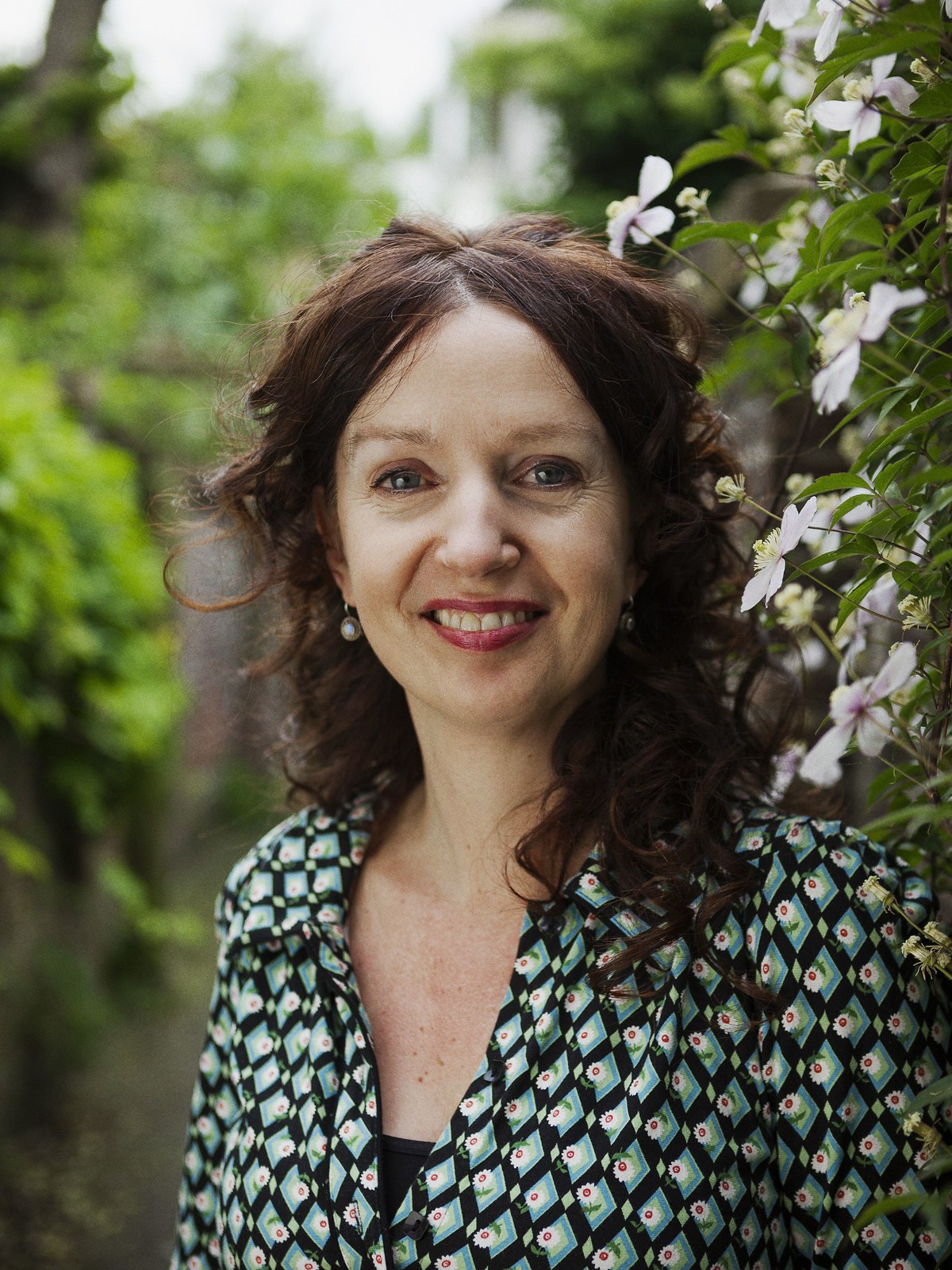
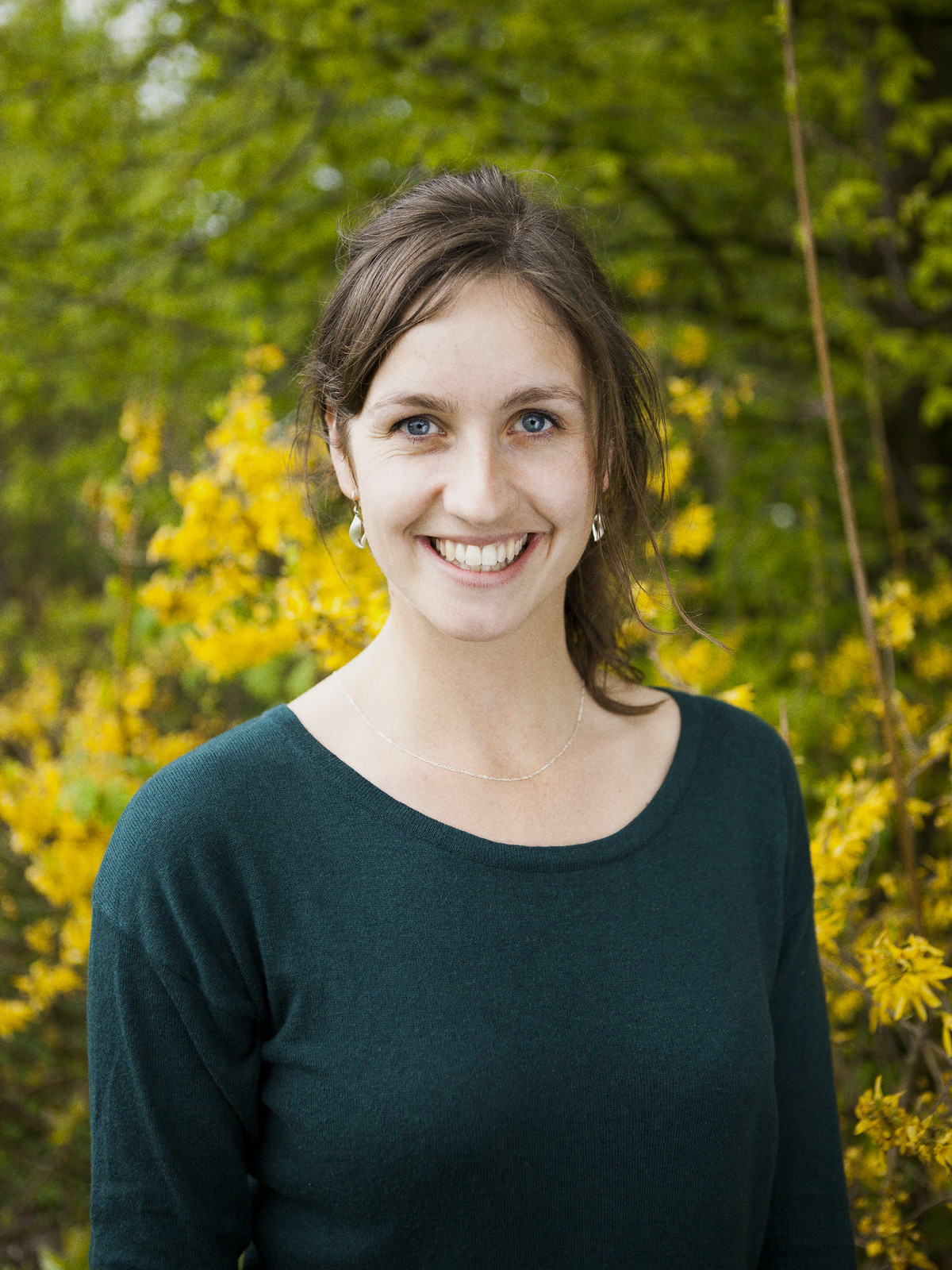
Dr M.R. Boon is a post-doctoral researcher at the Endocrinology department of Leiden University Medical Centre. She received the Heineken Young Scientists Award for Medicine 2016 for her research on ‘brown fat’, a type of fat cell that – unlike ‘normal’ fat cells – metabolises glucose and lipids and converts them into body heat.
Mariëtte Boon studied medicine and biomedical sciences at Leiden University. She received her PhD in 2014 at the same university for her study of the role of brown fat in Dutch individuals prone to obesity, type 2 diabetes and cardiovascular disease, especially those of South Asian (Hindustani) descent. Her research showed that they carry relatively little brown fat, respond differently to cold, and expend little energy when at rest.
In experiments involving animals, Boon discovered ways to activate brown fat, which may point the way to new treatments for obesity and associated disorders.
Despite her youth, Boon has authored/co-authored dozens of scientific publications, some appearing in high-impact journals. She has received nine awards and seven research grants. She is also one of the founders of the ‘Young Dutch Society for Endocrinology’.

Video

Video interview with Mariëtte Boon
Karwan J. Fatah-Black

2021-06-29T10:45:47+02:00

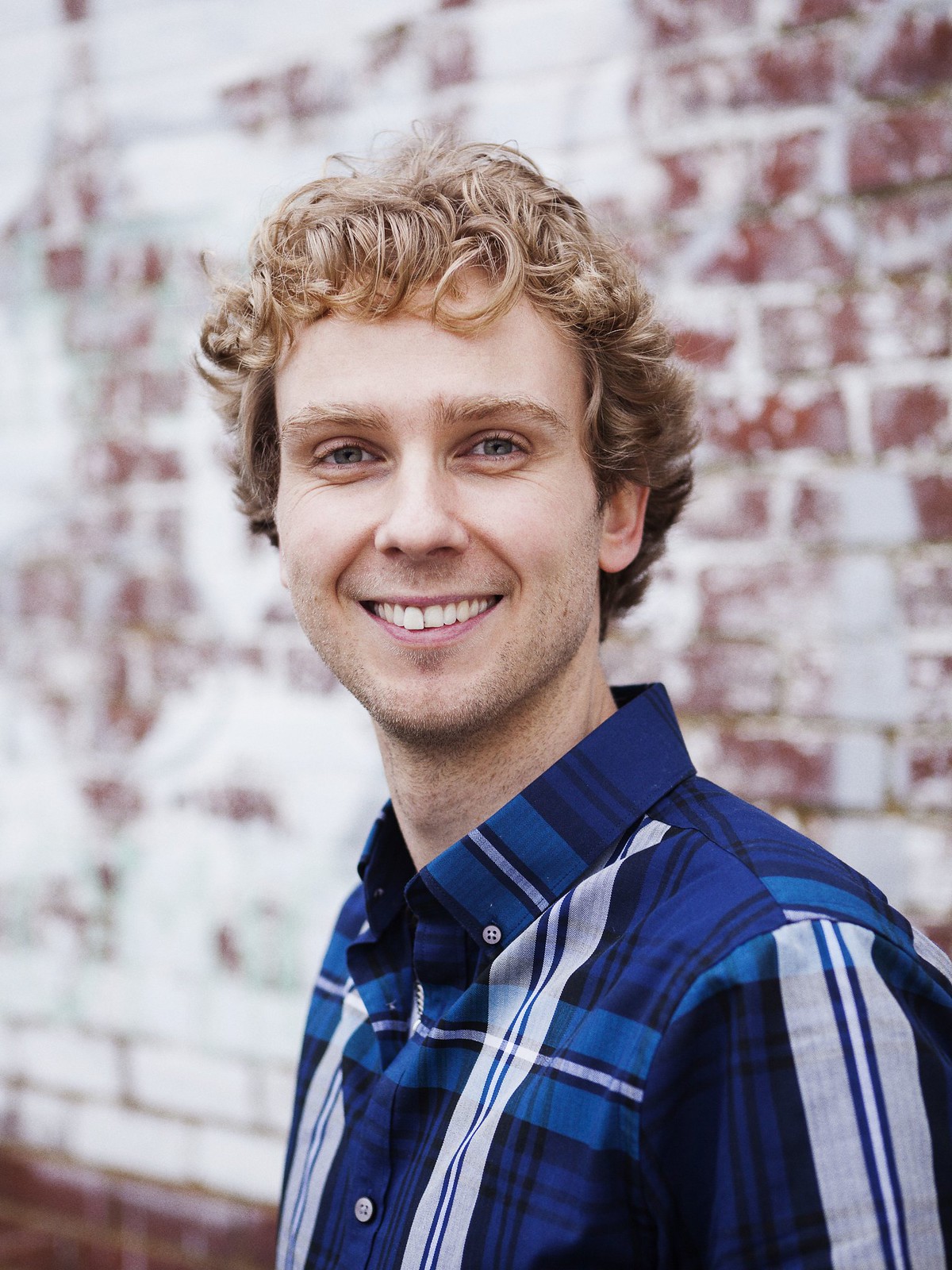
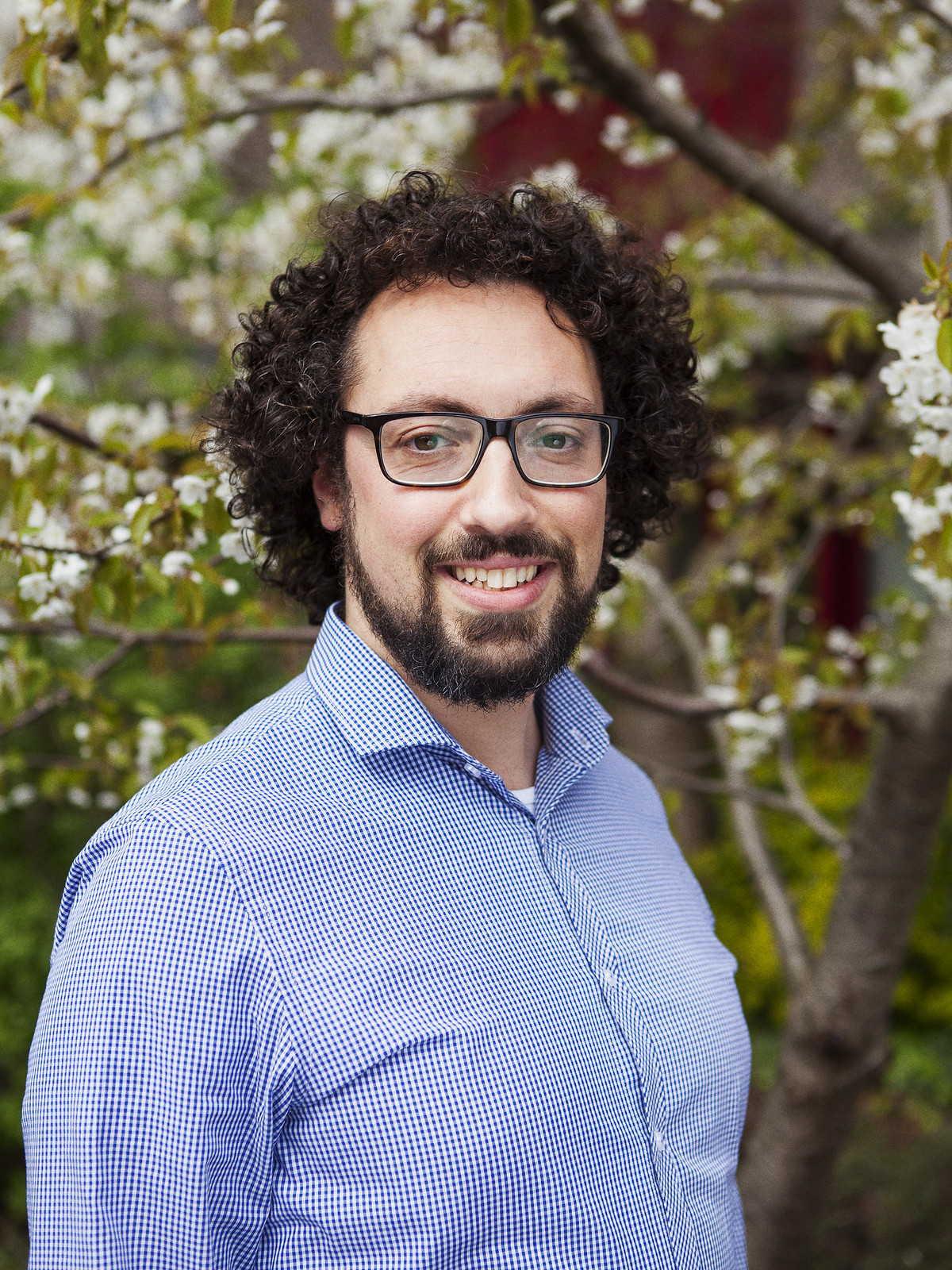
Dr K.J. Fatah-Black is an assistant professor at the Institute for History, Leiden University. He received the Heineken Young Scientists Award for History 2016 for his study of Dutch formal and informal transatlantic trade in the Golden Age, especially the trade in slaves.
Karwan Fatah-Black studied history at the University of Amsterdam and received his doctorate from Leiden University in 2013. Slavery, smuggling and illegal trade are important themes in his work. For example, he helped calculate the profits gained by the Dutch from transporting and trading in African slaves. The outcomes were much higher than previously thought because he looked beyond official Dutch West India Company figures to include the extensive network of ‘informal trade’ that operated alongside it.
Fatah-Black is regarded as an expert on the history of slavery. He was awarded an NWO VENI grant to explore agency and empowerment among Surinamese slave families who cleared a path through slavery to freedom. He was also one of the founders of the Leiden Slavery Studies Association, which supports research on the role of slavery in general.
Karwan Fatah-Black is eager to engage in public discussion of the history of slavery. For example, he gives public lectures, makes media appearances, and is a quiz master at the Kwaku Festival in Amsterdam’s Bijlmer district and the Keti Koti (‘broken chains’) Festival, an annual celebration of the abolition of slavery in Suriname and the Netherlands Antilles.

Video

Video interview with Karwan Fatah-Black, winner of the Heineken Young Scientists Award for History 2016

Wouter Halfwerk

2021-06-29T10:46:12+02:00

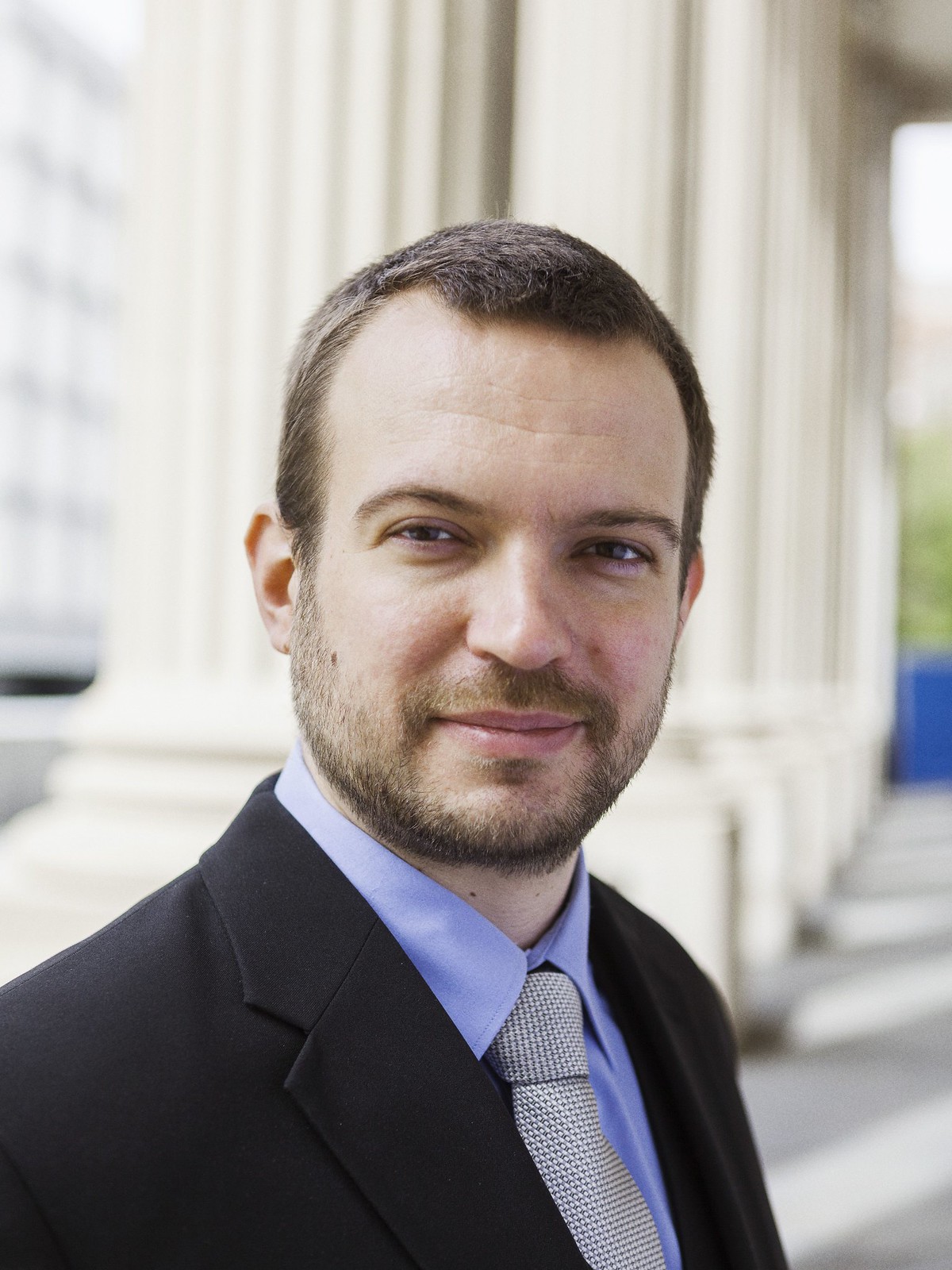
Dr W. Halfwerk is an assistant professor with the Faculty of Earth and Life Sciences at VU University Amsterdam. He received the Heineken Young Scientists Award for Environmental Sciences 2016 for his creative research on how humans alter communication between animals in nature.
Wouter Halfwerk studied biology at Utrecht University and received his PhD in 2012 at Leiden University for his research on the evolution and ecology of birdsong. He was especially interested in the influence of human noise pollution on communication between great tits.
He spent the next three years working outside the Netherlands and grew interested in other senses and species. For example, while he was stationed at the Smithsonian Tropical Research Institute in Panama, he used robotic frogs to study calling male túngara frogs and how predatory bats and parasitic midges perceive the associated cues and signals. A male frog that makes more sound and also generates more ripples on the surface of the water not only attracts more females but also more enemies.
Halfwerk is currently studying whether the sexual signals of male túngara frogs in urban settings differ from those of their counterparts in the jungle.
Wouter Halfwerk has published in such prestigious journals as Science. He has received an NWO VENI grant, an EU Marie Curie research grant, and a Smithsonian Fellowship. He is also actively involved in popularising science, for example by giving lectures and cooperating on television documentaries.

Video

Video interview with Wouter Halfwerk

Jasper Poort

2021-06-29T10:46:47+02:00

Dr J. Poort is a post-doctoral researcher at The Sainsbury Wellcome Centre for neural circuits and behaviour at the Faculty of Life Sciences, University College London. He received the Heineken Young Scientists Award for Cognitive Science 2016 for his research on how our brains take rapid decisions by concentrating on the most important information available.
Jasper Poort studied psychology at Leiden University and cognitive neurosciences at Radboud University Nijmegen. He completed his PhD in 2012 at VU University Amsterdam for research that he had conducted at the Netherlands Institute for Neuroscience, an Academy institute.
Poort’s work concerns a question that intrigues many cognitive scientists: how do our brains manage to process vast amounts of sensory input at lightning speed when deciding on a course of action? How is it that we can move safely from A to B through crowded streets full of buildings, billboards, traffic signs and other people and vehicles? How does the brain manage to focus on the most crucial input and ignore the rest? How do nerve cells and regions of the brain cope with the unending flood of information all around them?
Jasper Poort has published in such prestigious journals as Neuron and is the recipient of both an NWO VENI grant, an EU Marie Curie research grant and a UCL Excellence Fellowship grant. He is eager to discuss his work with non-scientists as well. For example, he has cooperated on the Dutch ‘Canon of Science’ and gives public lectures on brain research.

Video

Video interview with Jasper Poort, winner of the Heineken Young Scientists Award for Cognitive Science 2016

Celia R. Berkers

2021-06-29T10:47:11+02:00

Dr C.R. Berkers is a research group leader at Utrecht University’s Bijvoet Center for Biomolecular Research. She received the Heineken Young Scientists Award for Biochemistry and Biophysics 2014 for her research into the workings of the proteasome, a structure that breaks down proteins in biological cells.
Chemist Celia Berkers did research at Harvard Medical School in Boston and the Netherlands Cancer Institute in Amsterdam before obtaining her PhD in 2010 at Leiden University.
Since 2013, Berkers has headed a group at the Bijvoet Center for Biomolecular Research that studies interactions between medicines and the ‘metabolome’, i.e. all the small molecules in the cell and their interactions.
Her work may help us develop new drugs against various diseases. Berkers received a Rubicon Fellowship from the Netherlands Organisation for Scientific Research (NWO) in 2011. In 2013, that same organisation awarded her a Veni Grant.

QUOTE
‘Even as a child I wanted to find “a cure for cancer”, and that desire has stayed with me. I want to understand what goes wrong in sick cells at the molecular level, and why some medicines work while others don’t.’

Alexander P.J. Vlaar

2021-06-29T10:47:39+02:00

Dr A.P.J. Vlaar is a postdoctoral researcher for the Laboratory of Experimental Intensive Care and Anaesthesiology at the Academic Medical Centre in Amsterdam. He received the Heineken Young Scientists Award for Medicine 2014 for his research into acute lung injury as a serious side effect of blood transfusions in IC patients.
Alexander Vlaar, a practising physician, received his PhD from the University of Amsterdam in 2010 for his research into acute lung injury, a potentially fatal side effect of blood transfusions given to intensive care patients. He confirmed that the risk of acute lung injury is increased by the presence of donor antibodies in transfusion products.
Vlaar’s work has helped lower the risk for IC patients. The jury has praised Vlaar’s ability to combine hospital practice and outstanding research. In 2013, he was awarded a Veni Grant by the Netherlands Organisation for Scientific Research (NWO).

QUOTE
‘I want to improve patient care. Sometimes that means introducing new medical treatments. But sometimes it also means abandoning widely used treatments that the latest research has shown to be ineffective.’

Irene van Renswoude

2021-06-29T10:48:12+02:00

Dr I. van Renswoude is a postdoctoral researcher at the Huygens Institute for the History of the Netherlands in The Hague. She received the Heineken Young Scientists Award for History 2014 for her study of the classical tradition of free speech and the processes of transformation by which it was transmitted to the Middle Ages.
Irene van Renswoude studied free speech in late Antiquity and the early Middle Ages at the Research Institute for History and Culture at Utrecht University. Her 2011 thesis dispelled theories that such ideals as rhetoric, honesty and criticism of the ruling class had disappeared at the end of Roman civilisation. She showed that the Middle Ages had dissidents as well. They were not philosophers, as in the latter days of Rome, but rather religious luminaries who cared just as little for wealth and power.
Today, Van Renswoude studies public debate in the Middle Ages at the Huygens ING Institute. In 2012, she won a prize from the Praemium Erasmianum Foundation.

QUOTE
‘It’s very important to venture outside the boundaries of your own discipline. We can learn a lot by opening ourselves up to ideas in other disciplines. There’s nothing as enriching as dialogue.’

Rob Middag

2021-06-29T10:48:41+02:00

Dr R. Middag is a lecturer in Chemical Oceanography for the Department of Chemistry at the University of Otago in Dunedin, New Zealand. He received the Heineken Young Scientists Award for Environmental Sciences 2014 for his highly productive research into trace metals in the world’s oceans.
Biologist Rob Middag obtained his PhD at the University of Groningen in 2010 for his research into the impact of two trace elements (aluminium and manganese) on oceanic algae growth. He carried out his research at the Royal Netherlands Institute for Sea Research (NIOZ) at Den Hoorn (Netherlands).
Middag subsequently worked as a postdoctoral researcher at the University of California before moving to a world-class oceanography institute in New Zealand. His field expeditions have quadrupled the global body of data on oceanic trace elements in just a few years.

QUOTE
‘My ultimate dream is to analyse the entire composition of ocean water, including substances that are present only in very minute concentrations, and then be able to unravel the interactions between all these components.’

Martin A. Vinck

2021-06-29T10:49:04+02:00

Dr M. Vinck is a postdoctoral research fellow at the Kavli Institute for Neuroscience, part of Yale University’s School of Medicine (New Haven, USA). He received the Heineken Young Scientists Award for Cognitive Science 2014 for his research into the role of electrical oscillation in cognitive processes.
Martin Vinck obtained his PhD at the University of Amsterdam in 2013, for his work on the relationship between electrical oscillations in brain cells and cognitive processes such as perception, memory and decision-making. He developed new mathematical methodologies that are now being applied by other researchers.
At Yale, Vinck is currently using oscillation techniques to study how cells in the primary visual cortex influence one another.
In 2013, Vinck was awarded a Rubicon Fellowship from the Netherlands Organisation for Scientific Research. He has also received Elsevier’s Scopus Young Researcher Award in the Life Sciences category.

QUOTE
‘I’m driven by the desire to discover patterns and sequences in complex data sets. There is a lot of beauty in the solutions that nature has come up with.’

Geert van den Bogaart

2020-05-03T20:38:17+02:00

Geert van den Bogaart received the Heineken Young Scientists Award for Biochemistry and Biophysics 2012 for his research on cell biology problems.
Dr Van den Bogaart received his PhD cum laude for his study on the mobility of bio-molecules; he has continued his work at the Max Planck Institute in Göttingen. He recently received an appointment as a junior group leader at the Nijmegen Centre for Molecular Life Sciences. According to the jury, Dr Van den Bogaart combines cell biology, microscopy, and insights from physics in a unique manner. The jury speaks of him as an exceptionally talented young researcher with a unique combination of different types of scientific expertise.

Go to Top