Portfolio

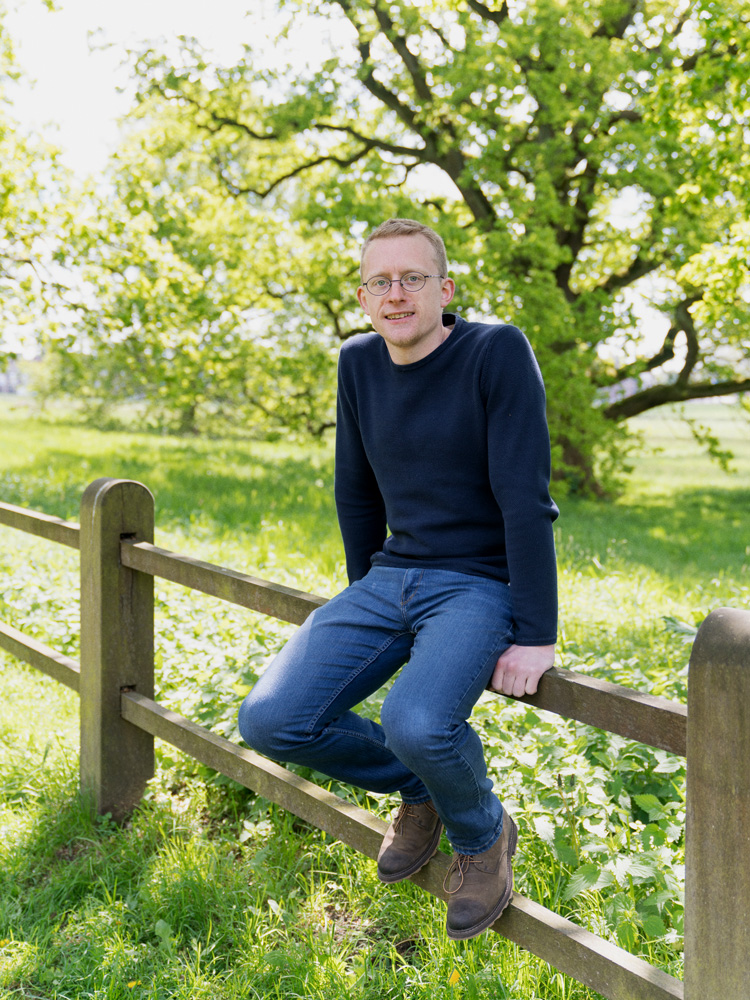
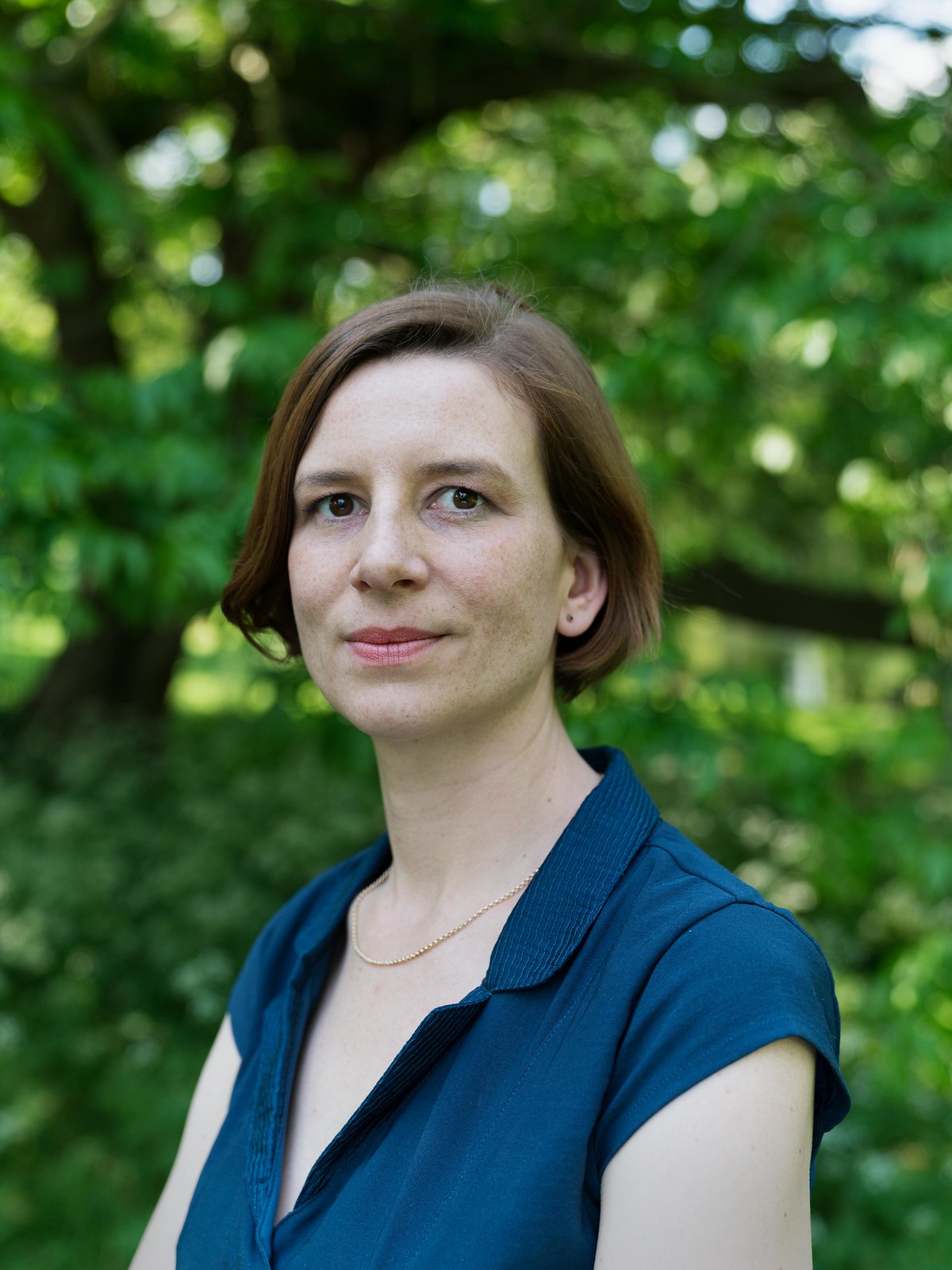
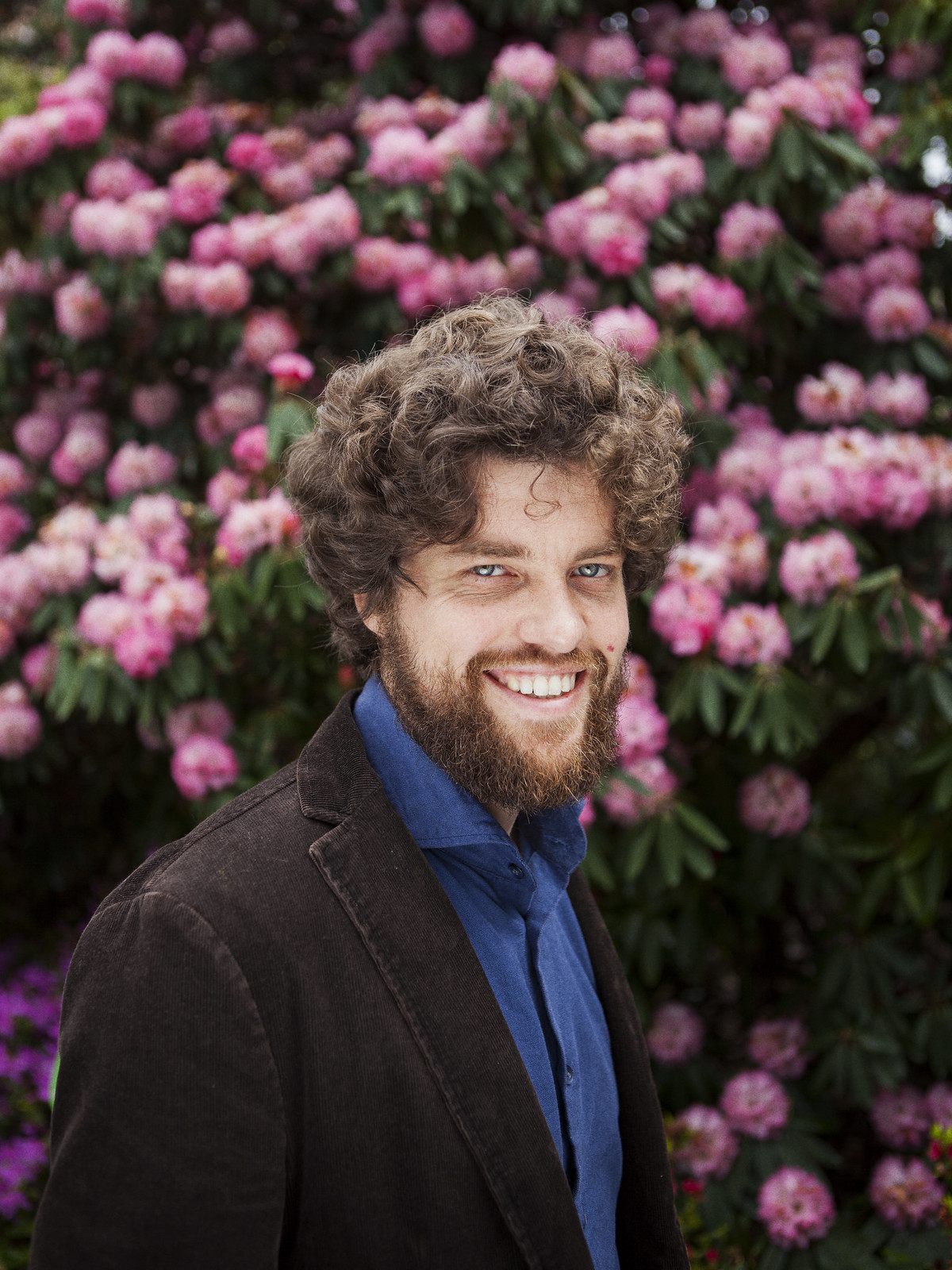
Joost Snijder

2021-06-29T10:42:26+02:00

Dr Joost Snijder received the Heineken Young Scientists Award in the Medical/Biomedical Sciences 2018 for using advanced microscopic techniques to study the molecular mechanisms of viruses.
The jury regarded Joost Snijder as an exceptionally talented, creative researcher who thinks and acts independently with great vision and daring. Although young, he has already published a great many articles in prestigious journals and initiated partner projects with the Max Planck Institute of Biochemistry, the Scripps Institute and other respected international organisations.
Joost Snijder is an independent researcher and research consultant who advises on biochemistry and molecular biology. He works with Utrecht University, the University of Washington in Seattle (USA) and other partners.
Snijder studied biomolecular sciences at Utrecht University. He received his PhD there in 2015 for his work using mass spectrometry to study the molecular mechanisms of viruses.

Research
During and after his PhD research, Joost Snijder became extremely knowledgeable about and skilled in the use of advanced microscopic techniques, including atomic force microscopy, cryo-electron microscopy, mass spectrometry and molecular modelling. His expertise allows him to explore a range of different macromolecular mechanisms, for example virus assembly and the molecular ‘biological clock’ of cyanobacteria.

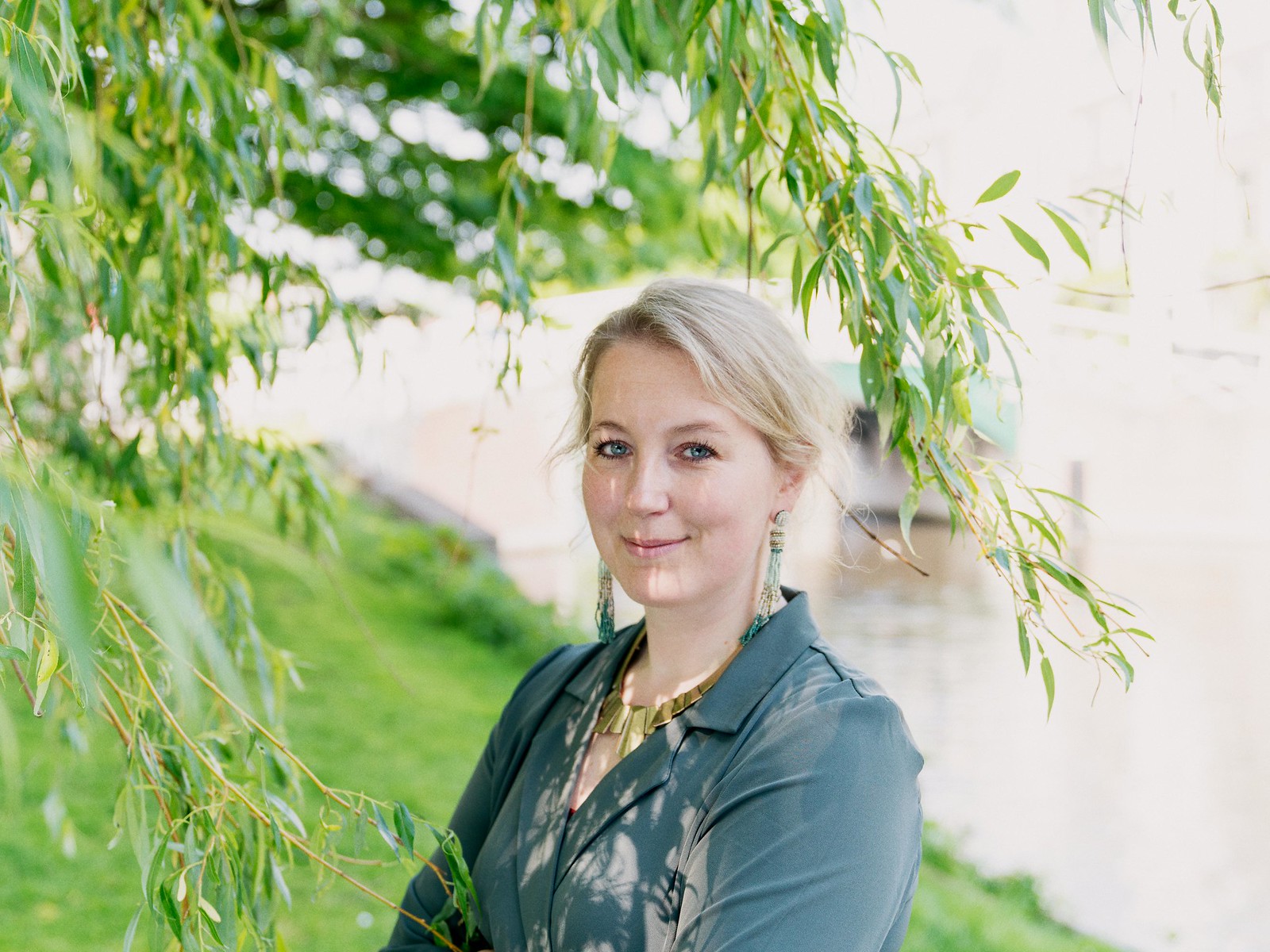
Maartje van der Woude

2021-06-29T10:58:10+02:00

Professor Maartje van der Woude received the Heineken Young Scientists Award in the Humanities 2018 for investigating the interplay between the law and public debate concerning such issues as terrorism, migration, and cross-border crime.
Maartje van der Woude focuses our attention on such issues as ethnic profiling and the reception of refugees. The jury praised her as an exceptional and inspiring research talent, a unique, passionate scientist who also seeks to connect with the public, for example in debates and a blog.
Maartje van der Woude is professor of Law and Society at Leiden University. She is also affiliated with the Centre International de Criminologie Comparée at the University of Montreal (Canada) and the Department of Criminology and Sociology of Law at the University of Oslo (Norway).
Van der Woude studied criminal law and criminology at Leiden University and received her PhD there in 2010 for her dissertation on the drafting of Dutch counterterrorism legislation.

Research

Maartje van der Woude’s work focuses on the interplay between the law and real life in a changing society. She examines different facets of the law – for example terrorism and counterterrorism, border control, migration, public order and security – to study how political and public debate on the one hand and the law on the other influence each other and to explore how essentially separate policy domains such as migration and security become intertwined.
For example, in her VIDI-funded research project she is studying how the various EU member states deal with the Schengen agreements on open internal borders and the free movement of persons in a social and political climate in which the fear of ‘dangerous others’ is an overriding concern.

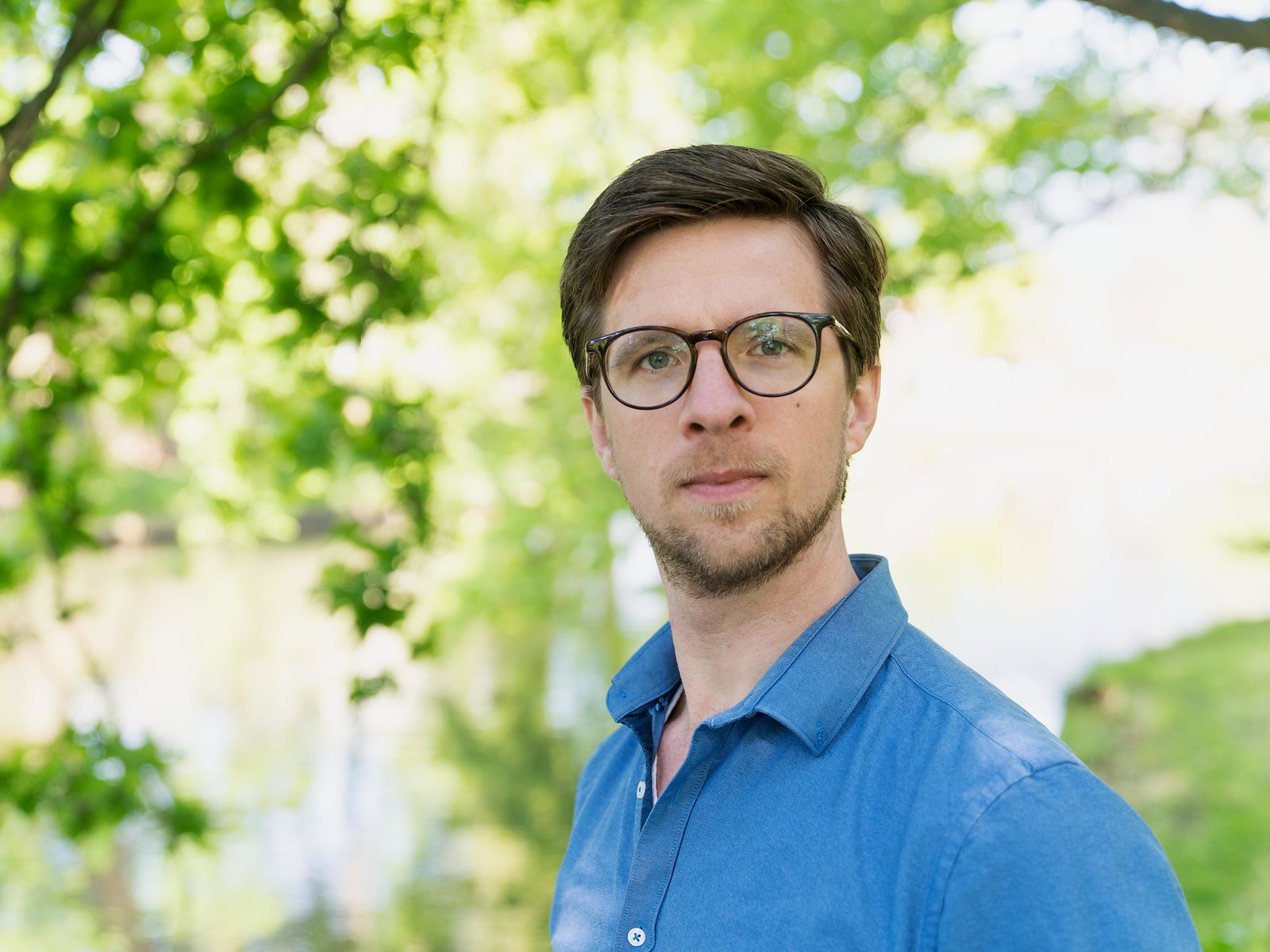
Peter K. Bijl

2021-06-29T10:43:28+02:00

Dr Peter Bijl received the Heineken Young Scientists Award in the Natural Sciences 2018 for researching the relationship between atmosphere, oceans and ecosystems in the Antarctic over the past 80 million years.
The jury praised Peter Bijl for his impressive list of publications but also for his ability to communicate with the general public about his wide-ranging research and inspire new generations of researchers, for example by appearing in the media, maintaining a vlog, and lecturing at secondary schools.
Peter Bijl is an assistant professor in the Earth Science department at Utrecht University. He is also the director of the LPP Foundation, an advisory body that facilitates research in the fields of marine and terrestrial palynology, organic and inorganic geochemistry and limnology.
Bijl studied earth sciences at Utrecht University and received his PhD there in 2011 for his study of the environmental and climatological evolution of the Southern Ocean in the Palaeogene Period (approximately 66 to 23 million years ago).

Research
Peter Bijl was still a young researcher when he began combining his knowledge of fossils with chemical and physical techniques to develop a new, now widely used method to determine the age of sedimentary rocks in the Antarctic. The key to this method lies in organic fossils (‘dinoflagellates’) and molecular fossils.
Using these methods, Bijl is now studying the climatological history of the Antarctic over the past 80 million years. His reconstructions show how greenhouse gases and changing patterns of circulation in the oceans during this period had a major impact on the development of the Antarctic ice sheet, the global climate, sea levels, and life on land and in the sea.
In his VENI-funded research, Bijl is now integrating his models of ice sheet dynamics and ocean circulation. His work has put him at the forefront of international research on Antarctic paleoclimate research.

Video

Video interview with Peter Bijl

Marie-José van Tol

2021-06-29T10:43:56+02:00

Dr Marie-José van Tol received the Heineken Young Scientists Award in the Social Sciences 2018 for studying the many factors that contribute to depression and other psychiatric disorders.
The jury recognised Marie-José van Tol as a talented, creative and passionate researcher who not only combines many different disciplines but also makes connections in other respects. She is one of the founders of the Young Academy Groningen and its current chairperson.
Dr Marie-José van Tol is assistant professor and principal investigator in the Neuropsychology faculty, part of the Department of Neuroscience at University Medical Center Groningen.
Van Tol studied clinical and medical psychology at Utrecht University. She received her PhD from Leiden University in 2011 for her MRI study of patients suffering depression or anxiety disorders.

Research
Marie-José van Tol is interested in unravelling the many factors that make people vulnerable to depression, anxiety, suicide, schizophrenia and other major psychiatric disorders. Her work is interdisciplinary in nature and combines knowledge and methods from clinical psychiatry, neuropsychology, cognitive psychology, neuroradiology, neuroscience and other fields.
In her quest to identify the underpinnings of psychological vulnerabilities, Van Tol explores a wide range of different influences. For example, her analyses allow for the presence of other psychiatric disorders, the course of the illness, the effects of treatments, genetic risk factors, personality factors and early trauma. She also makes use of innovative neuro-imaging techniques and analytical methods.


Video

Video interview with Marie-José van Tol

Edze R. Westra

2021-06-29T10:44:28+02:00

Dr E.R. Westra is a research fellow at the Environment and Sustainability Institute and a member of the Biosciences department in the College of Life and Environmental Sciences, University of Exeter (United Kingdom). He received the Heineken Young Scientists Award for Biochemistry and Biophysics 2016 for his cross-disciplinary study of CRISPR-Cas, a natural adaptive immune system in bacteria.
Edze Westra studied molecular life sciences at Wageningen University, where he obtained his PhD in microbiology in 2013. He has received awards for his doctoral thesis from both the Netherlands Society for Biochemistry and Molecular Biology and the Netherlands Society for Medical Microbiology. Shortly after completing his PhD, he accepted a position at the University of Exeter, where a number of major grants ensured him a permanent appointment in 2015.
Westra is a rising star in the fast-growing field of CRISPR-Cas, a molecular system in bacteria that allows them to recognise and disable viral DNA. It is now also being used for precision genome editing in living organisms.
Edze Westra is studying the role of the CRISPR-Cas system in nature. His research combines structural, biochemical, biophysical, evolutionary and ecological aspects, all of which are usually pursued within separate subdisciplines.
He has published or co-published many highly cited articles in such prestigious journals as Science and Nature. In addition to an EU Marie Curie research grant, he has received major stipends from the UK’s Natural Environment Research Council and the Wellcome Trust.
His enthusiasm is infectious and inspired the majority of his students to pursue a career in science. He is also a passionate ambassador for science with the general public.

Go to Top