Portfolio

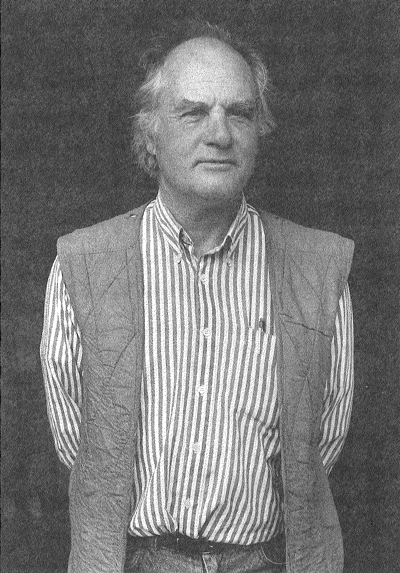
Carel Visser

2020-04-17T10:20:11+02:00

Sculptor and graphic artist Carel Visser received the Dr A.H. Heineken Prize for Art 1992 in recognition of his work as a sculptor, a maker of drawings and especially, his graphic work.
He was one of our most wayward artists, whose work refuses to be classified in terms of a style or tendency. Whereas part of this earlier work, in particular, can be referred to as constructivist or geometrically abstract, the greater part of his oeuvre exhibits a structure that is not founded on an abstract concept but is sooner inspired – sometimes very literally – by nature and by visual reality.
The impressions are transformed, incorporated into a form that exists independently of and parallel to that reality. This characteristic applies to his entire oeuvre, despite the seeming oppositions between fairly abstract, constructed sculptures, drawings and graphic work from the fifties and sixties, and the much freer language of forms that Visser uses in later years. Carel Visser’s graphic oeuvre consists almost entirely of woodcuts, always printed on thin Japanese paper, a material that forms a total contrast to his heavy and sizeable sculptures. Nonetheless, he makes his work on paper according to the same principles as the rest of his work. From the beginning on, these display clearly structured arrangements of forms. Initially they were linkings, heapings, reflections and repetitions, all built from a small repertoire of geometric forms.
Later, around 1970, there came a series of austerely geometric woodcuts, which nearly display the systematics of minimal art. But Carel Visser is essentially far removed from that form of abstraction: his work is too rooted in an intense experience of his world for this, too connected to life and to a human scale.
During the course of the seventies, freer, non-geometric forms and arrangements begin to appear in the woodcuts. Also, colours other than the black or yellow of his earlier graphic work make their entrance. And finally, in the 1980s, a new and very productive period arrives. Now the woodcuts are sometimes very large: the forms and compositions – often with a figurative impact – become increasingly free and active, while the colour takes on a more and more pronounced presence. It seems as though this new development has yet to reach its end for some lime.
The graphic oeuvre of Carel Visser can be regarded as the light-footed essence of this work, the simplest and clearest expression of that which inspires him as an artist. Simplicity and clarity are not qualities that come easily. Nor are they qualities that gain much esteem in these times. But they are pre-eminently characteristic of Carel Visser’s graphic oeuvre.

Biography
Carel Visser was born in the Dutch town of Papendrecht in 1928. After studying architecture at the Technical University, Delft, between 1948 and 1949, he went on to the Royal Academy of Art in The Hague from 1949 until 1951. Though Visser has been known primarily as a sculptor since the early 1950s, he has also received national and international recognition for his graphic art. 
Carel Visser passed away in March 2015.
Sir Salvador Moncada

2020-12-28T15:26:51+01:00

Salvador Moncada was awarded the Dr A.H. Heineken Prize for Medicine 1992 for his work in medicine and in particular on the role of nitric oxide. His work has deepened our understanding of cardiovascular disease.
In 1992, he was investigating a vasodilatory factor in the endothelium of blood vessels, the endothelium derived relaxing factor (EDRF), discovered over ten years ago. Moncada and his associates discovered that the factor is nitric oxide (NO), and that it is produced by the vascular endothelium in quantities sufficient to induce vasodilation. This bears directly on our understanding of cardiovascular diseases such as angina pectoris and infarcts.
The laureate has also done much to clarify the therapeutic effect of nitrates, utilised ever since 1867 in the treatment of angina pectoris. The most commonly used nitrate is Glyceryltrinitrate (nitroglycerin); dissolved in the mouth in tablet form, the drug relieves the pain in a matter of minutes by inducing acute dilation of the arteries and thus hypotension, which diminishes the load on the heart and the amount of oxygen needed by the myocard. The pain caused by anoxia of the myocard, resulting from the restricted flow of blood in the coronary arteries, disappears immediately. Though the drug may improve the flow of blood in these arteries, that is not its mode of action.
Dr. Moncada’s work also has great clinical importance for the understanding of the human immune system.

About the laureate
Dr Moncada is director of research of the Wellcome Research Laboratories in England. He was born in Honduras in 1944. He studied medicine at the University of El Salvador, where he received the MD degree in 1970. Thereafter he went to England to study pharmacology at the University of London’s Royal College of Surgeons and at the Wellcome Research Laboratories. He earned the doctorate in pharmacology in 1973, and the Doctor of Science degree from the University of London. Moncada has received many awards, including several honorary degrees.

Herman F.A. van der Wee

2020-05-03T19:18:31+02:00

Herman van der Wee received the Dr A.H. Heineken Prize for Historical Science 1992 for his outstanding work in economic history. His interests extend from the Middle Ages to the present. 
Whether writing about the Low Countries, Europe or the world at large, he is capable of focusing on small but nonetheless significant details one moment, and then standing back and surveying global historical developments the next. His uncanny ability to analyse and synthesize complex sources using innovative methodologies has inspired countless other members of his profession.
In 1951 Van der Wee presented a thesis entitled Outline of a method for the history of prices and wages, and then turned his attention to the economic development of Antwerp and its European hinterland during the early modern period. Out of this research grew his monumental doctoral dissertation, which was published in 1963: The Growth of the Antwerp Market and the European Economy, fourteenth-sixteenth centuries. This pioneering study is distinguished by innovative approaches to historical inquiry, metrology, monetary history, statistics, and to the analysis of economic cycles and development. After completing his dissertation, Van der Wee continued his exploration of the institutional aspects of Western European monetary and financial history and quantitative social history. In the contest of an international project surrounding the history of banking in pre-industrial Europe, he studied the role of sixteenth-century Antwerp merchants in developing new financial techniques.
His interest in quantitative social history drew him into such matters as famine, employment, food, living standards and poverty. Van der Wee has not confined his research to the distant past. Not only has he published a study of the National Bank of Belgium, but also Prosperity and Upheaval: The World Economy. 1945-1980 (1983), which outlines global economic development since World War Two and also looks at current economic structures.

About the laureate
Herman van der Wee was born in 1928 in Lier, Belgium. He enrolled as a law student at the Catholic University of Louvain in 1945, where he received the doctor’s degree in 1950. His interest in the more speculative aspects of law led to a degree in philosophy in 1949. In 1951 and 1952 he earned further degrees in the political and social sciences as well as history. The academic year of 1951-1952 he spent in Paris at the Sorbonne and the Ecole Pratique des Hautes Etudes, the following year at the London School of Economics.
Alongside his research, Van der Wee has had a brilliant academic career in Belgium and abroad. At the Catholic University of Louvain he progressed from the rank of lecturer (1955) to associate professor (1966), to professor (1967) and finally to full professor (1969). In the course of the decades that followed he has worked at numerous universities around the world as either a visiting professor or research fellow.
He is a member of many national and international organisations, including the Royal Academy of Science, Arts and Fine Arts of Belgium, the Royal Netherlands Academy of Arts and Sciences and the British Academy. In 1986 he was elected president of the International Economic History Association. He founded the Workshop on Quantitative Economic History at the University of Louvain in 1968, which attracts graduate students and young scholars from all over the world, and promulgates new statistical, sociological and economic methodologies.
Van der Wee has been honoured by the Eugene Baie Foundation (1966) and the Royal Academy of Belgium (1968), besides receiving two Fulbright-Hayes fellowships (1975 and 1981). He is a compelling teacher, who inspires his students with his distinctive commitment to learning and scholarly innovation.

Marko Branica

2020-04-17T09:21:00+02:00

Marko Branica has been awarded the Dr A.H. Heineken Prize for Environmental Sciences 1992 in recognition of his pioneering research in the chemical analysis of various metal contaminants in the environment. He has had a decisive impact on environmental policy in the Mediterranean.
As a young scientist at the Rudjer Boskovic Institute, Professor Branica helped develop methods of tracking uranium and related elements in the environment. Building on his previous research, he went on to the chemical analysis of various metal contaminants, such as copper, lead, cadmium and zinc. Branica’s work led to a breakthrough in the field of environmental chemistry: for the first time, low concentrations of metals in small volumes of fresh and sea water could be determined, thus forming the basis for research on metals in the food chain. The laureate’s innovative methods have also made it possible to distinguish between the various inorganic and organic forms in which metals occur, such as free metals (which are absorbed by organisms) and complex metals (which are not).
Branica is known for bringing together young scientists from different countries. Since 1961 he has organised scientific meetings biennially, the results of which have been published in special editions of scientific journals. These meetings have influenced aquatic environmental chemistry significantly.

About the laureate
Marko Branica was born in Zagreb, Croatia, in 1931. He studied physical chemistry at the University of Zagreb, where he earned the doctorate in physical chemistry in 1963. Since 1954 he has been associated with the Rudjer Boskovic Institute in Zagreb, of which he was made scientific advisor in 1970. At the University of Zagreb he has held professorships in the Faculty of Natural Sciences and, since 1976, the College of Chemical Engineering.
Branica has devoted much of his time to international advisory and organisational activities. Among other things, he has chaired the Organising Committee of the International Symposia on Chemistry of the Mediterranean. In addition, he belonged to various scientific committees and to the editorial boards of several scientific journals.
He has also stimulated progress in the field of environmental management, especially in the Mediterranean. As a result of regulations drafted at the Barcelona Conference – in which all of the Mediterranean countries participated – metal contaminants in the Mediterranean have been monitored under the auspices of the United Nations Environmental Program and the Conseil International pour l’Exploration Scientifique de la Méditerranée. This led to the construction of sewage treatment plants in a number of countries. 
Marko Branica passed away on 17 November 2004.

Philip Leder

2020-06-19T15:16:09+02:00

Philip Leder received the Dr H.P. Heineken Prize for Biochemistry and Biophysics 1990 in recognition of his pioneering research in the field of molecular biology, in particular immunology and cancer research.
In 1968 attention was focussed on Professor Lederfor work carried out in Professor M.N. Nirenberg’s laboratory which contributed to the deciphering of the genetic code. 
In 1978 and 1979 Professor Leder made a number of fundamental contributions to the knowledge and structure of genes in higher organisms. His discovery of the base sequence of a complete mammalian gene (the gene for betaglobin) enabled him to determine its organisation in detail, including its associated control signals. His research into the structure of genes which carry the code for antibody molecules was of pioneering significance. The main focus of inquiry was the question of how the enormous diversity of antibody molecules formed by a single individual arises. Leder’s work on antibody genes was later extended to research into Burkitt’s lymphoma, a tumour of antibody-producing cells, which involves the oncogene c-myc. This was crucial in understanding the origin of this type of tumour. In his recent work he has used transgenic mice carrying a single activated oncogene to determine how many genetic mutations are necessary for the development of a cancer cell. What is striking in his research is his multi-faceted approach to the problem, such as the study of specific growth signals, growth factors, etc. 
Professor Leder is one of the formost researchers in the oncogene field. Moreover, he combines his outstanding qualities as a scientist with exceptional gifts as a speaker.

Biography
Philip Leder was born in 1934 in Washington D.C. He received his B.A. from Harvard College in 1956 and his M.D. from Harvard Medical School in 1960. He holds honorary doctorates from Yale University, Mount Sinai Medical Center, New York and the University of Guelph, Ontario. 
From 1968 to 1973 he headed the Biochemistry Department of the Graduate Program of the Foundation for Advanced Education in the Sciences at the National Institute of Health in Bethesda, Maryland. In 1972 Professor Lederwas appointed director of the Laboratory for Molecular Genetics at the same institution and remained in that post until 1980. In 1980 he returned to Harvard Medical School as Professor of Genetics, occupying the John Emory Andrus Chair. In 1986 Professor Leder became a senior researcher at the Howard Hughes Medical Institute. 
He has been awarded various honours and prizes for his scientific work. 
Professor Leder is a member of the National Academy of Sciences, the American Academy of Arts and Sciences and the Institute of Medicine. He is a member of the board of a large number of scientific institutions in the United States.
Professor Leder passed away in February 2020.

Marrie Bot

2020-04-17T09:22:45+02:00

Marrie Bot received the Dr A.H. Heineken Prize for Art 1990 for a coherent oeuvre of high quality which also reflects new developments.
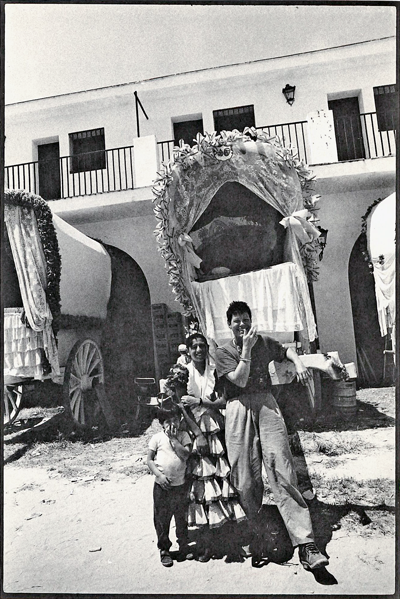
In addition to her photo books, Marrie Bot is also working on a continuing photographic series on people in their everyday setting, under the title Hanging Around. Her photographic projects and books testify to a very intense and honest involvement with aspects of social reality which tend to be overlooked. Marrie Bot’s work exhibits a symbiosis of vision and commitment which will leave few people unmoved. Her work provides vivid proof of the fact that remarkable results can still be achieved in the field of concerned photography.
Both Miserere and The Burden of Existence were privately published by the author, who also wrote the text and designed the books, producing combined projects in which visual and textual elements form an inextricable whole. Marrie Bot’s work, unlike that of many other photographers, cannot be captured in a single representative image. Her photos reinforce each other in the way they interconnect and the text plays an essential supporting role. Through her long-term preoccupation with a single subject, combined with her extremely conscientious approach and professional passion, each of Marrie Bot’s photographic projects deepens our vision of an underexposed aspect of society. Her photographs do not merely document the existing situation but, by virtue of the texts she has written, they present a definite and nuanced view of it.
Marrie Bot has been quietly working for years on subsequent photographic projects. The jury is fully confident that these projects will also achieve new heights of artistry and content. They will give new meaning at a high and professional level to the depth and thereby the development of documentational photography in the Netherlands. This satisfied the second criterion for the award of the prize: the perspective of new developments.

Biography
Marrie Bot was born in 1946 in Bergambacht and began her training as a graphic designer. In 1973 she took evening classes in drawing and photography at the Free Academy in The Hague. She learned documentary photography primarily through practical experience.
Since 1976 Marrie Bot has been principally involved with freelance photography, choosing her own subjects. Her photos stem from a personal involvement with the photographed situations, in which people usually play the main role.
Since the beginning of her career she has concentrated on projects with a socio-cultural theme. These include the book Miserere (1984), on the great centres of pilgrimage in Europe and the forms of penance still current today, and The Burden of Existence (1988), with photos and stories about the mentally-handicapped. For this book she received the Maria Austria prize in 1989.
At the same time she accepted a number of documentary commissions, in which she was given a free choice of subject. These were Allotments in Amsterdam (1977) and Working on Classical Music (1983-84), for the Amsterdam Fund for the Arts; Punk Pop Concerts (1978) for the Rotterdam Municipal Archive, and Music and Ballet Rehearsals (1985), for the Holland Festival.
Marrie Bot completed four large commissions under the 1% art scheme (whereby 1% of the budget for a new building, or one under renovation, is reserved for the purchase of artwork). The first was for the decoration of a training centre in Alkmaar which she completed in collaboration with the pupils in 1978. In 1989 she collaborated with the photographer Pieter Vandermeer on staged colour photo-murals for a nursing home in Rotterdam, and in 1990 with the photographer Hans Aarsman on a project for the new Dirksland regional hospital. She provided the decorative art work for the second part of the building project by herself in 2000.
In September 2004 she will be presenting her new book Timeless Love, with colour photographs of devoted elderly couples. Marrie Bot’s photographs have often been exhibited in galleries and museums at home and abroad. She regularly gives lectures on her work and holds masterclasses at academies of art and the Department of Visual Anthropology at Leiden University.
Works by Marrie Bot are to be found in the collections of the Municipal Museum in Amsterdam, the Print Collection of the University of Leiden, the National Bureau for Graphic Art in The Hague, the Limburg Centre for Photography in Sittard, the Museum for Religious Art in Uden, the Municipal Museum in Toulouse, the Nicéphore Niepce Museum, Châlon sur Saône in France, the Graham Nash Collection in Pasadena, California, USA, the Bibliothèque Nationale in Paris and in various private collections.

Johannes J. van Rood

2020-12-28T14:04:22+01:00

The Dr A.H. Heineken Prize for Medicine 1990 has been awarded to Johannes J. van Rood for his efforts in medical research and more especially for his pioneering work in the field of immunohematology.
Professor Van Rood’s work is characterised by the unique way in which he combines scientific medical research of a very high order with its practical application in health care.
In the field of immunohematology, the discovery and description of the HLA system has been especially significant in the development of transplant medicine. After the discovery of the first, genetically-determined HLA antigen, Van Rood discovered that antibodies against white blood cell antigens could be induced not only by blood transfusions but also during pregnancy. Because of the close relationship between mother and child, the number of different antibodies induced is much smaller and hence more accessible for research purposes than in the case of blood transfusions. This made it possible to carry out a systematic computerised analysis of the specificity of antibodies in relation to tissue antigens determined by the HLA system. This enabled Professor Van Rood and his co-researchers to discover nine different HLA antigens.
In addition to its value for kidney, heart and bone-marrow transplants and blood transfusions, his work has provided new insights into the relation between HLA genotypes and predisposition towards disease. The molecular and immunological basis of this is still being studied, but significant links between susceptibility to disease and HLA types have been identified. 
Besides making extremely important contributions to fundamental and clinically-orientated scientific research, Professor Van Rood has proved himself an excellent organizer. Not only was he instrumental in setting up the Immunohematology Department and Blood Bank in Leiden, but he also provided support in starting over thirty tissue-typing laboratories worldwide.

About the laureate
Johannes J. van Rood was born in 1926 in The Hague. He studied medicine at the University of Leiden and in 1957 became an internist and head of the Immunohematology Department and the Blood Bank of Leiden University Hospital. After receiving his doctorate in 1962 he worked for a year in the Immunology Department of the Public Health Research Institute in New York, before returning to Leiden, where he was appointed Professor of Internal Medicine in 1969. Since 1976 he has been Director of the Hematology Department of Leiden University Hospital. He is one of the founders of the Leiden Institute for Immunology. In 1986 he accepted a guest professorship at the Free University of Brussels. 
In 1967 Professor Van Rood set up the Eurotransplant organisation and in 1985 the European Foundation for Immunogenetics, of which he became chairman. 
Eurotransplant was started by Van Rood in order to promote the optimum exchange of organs and tissue. Eurotransplant has grown into an important organisation which looks for the best possible donors for kidney transplant patients in the Benelux and Germany. 
Professor Van Rood is a member of many international organisations. In 1978 he became a member of the Royal Netherlands Academy of Arts and Sciences. He has received many honours, including eight honorary doctorates, as well as prizes in recognition of his scientific work.
Professor Van Rood passed away in July 2017.

Peter Gay

2020-12-28T13:48:45+01:00

Peter Gay received the Dr A.H. Heineken Prize for Historical Science 1990 for outstanding work in the field of European history. The decision was based on excellent scholarship, but must on the ability to reach a wider audience than that of professional historians only. 
Professor Gay’s oeuvre most emphatically meets these criteria. In his work Professor Gay studies history from a social perspective. He has expressed his view of history in some thirty books, but his most significant publications are undoubtedly his volumes on the Enlightenment and the world of the nineteenth-century bourgeoisie.
The two volumes which appeared in the late 1960s under the general title The Enlightenment: an Interpretation, have become standard works. They are scholarly studies, but are also accessible to a wider public. They are comprehensive and informative. Professor Gay describes the Enlightenment with great admiration for its courage, energy and humanity, although there are certainly also many demonstrable problems and shortcomings. The author’s firm belief in progress and learning is unmistakably clear from this work.
During the 1970s Professor Gay turned to the application of psychoanalysis to historical themes. He wrote a large-scale biography of Freud and two volumes on the world of the nineteenth-century bourgeoisie in the United States and Europe, an undertaking which will be continued in three subsequent volumes. In the two volumes of this ambitious project which have so far appeared, he has been able to present new and invariably interesting information. These books offer an insight into the attitude of the bourgeoisie to sexuality and love which is much more dynamic and attractive than the one previously presented to the general public. In general, the scope, power and elegance which is characteristic of Professor Gay’s work command admiration.

About the laureate
Peter Gay was born in 1923 in Berlin. He emigrated to the United States in 1939 where he obtained his B.A. at the University of Denver, Colorado in 1946. In 1947 he received his M.A. and in 1951 his Ph.D. from Columbia University. From 1962 to 1969 he worked as Professor of History at Columbia University, occupying the William R. Shepherd Chair from 1967 onwards.
Since 1969 he has worked at Yale University, where he was appointed Professor in Comparative and Intellectual European History. In addition, he held the Durfee Chair and the Sterling Chair of History.
Professor Gay is a member of the American Historical Association, the French Historical Society and Phi Beta Kappa. Furthermore he has held a number of major fellowships.
Professor Gay’s many books include studies of the European Enlightment, Voltaire’s political thought, the social democratic revisionism of Bernstein, and the culture of the Weimar Republic.
Professor Gay passed away in May 2015.

James E. Lovelock

2020-04-10T17:12:59+02:00

James E. Lovelock received the Dr A.H. Heineken Prize for Environmental Sciences 1990 for the development of the Gaia hypothesis, in which he has been able to integrate knowledge from different scientific disciplines. In this theory, which represents an outstanding contribution to environmental science, he presents the earth as a living organism, in which there is a unity between animate and inanimate matter.
Professor Lovelock has made valuable contributions in a variety of scientific fields, including chemistry, physics, microbiology and medicine. In addition, he has been able to incorporate these individual disciplines into an integrated approach to scientific problems. The jury views this exceptional combination of specialisation and integration as one of Professor Lovelock’s most interesting qualities. During his scientific career his interest in the Earth and environmental research has become increasingly marked.
Gaia is becoming increasingly central in the study of environmental problems. He endeavours to show the closeness of the relationship between living and non-living processes, how feedback mechanisms can develop through natural selection, and how this has made continuing evolution possible for 3.5 billion years. This makes it clear how genetic processes of adaptation and evolution can lead to an improvement of the environment.
Professor Lovelock considers it wrong to study in isolation the various problems that affect the whole Earth. In his view the Earth must be viewed as a totality in order to understand where the gravest environmental problems occur. More than anyone else, he has been able to influence our thinking about man’s relationship with the environment. The Gaia hypothesis is at present being tested experimentally and the first positive results are beginning to emerge.

About the laureate
James E. Lovelock was born in Letchworth Garden City, UK, in 1919. After studying chemistry at Manchester University he took up a Medical Research Council post at the Institute for Medical Research in London. From 1946 to 1951 he was attached to Harvard Hospital in Salisbury, after which he returned to the Institute for Medical Research in London. He received a doctorate in medicine at the London School of Hygiene and Tropical Medicine in 1948 and in 1959 a D.Sc. in biophysics from London University.
In 1954 he was awarded a Rockefeller Travelling Fellowship in Medicine, which he chose to spend at the Harvard Medical School in Cambridge, Massachusetts. Subsequently, he spent a year at Yale University. He was appointed Professor of Chemistry at Baylor University College of Medicine in Houston, Texas, where he remained until 1964, since when he has headed an independent research institute, although continuing honorary research associations, first at the University of Houston and subsequently at the University of Reading in England.
From 1982 onwards he has been associated with the Marine Biology Association and since 1986 has served as its president.
In 1974 he was elected a Fellow of the Royal Society. He holds honorary degrees from the University of East Anglia, Exeter and Plymouth Polytechnic. He has received various awards for his scientific work.

Paul C. Lauterbur

2020-04-13T15:42:00+02:00

Paul C. Lauterbur received the Dr A.H. Heineken Prize for Medicine 1989 for his invention of MRI (magnetic resonance imaging), a groundbreaking medical technology allowing precise and comprehensive imaging of the human body.
In 1945 Bloch and Purcell discovered the phenomenon of nuclear magnetic resonance: the ability of atomic nuclei to resonate at a particular frequency when they are subjected to a magnetic field. This is the basis of MRI. Various methods of image reconstruction have been invented and many researchers have contributed to the development of the techniques and its applications. Lauterbur’s invention was basic to all subsequent developments. During the years after 1973, rapid development took place. The medical applications could only really take off after very large magnets became available in which a patient could be situated. For sensitivity reasons the magnetic field must be high; most useful ‘whole-body magnets’ are made of superconducting material kept at a temperature of 269 degrees Celsius below zero. Such magnets have only become routinely available in recent years and have caused an explosion in the spread of magnetic resonance imaging equipment for medical purposes.
The importance of magnetic resonance imaging for medical applications is not just a result of the ability to see the distribution of water in tissue. In his 1973 article Dr Lauterbur already envisioned such important applications as discriminating tumours from normal tissue. Not only did he envision the medical applications, he also devoted his further career to the development of the method. At Stony Brook, and later as Director of the Biomedical Magnetic Resonance Laboratory of the University of Illinois at Urbana-Champaign, Dr Lauterbur has contributed substantially to the methods and applications of nuclear magnetic resonance imaging in medicine.

About the laureate
Paul C. Lauterbur was born on May 6, 1929 in Sidney, Ohio, USA. In 1951 he graduated from the Case Institute of Technology, Cleveland, Ohio, and, after working at the Mellon Institute, where he did the first NMR spectroscopy on 13-C and several other nuclei, he obtained his Ph.D. in Chemistry from the University of Pittsburgh in 1962. He then became Associate Professor of Chemistry at the State University of New York at Stony Brook, New York, where his research interests concerned the applications of nuclear magnetic resonance in chemistry, biochemistry and biophysics. During this period he developed the magnetic resonance imaging method, which he called ‘zeugmatography’ and studied its applications to medicine. This contribution has initiated further developments in the application of magnetic resonance imaging in medicine, which became very significant when so-called ‘whole-body magnets’ became available. In 1984 Dr Lauterbur became University Professor at Stony Brook. In 1985 he left Stony Brook to direct the Biomedical Magnetic Resonance Laboratory at the University of Illinois at Urbana-Champaign, Illinois, where he also became professor in the Department of Medical Information Science, College of Medicine, and in the Department of Chemistry. Later appointments include professorships at the Center for Advanced Study, of Biophysics, and of Bio-engineering, all at the University of Illinois at Urbana-Champaign. 
Dr Lauterbur has received nine honorary doctorate degrees: including from the University of Liege (1984), from the Carnegie Mellon University in 1987, and from the Nicolaus Copernicus Medical Academy, Cracow, Poland, in 1988. He is a member of the National Academy of Sciences (USA) and has received numerous awards and prizes, both national and international, among which are the Albert Lasker Clinical Research Award (1984), the Harvey Prize in Science and Technology, Technion, Israel (1986). The Roentgen Medal (1987), The National Medal of Science (1987), and the Fiuggi International Prize (1987). In 2003 he won the Nobel Prize in Physiology or Medicine together with Sir Peter Mansfield.
Lauterbur passed away in March 2007.

Go to Top